Non-metallic metal is a painting technique you've probably seen a fair amount of if you occupy various hobby spaces on the internet - it's the favourite flex for the high-level painter to stunt on everyone. At the very tippy-top of the Hobby tree, you'll see that painters don't really use "actual" metallic paints at all. For example: If you look at Golden Demon entries, entrants of the Kontrast awards, and all the other high-level painting awards, pretty much every metallic element you see will be painted in this way - with ordinary acrylic colours blended to look just like "real" metal. But
why do they do this? What's wrong with Leadbelcher? (Nothing! There's nothing wrong with Leadbelcher.)
The rationale for painting non-metallic metal in miniature painting is thus: If you paint with metallic paints, you (the painter) have no control at all in how those elements reflect the light - all the metallic paint will simply reflect the conditions
outside the miniature, rather than being
internally consistent. This environmental inconsistency is undesirable given that when we paint a miniature, we're aiming to create a sort of sense of place within the piece itself, and thus, we seek to paint metal in an illusory way where we have total control over everything.
If this sounds tricky, that's because it is! Painting non-metallic metal
well and
convincingly is one of the most onerous things a painter can learn to do (I'm not particularly good at it myself), and for things like painting armies, it's incredibly impractical - spending ages carefully painting the metallic parts of each of your space marines, knights, whatever, will drive you up the wall. Compared to the speed of slapping on some metallic paint, washing it with a shade, then highlighting, it doesn't come close. But for
display painting, or for putting a little extra zhuzh into your centrepiece models, NMM is useful to have in your toolbox. In fact, you seldom see actual metallic paints used for pieces entered into the most prestigious competitions (Golden Demon, Kontrast etc).
That's the
what and the
why, what about the
how? Let's start with referencing. Obviously, the best way to make something look metallic is by looking at examples of similar metallic objects in the real world and trying to understand what it is that makes them look metallic, so let's do that now.


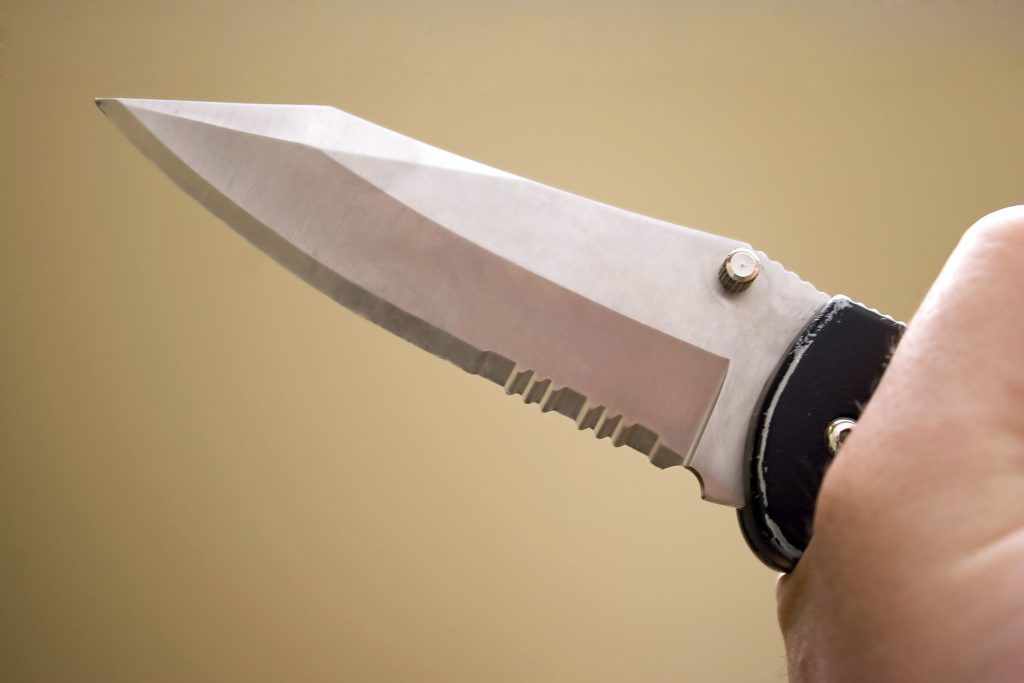
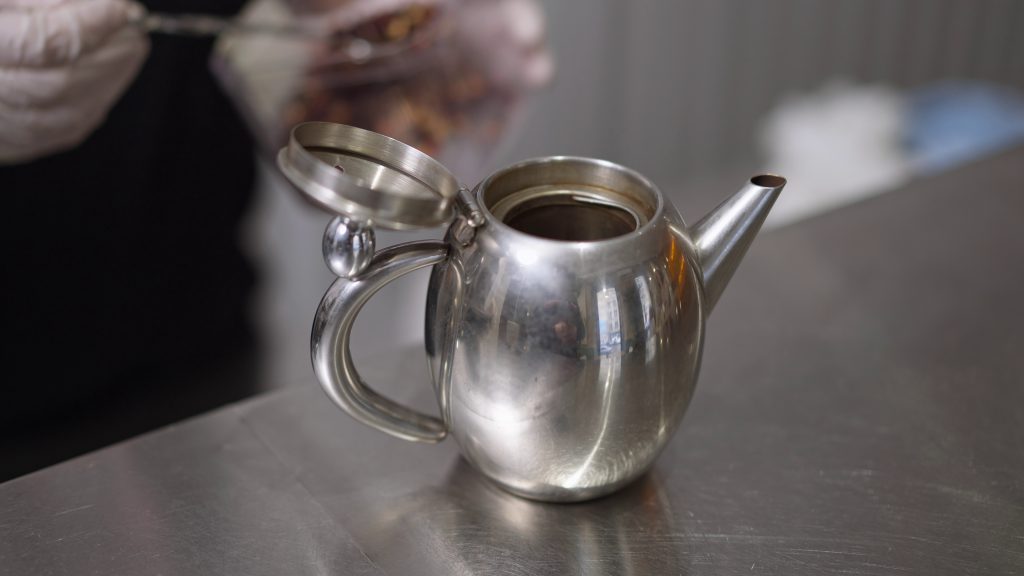
Here are a few example photographs of metal things with various levels of reflectivity. What do you notice about these things? They have quite a lot of
value contrast in them. Wait, back up, what's value, again? Value is the term we use to describe how light or dark something is, from black at one end to white at the other. The
difference between two values is the
value contrast. Why do we specify that the contrast is related to the values? To differentiate between that and the other kind of contrast,
colour contrast (discussed in more depth in
the Colour Theory article of this series). If we look carefully at the pictures above, we can clearly see that the brightest parts are white or very close to it; they reflect the surrounding area quite strongly. This contrast, and managing how it's used and adjusted, is the fundamental foundation on which painting good-looking NMM is built.
How Reflective Is the Surface?
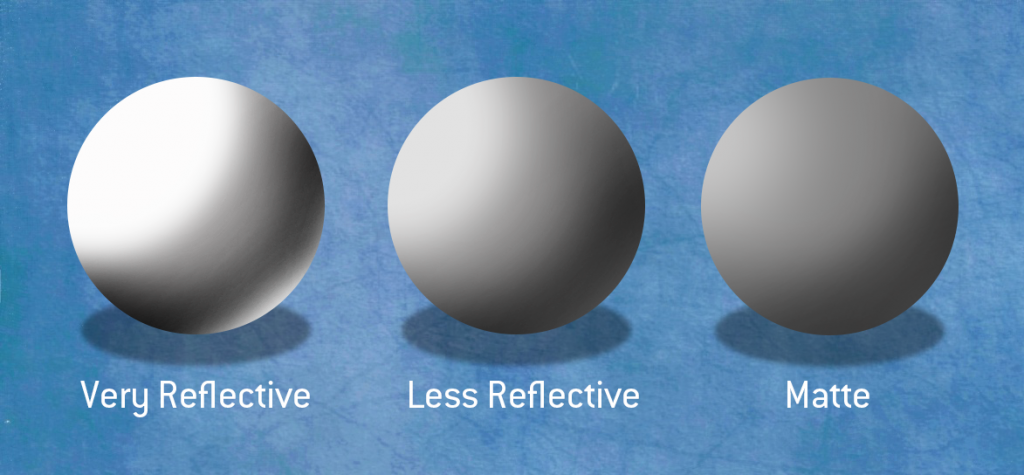
An important consideration when painting non-metallic metal is exactly how reflective you want your surface to be. Something like a polished Chrome surface is extremely reflective, with a mirror-like quality, while something like Mild Steel is a bit duller, and steel that has had its surface abraded with steel wool will look more matte and non-reflective. This appearance is down to the general sharpness of the reflections and the way that light is scattered by the surface - mirror-like surfaces will have sharp, "perfect reflections", as the surface becomes less and less reflective, any reflections will become more and more blurred. The duller the metallic gets, the lower the overall contrast.
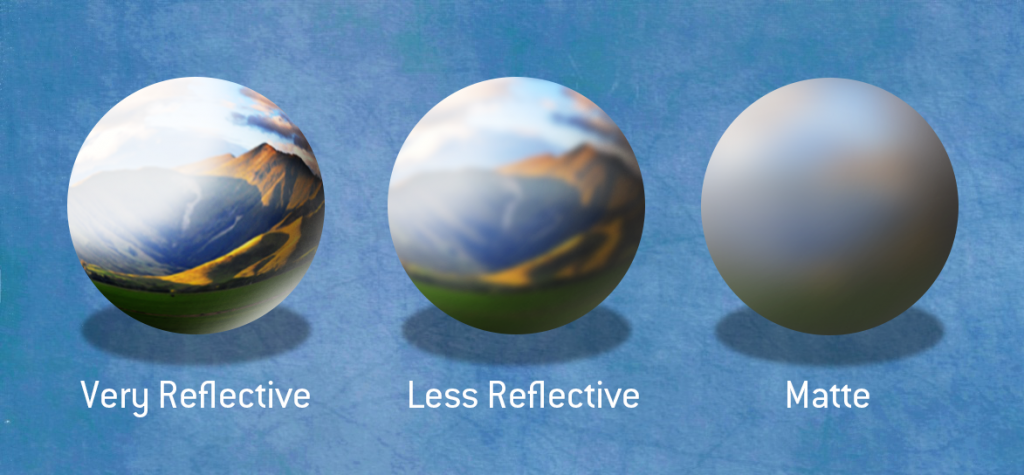
Painting mirror-like details in very reflective surfaces can look very cool, but it's something that's more reserved for very high-level painters and people painting larger-scale figures like busts, so we won't trouble ourselves too much with it today. So why bother talking about reflections at all? The important part here is that the reflectivity directly influences both the contrast and the smoothness of the blending we need to do in order to paint it properly. The fundamental key in making that isn't metal something look as though it is is through contrast, and the shinier it is the more abrupt the transition between the darkest and lightest colour are.

If we look at this Italian portrait from the 16th century, you can see that the armour is very shiny with reflections on the rounded parts, but let's look for a moment at the vambrace.
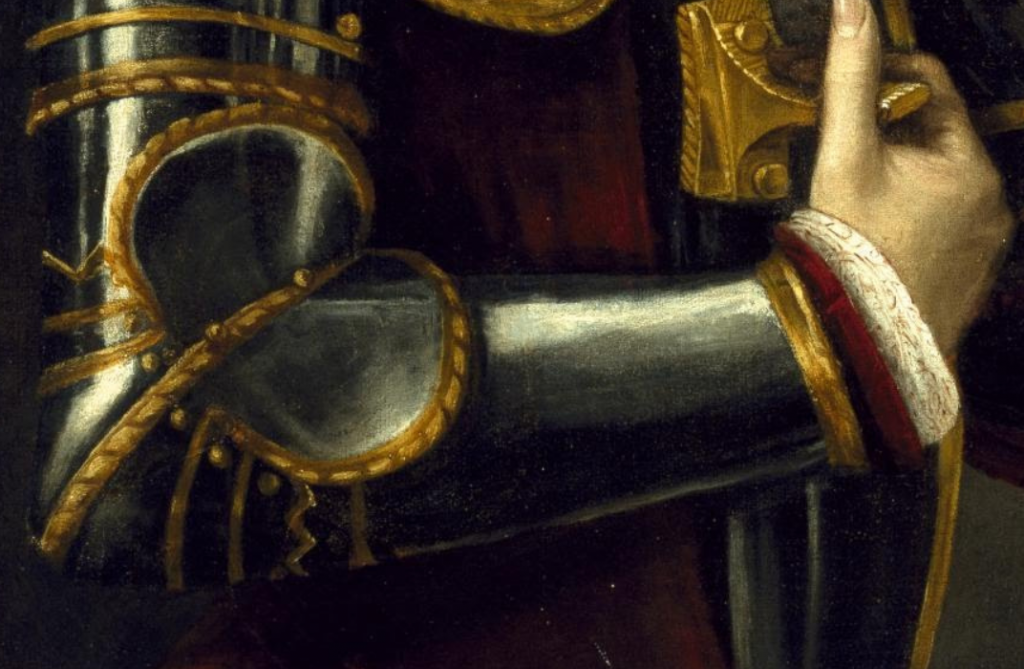
It's not as spectacular as the shoulder armour reflecting all sorts of things this way and that, but it still reads pretty cleanly as "metal". The contrast between the near-black of the downward-facing section and the near-white of the light-catching highlight is both strong and abrupt. There's really only one intermediate grey tone in the middle. The unknown artist sells the effect even further by creating a small reflection of the floor on the downward-facing part, which almost outlines the vambrace against the cloth, pretty neat! The gold on the cuff is pretty much the same, the highlight is placed in a slightly different place because of the way it's "facing" and how the light is striking it, but the method isn't different at all, dark ochre-y yellow with a band of bright yellow in between and some final bright highlights to really sell it. Often, when painting NMM, you'll find that it doesn't "look like metal" until you add that final bright white highlight, and instantly it
does look like metal. The tricky part is persevering with the rest until you get to that point!
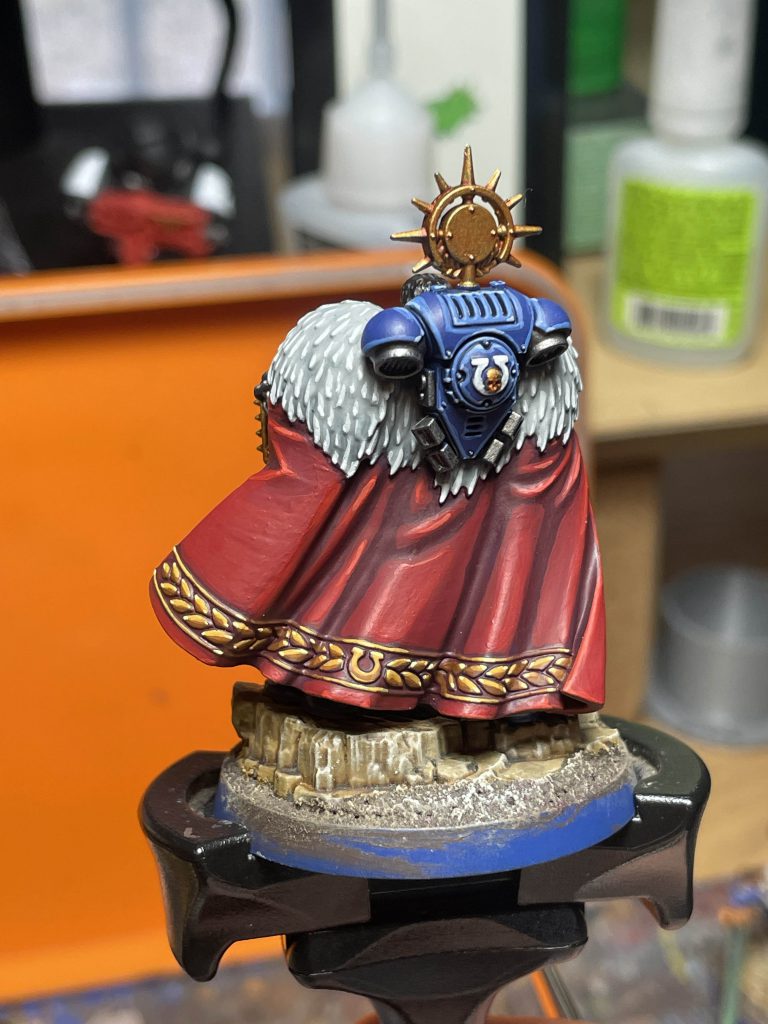 NMM Gold decorations on a Space Marine cape - Credit: SRM
The techniques used for Non-Metallic Metal are mostly used for silver and gold in this particular hobby, but obviously, they can be used for any colour you can think of and can add a ton of visual flair to your piece.
 Credit: Saffron Blaze via Wikimedia Commons
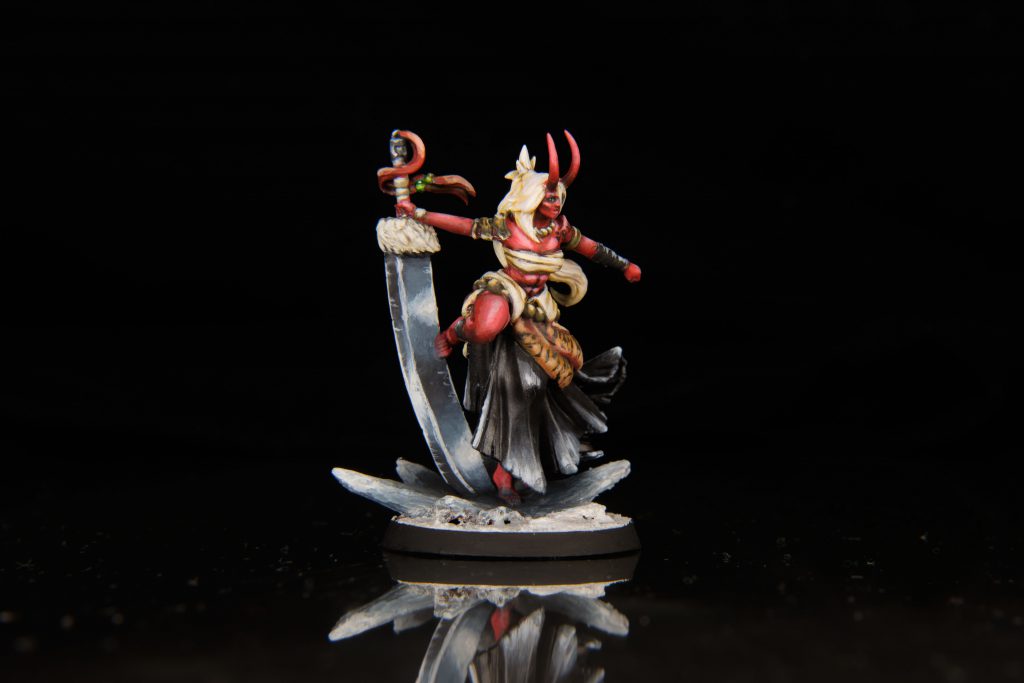
It's easier to start practising NMM on simpler shapes like the crescent-shaped gigantic sword of this Oni. Let's take a closer look, ignoring the spot where the red of the foot has bled onto the blade a little bit, oops!
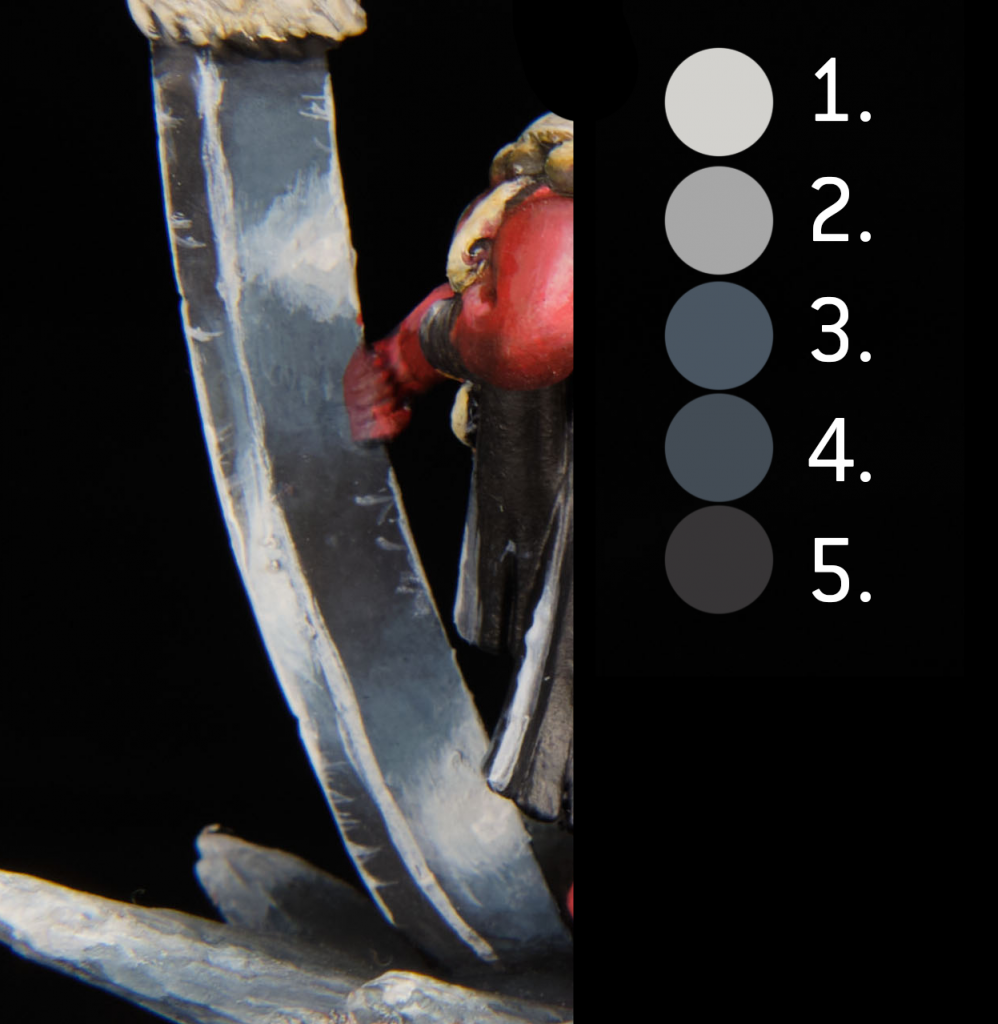
As we can see through using the colour picker in Adobe PhotoShop, there are five different tones visible on the blade, I started working from a base of a dark Payne's Grey colour up to an off-white, it could have been pushed even further with the addition of some pure white. In this instance I only used two paints, the Payne's Grey (e.g AP Fanatic Night Sky) and a white for mixing, all the tones fit perfectly together because they are the same hue, even if the value is different. If you don't fancy mixing, you could also just paint the same sort of thing using one of the Army Painter Flexible Triads; the principle is exactly the same.
Furthermore, you'll notice that the blending on the blade is not perfectly smooth, and is instead rather scratchy, this is quite common in painting Non-Metallic Metal, you don't need to create the illusion of perfectly smooth polished surfaces to give the illusion of metal, perfect smoothness and reflectivity is only for something like chrome.
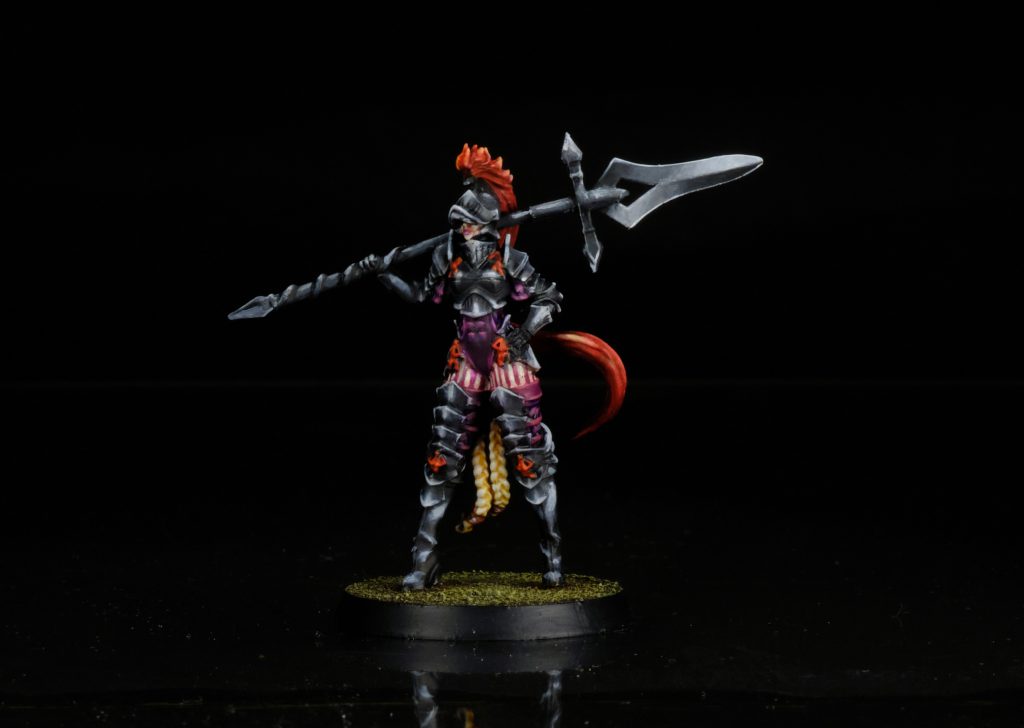
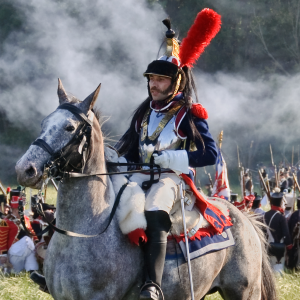
The armour on this dragoon is more complicated than the blade of the oni, but not incomprehensibly so. In this instance, we simply need to break down every element of the armour into a form (section of a cylinder, spheroid, etc.) and then paint each individual element with that principle in mind. I followed pretty much the same method as the sword above, and like the sword, I could probably have taken it even further and sold the effect even morewith some bright white reflections on the sharpest points. Only once all that is done did I go back and
blackline every individual element to make clear deliniations between each of the forms, like the segments on the leg armour, for example.
So that's a primer for you on painting non-metallic metal! If you've any questions, you can find me on the discord as keewa or email me at
keewa@goonhammer.com
For even more NMM technique, check out Eric Beers' article
here.
Have any questions or feedback? Drop us a note in the comments below or email us at contact@goonhammer.com. Want articles like this linked in your inbox every Monday morning? Sign up for our newsletter. And don’t forget that you can support us on Patreon for backer rewards like early video content, Administratum access, an ad-free experience on our website, and subscriber-only content covering competitive Warhammer 40K!Thank you for being a friend.
 This website uses cookies. Learn more.


 Hobby 102: Non-Metallic Metals