Returned but no longer looping in the same moment for what felt like eternity, we are back at it again here in TTRPG ESSENTIALS. Everything is very normal here, and we’re going to absolutely ignore the fact that Reynauld has begun dressing in my clothing and sometimes I see him leaving at night and returning at the break of dawn. Those new wanted posters outside with our picture on it aren’t going to be a problem as long as we stay indoors. After all, that will give us the time to re-examine some recent choices and see if we can get back on track.
Speaking of which…
Hello and welcome back to the sixth entry in a series of articles we’re calling “TTRPG Essentials”, each of which focuses on welcoming you into the robust hobby of tabletop roleplaying games. If you want to read the articles that preceded this one, you can find them
here.
Our previous articles have focused on a multitude of topics; from introducing you into this wonderful TTRPG hobby space, to building a table of players, to various tips and tricks to ease your experience as both player and DM, the manifold forms of roleplay available to you and your table, and the strengths of various lengths of an organized TTRPG experience. Today, we’re going to talk about the work that goes into the wrap-up.
More specifically, this article will focus on the aftercare, social maintenance and awareness that are necessary to ensure the continued health of your table of players. We’ll re-discuss tools previously mentioned in this series and cover new ones that might be useful for both you and your table. After all, the best way to ensure a second campaign happens, is by ensuring your table feels safe, heard, and understood.
Let’s get to it.
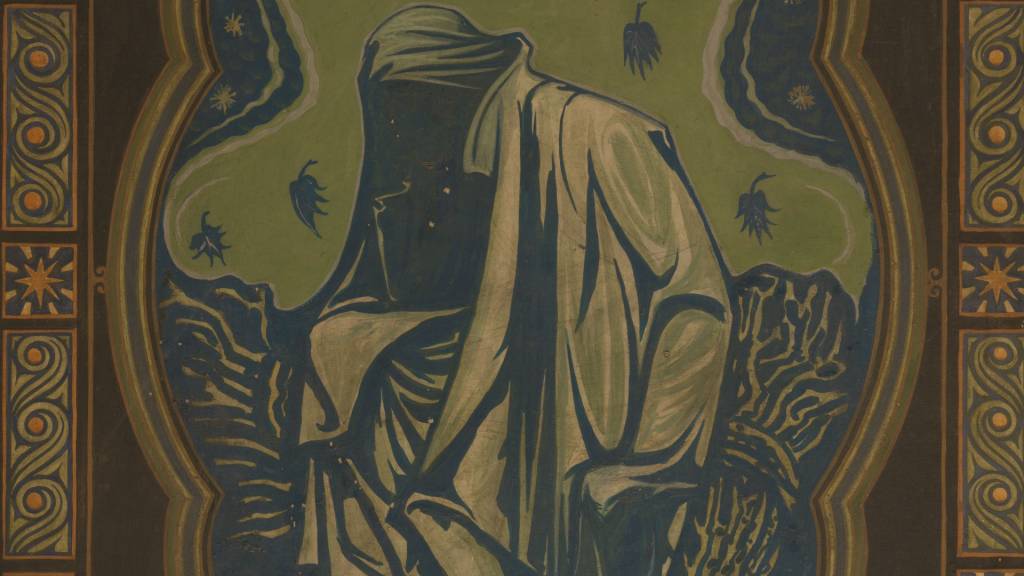 Seriously, how is he wearing it so much better than me!?
That’s a Wrap
So, the final session of your campaign has come to a close. Characters have reached the end of one story and might now stand on the precipice of a new one. Perhaps a world has been saved or even ended. Regardless, as the dust clears… you and your table might find themselves left with a cavalcade of emotions, thoughts, complaints, or even ideas.
Though it comes likely as no great surprise, this is where communication is essential.
Aw geez it’s almost like that’s the through line here.
Whether the night of, or at a later date in person or online, it’s highly advisable that your table be given the space to discuss the previous campaign. As some of your players might be completely new to the TTRPG experience, providing them this platform is beyond necessary to maintaining their sense of agency and fostering further interest in the hobby.
Within this space, your table can discuss what they felt went right, what felt off, what they would like to see in any future campaigns, as well ass what they might prefer to avoid. You can discuss mechanics, roleplay, narrative beats or perhaps even go out of your way to discuss what you all felt were the highlights of the experience.
It’s also possible, that despite the work your table has done, there might be unaddressed interpersonal issues that are brought to the fore.
Learn & Grow
Equally important for the GM/DM of this recently ended campaign, is to remember not to take any critiques to the form, structure, or play experience as personal insult. The GM/DM, just as any player in this hobby, can always learn and improve.
If any player has interpersonal issues that they have been unable to, or felt unable to air until now, that indicates a need to establish better lines of communication in the future, or to work towards maintaining a safer interpersonal environment. Everybody screws up, and while having a screw-up pointed out to you can feel especially personal, it is essential that you do not internalize it as an attack. Guilt is a natural feeling, but the best thing you can do to alleviate it, is to learn from your mistake and move on.
After all, if the player felt safe enough to have this conversation with you in the first place, that means they trust you to learn and grow from the experience. The best thing you can do is to ask the player in question what solutions they believe might ameliorate or avoid future instances of this mistake.
Finally, if this player chooses to discuss these issues privately, it is extremely necessary that you be prepared to implement the necessary changes in a manner that suits their preferred involvement. If they would prefer their complain to remain anonymous, then adapt your implementation to that.
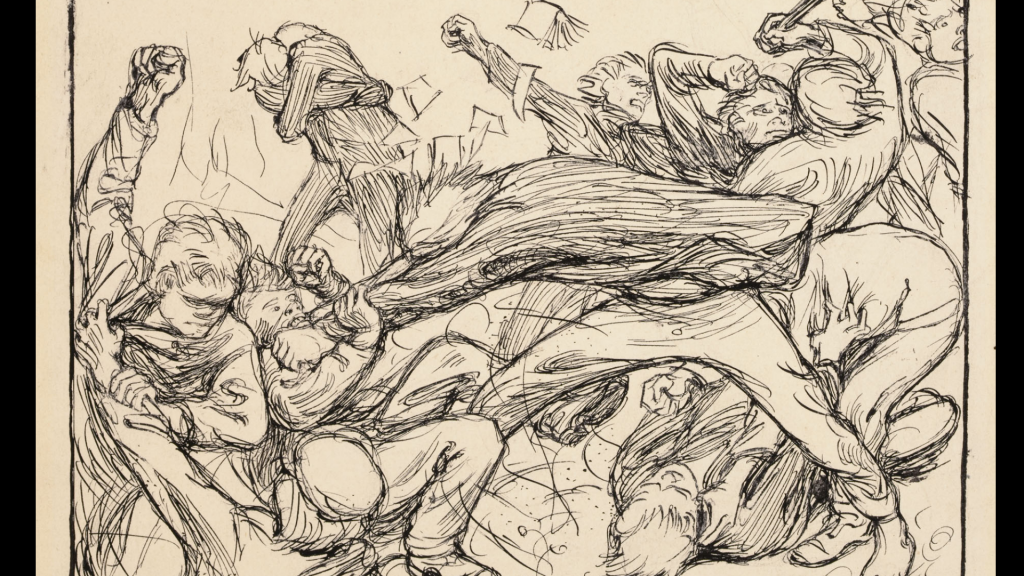 Pictured: Every ttrpg table according to r/ttrpghorrorstories
Social Maintenance
This proposal might feel like it’s coming out of left field, but something to consider at the end of a campaign is the connections you share across the table. Each of you undoubtedly share interests, perhaps even other hobbies in common. It might initially come off as an odd thing to suggest, but its engaging in these shared interests that can really help you to grow closer together as a table. This might mean arranging a few social gatherings on your usual gaming day, just to renew and remember those shared connections. If your first campaign ended on a particularly draining note, whether emotionally, physically (in the case of particularly long final struggles), or mentally, these days spent just sharing space can provide a refreshing breath of fresh air.
Sometimes, this can be especially useful in giving your table a chance to ruminate on their feelings regarding the last campaign, as its likely some people might need time to find their voice.
Another bonus of these non-TTRPG nights is that it can *also* give your table a chance to find inspiration in whatever you choose to engage with instead. Ideas don't come from nowhere, after all, and sometimes all it can take is the right movie before your table decides they want to switch genres, or perhaps even whole systems.
Campaign Analysis & System Post-Mortem
When your table finally feels comfortable or talkative enough to discuss the campaign at length (or perhaps piecemeal, depending on their comfort levels as previously discussed), one of the most essential things is for everyone involved in the discussion to remember to delineate critiques and compliments based on where they live; Campaign or System.
Campaign Analyses are the typically tied to the experiential gameplay of the narrative; a.k.a. what happened in the story of the campaign, and how it made you feel. By way of example, the characterization of a particular NPC, the unforeseen results of a difficult choice a character needed to make, and the stakes that drove the characters of the campaign forward all live within the Campaign. The difficulty involved with the understanding and implementation of a specific mechanic however, or the joy you experienced from the tactical positioning you got a chance to engage with in combat, would both live in the System.
System Post-Mortem thoughts are entirely focused upon the mechanical frictions experienced by everyone at the table. When a GM finds it difficult to design combat encounters due to what they feel is a nebulous difficulty structure, when players enjoy the friction of contextualizing their characters actions by way of a list of moves (each of which have their own unique strengths and weaknesses), or when your table generally struggled to implement a supposedly key mechanic in your gameplay, these are all parts of a System Post-Mortem.
Now, obviously no table has to formerly delineate these two types of analysis and conversation, but it is extremely important to at least understand the difference between the two. Your first campaign is always going to be your worst, even if it was great. As the hobby is iterative though, understanding and identifying strengths and weaknesses will help the entire table, regardless of your role. System joys or woes are the sort that have to addressed in a different, though no less iterative manner.
Let’s go through a few common stumbling blocks and critiques of a first campaign, and address some ways to understand, internalize, and learn from them.
"It didn't feel like we had enough of an effect on the story"
Agency is one of the most important things to consider in this hobby, and when designing your first campaign, there can be considerable pressure to plan and arrange for everything. Whether this means exhaustive notes, utilizing pre-written modules, or something else, sometimes this can have the opposite effect of what was intended. The easiest solution, as terrifying as it might be to a new GM, is to learn to embrace the same sort of improvisational relationship to the narrative that your players have been expected to operate under. AFter all, they have spent the entire duration of your campaign reacting to your decisions, why wouldn't you do the same? Obviously, this doesn't have to mean tossing away pre-planning and note-taking away wholecloth, but embracing a more reactive narrative can go far further in expanding your narrative than you might have ever expected.
"So what was the meaning behind..."
If your table has remaining questions about the narrative itself, that's usually the result of two different angles. Firstly, maybe you dropped a plot thread somewhere, in which case don't worry about it. Few campaigns survive with every thread intact. Secondly, perhaps your table just wants to know more about the setting or narrative that their characters themselves never got a chance to learn. In either case, there's no need to maintain any sort of secrecy about any honest mistakes, missteps, or narrative secrets (unless of course, the intent is for your second campaign to be a follow-up to your first. Even then though, don't be afraid to give the players something to reward their interest and investment).
"I feel like my character never got a chance to shine."
If a player feels like their character never got enough of a spotlight, it isn't the responsibility of anyone at the table to prove them wrong. This is becvause regardless of how much actual time their character got, the feeling that the player is expressing in this moment is more important. As a result, the best thing your table can do is to ask further questions. After all, a fully collaborative storytelling experience is what all of you agreed to by dint of choosing this hobby. If one of you feels shortchanged, it's the entire table's responsibility to not only understand why, but also to work together to figure out how to avoid further instances. Some suggested solutions can be encouraging established character relationships/history during character creation, and prioritizing future narrative focus on the character information provided by your players at character creation.
"There was too much Combat/Roleplay/Investigation/etcetera"
Okay, this one's easy. It's extremely likely that not all players will share an identical idea of the perfect session. The most important thing is to use this comment as an opportunity to poll the table, to gain a better understanding of the sort of gameplay your players would most enjoy in a future campaign. This can easily dovetail into a dialogue about the system you chose to use for your first campaign, as well as what you should look for when it comes to picking a system for your second campaign.
"I felt like the camapign could have been more epic, like Critical Role/Any Actual Play Troupe."
This comment is definitely more common in the space than ever before, and there is a vocal contingent of TTRPG players that bemoan it to no end. Sometimes referred to as the "Mercer effect," some members of the TTRPG community interpret comments that compare their campaigns to that of professional performers to be entirely adversarial. Luckily, it isn't.
AP or "Actual Play" is a growing entry point into the TTRPG hobby, and its easy to see why. Whole casts of professional comedians, performers, or voice actors putting on shows that highlight the strengths of a hobby that prioritizes collaborative storytelling. The stories they tell can be gripping, hilarious, etc, because again, they are all professional performers putting on a performance. You and your table are likely not, and this isn't a bad thing.
In fact, one of the best parts of this comment is that like the comment above it, it gives your table an opportunity to effectively wish list qualities that they want more of at your table. Maybe they all want to paint their own character miniatures. Maybe they want to prioritize character relationships and interpersonal drama, maybe they want a more visceral, and involved roleplay experience. Hell, maybe they want to feel more like the heroes. Either way, this comment gave you the opportunity to find out, and that's wonderful.
System Overhaul
Okay, but what if the lion’s share of difficulties or wants live within the system? What do you do? Well, you have again a number of options. A tried-and-true option is that of the humble house rule, wherein your table agrees to implement one or several modifications to the rules as written, and you continue on with the same system. This can completely work, but not every table is filled with the sort of people that want to game design, and at its core, that is what designing house rules are. After all, all TTRPGs are designed with intent, and sometimes changing one rule might have farther reaching mechanical implications than you initially considered. In other words, sometimes one house rule ends up needing five more to work as intended.
The other option is to look elsewhere, with your search guided by the interests of your table. There is a truly staggering and near inexhaustible supply of great TTRPGs out there for your table to try, after all, and each is focused on capturing a new experience or perspective. This means that your second system can be something wildly different from your first, and better play to the strengths and interests of your table due to your newfound mutual understanding and identification of them.
There are games designed to give you a far wider roleplay experience, basing their gameplay within an immersive and reactive sandbox.
There are games that reverse the D&D divide, and place their mechanical focus upon the deep and involved conflict that can be found in interpersonal relationships as opposed to combat.
There are systems that offer modular combat systems that feel like they stepped directly out of a wargame, and which provide you far more options to engage with strategy as well as cooperative innovation within the combat space.
There are systems that are focused upon providing you with a razor sharp and deeply visceral experience, the kinds of experiences that might twist your guts or make you burst out loud laughing, sometimes at the same time.
There are so many different types of TTRPGs, and it behooves you to at least explore your options.
Final Thoughts
No matter what, your first campaign undoubtedly taught your table a wealth of new skills, helped them better understand their own interests, and allowed the lot of you to collaboratively tell a unique and original story, no matter the module or free-associative world you may have based it within. Your characters and your choices all made the story and the experience what it was, and you all have the wonderful opportunity to do it again, even better than the first time. All it takes is a little bit of conversation, remembering why it is that you chose to share a table with each other, and being fearless enough to embrace and explore change. Speaking of which…
UP NEXT: Picking Your Second System
Have any questions or feedback? Drop us a note in the comments below or email us at contact@goonhammer.com. Want articles like this linked in your inbox every Monday morning? Sign up for our newsletter. And don't forget that you can support us on Patreon for backer rewards like early video content, Administratum access, an ad-free experience on our website and more.Thank you for being a friend.
 This website uses cookies. Learn more.


 Goonhammer App and Patron Updates: April, 2026
 Kill Team Tournament Report: Engage, Party, Repeat's March Madness 2026
 Goonhammer Reviews: Tribal Conquest