G'day Goonhammer readers. We're back once again with another preview of Kings of War fourth edition, and this time we’re looking at magic. We’ve already provided sneak peaks at the Nightstalkers and Orcs, both of which look set to be in a good place in fourth edition. Now we’re onto Magic in Kings of War, including how it works and what’s changed. Thanks again to Mantic for providing the preview material, it’s always fun getting a look at what’s coming ahead and sharing it.
How Does Magic Work?
For people unfamiliar with Kings of War or who are now returning with the upcoming release of fourth edition, magic is very simple. Some Spellcasters have spells baked into their unit profile, while others have a choice of spells not only from within their profile but a bespoke list of spells available to armies known as the Arcane Library. To cast a spell, you roll the number of dice indicated in the spell n value, and you’re looking for a 4+. There are modifiers and exceptions, but that's the gist.
No more Bane Chant rerolls for the Abyssal Warlock. Credit: Cytplasm.
In Kings of War, you’re generally looking at small iterative effects (not to say these aren’t impactful).Bane Chant still gives a unit Crushing Strength (+1), essentially plus one to wound. This is very powerful, especially in a game where there are not many modifiers like that. But a single spell is not going to win or lose the game for you. There’s no destroying a horde of infantry with a single spell here!
All the spells of third edition are here in fourth, and selecting and casting spells hasn’t changed, so what has?
Take Cover From Magic Missiles
The biggest change to magic is the introduction of the Magic Missile classification to some spells. This is similar to the CC (Combat Casting) or Friendly classifications. Magic Missile means the spell is subject to ranged attack modifiers. While we have not read the Cover rules for fourth edition, this is likely to include cover from intervening models, terrain, as well as the Stealthy special rule. That might seem like a lot of negatives to Magic Missile, but these spells also benefit from the +1 to hit when standing still.
Never leave home without at least one Mindscreech. Credit: Urr
This is quite different from the table of spells that indicated which spells did and did not get modified by things like Cover and Stealthy. In the old third edition, Fireball was affected by Cover and Stealthy, while Lightning Bolt was impacted only by Cover, and Blizzard wasn’t affected by anything. How this exactly affects the subjective value of each spell remains to be seen, but at least it makes offensive spells that come under Magic Missile status more in line with other ranged attacks.
The biggest winner from the introduction of Magic Missile are Stealthy units, particularly the Nightstalkers. Lightning Bolt was a common counter to the hard-to-hit Stealthy units. It completely ignored the rule previously in third edition Kings of War, but that weakness has been sealed up.
Of all the Magic Missile spells, the one that has changed the most is Fireball. It still has 12” range but now is enhanced with Blast (D3) along with Shattering (1). So while units that can use Fireball all have gone down in the number of dice they use, there is the potential to spike big, as anyone who plays Goblins knows. To put it into perspective, the Orcs Godspeaker can use Fireball (4), which on average will result in 4 hits, but could be as high as 12. But then with the Power of the Horde special rule, the Godspeaker can get up to Fireball (7) if surrounded by Orcs, which is even more likely if the Godspeaker was standing still that turn. That’s a lot of potential hits!
New Edition, Same Spells (Mostly)
The majority of spells have not changed with the new edition, which is both good and bad. It’s one less thing to learn, but there were certainly some spells that just were not used. Spells like Wither and Perish and Blizzard were typically too expensive when compared to their cheaper Weakness and Lightning Bolt counterparts. Others like Bloodboil and Martyr’s Prayer were just not used at all.
Grupp Longnail of the Goblins now has spells to cast! Credit: Cytoplasm
Of the changes that did occur, they are subtle. Hex for instance no longer prevents the casting of spells after moving, although the damaging aspect remains. Mind Fog packs a bit more punch with Shattering (D3), which is just as well given the changes to shooting in fourth edition.
Some spells didn’t change, but their usefulness has increased thanks to the overall changes of fourth edition. Scorched Earth strips a unit of Strider and Pathfinder, but the fact it imposes Hindered is now very powerful as it completely removes all Thunderous Charge. Veil of Shadows, too, is more useful now that Stealthy affects Magic Missile spells as well as non-magical ranged attacks.
How Factions Change Up Magic
The most exciting changes to magic are not found in the magic section itself, but in the army lists. We are getting to see some more unique options in lists that add their own touch of character and flavour.
Just looking at our previews, Esenyshra maintains her unique ability to Enthrall targets into combat with her. The Banshee can double cast her Enthrall or Windblast, and they can still roll for damage.
Even the Orcs have their magical glow up, with the Stormforged Shrine getting its new Chain Lightning rule, bouncing Lightning Bolts into a second unit. The other casters of the Orcs also get something to make their magic a little different. As mentioned above, the Godspeaker retains the ability to increase his spellcasting dice with Orcs around, not just for Fireball (4), but for Bane Chant (2), Drain Life (4), Heal (2), and Hex (2). The Stormcaller, in comparison to the Godspeaker, was always the neglected Orc caster in the Riftforged Orcs. While he still isn’t as exciting, he does have the Bloodfreeze special rule that gives his Lightning Bolt (6) the Frostbite special rule.
More of these kinds of subtle differences in Spellcasters between the armies helps add flavour. When the fundamental spells are the same across factions, it's good to have a little bit of spice to change things up.
More Books With More Spells
The word on the street is that each of the new expansion books that feature four factions of Kings of War will introduce new spells unique to those armies. Considering none of the spells are missing from the spell list, this means we are getting some entirely new spells for the first time since 2022.
The first book, Invasion, features the Xirkaali Empire, the Trident Realm of Neritica, the Halflings and the Salamanders. How many spells will each faction get? What kind of magical effects can be introduced? None of this has been teased thus far among the various podcasts and Mantic blog posts, so your guess is as good as ours!
Have any questions or feedback? Drop us a note in the comments below or email us at contact@goonhammer.com. Want articles like this linked in your inbox every Monday morning? Sign up for our newsletter. And don't forget that you can support us on Patreon for backer rewards like early video content, Administratum access, an ad-free experience on our website and more.
 This website uses cookies. Learn more.

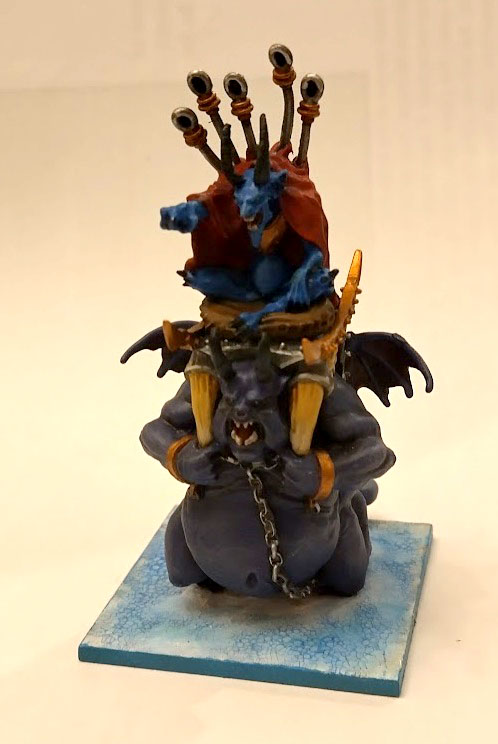 No more Bane Chant rerolls for the Abyssal Warlock. Credit: Cytplasm.
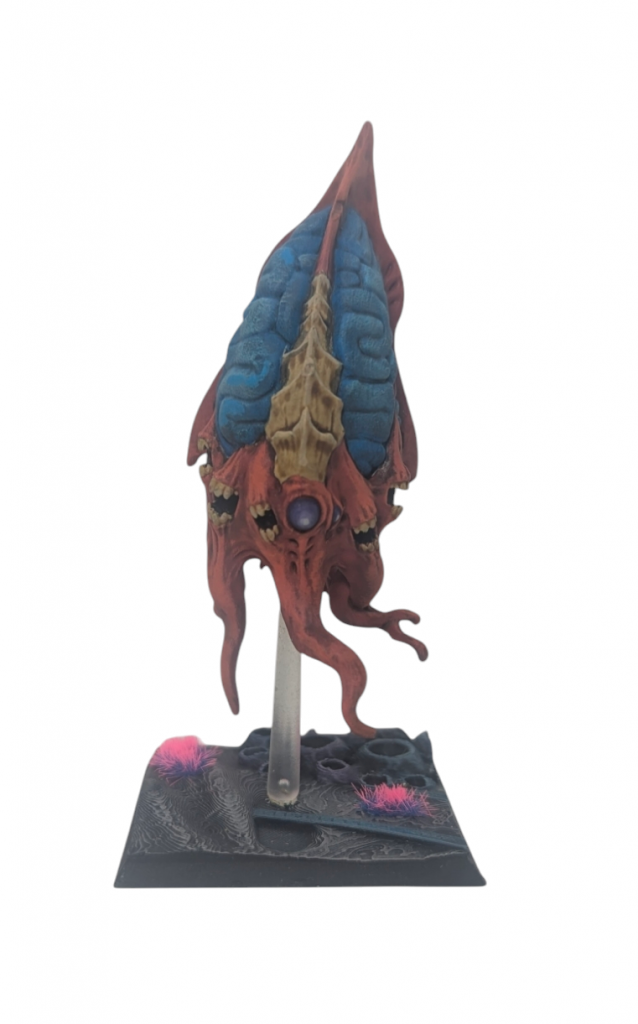 Never leave home without at least one Mindscreech. Credit: Urr
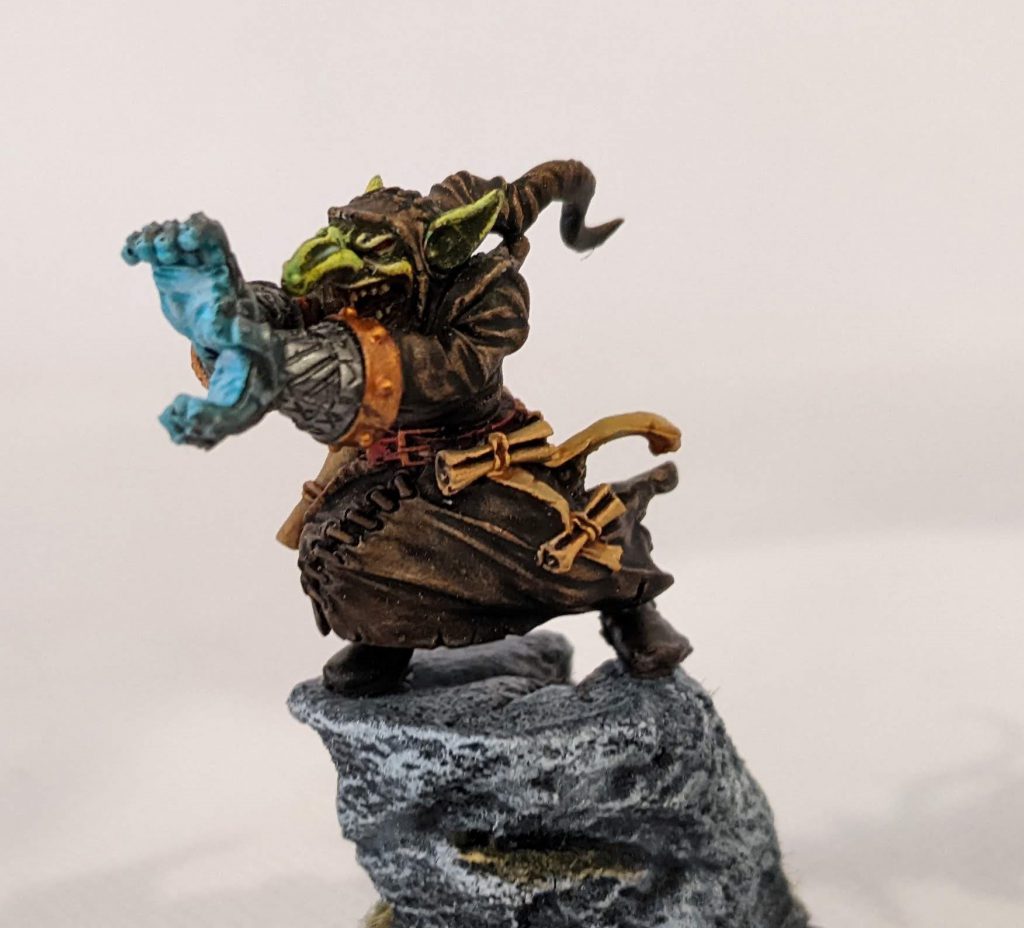 Grupp Longnail of the Goblins now has spells to cast! Credit: Cytoplasm

 Goonhammer App and Patron Updates: April, 2026
 Kill Team Tournament Report: Engage, Party, Repeat's March Madness 2026
 Goonhammer Reviews: Tribal Conquest