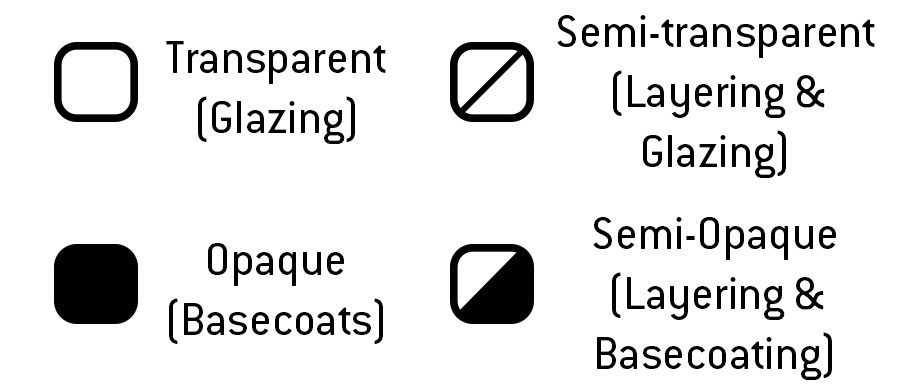
So a glaze is a very thin layer of transparent paint, but what does that mean? Well, this is a great opportunity for me to have a little gab about paint opacity. If you ever shop in a proper art shop for paints, you will almost certainly see one of these little fellows on the label of whatever paint it is you're interested in purchasing, sometimes with a key as to what it means, but more often not, just a little square either filled in, empty, or half filled. This symbol indicates the Opacity of the paint, that is to say, how much light it lets through to the layers underneath (how opaque it is).
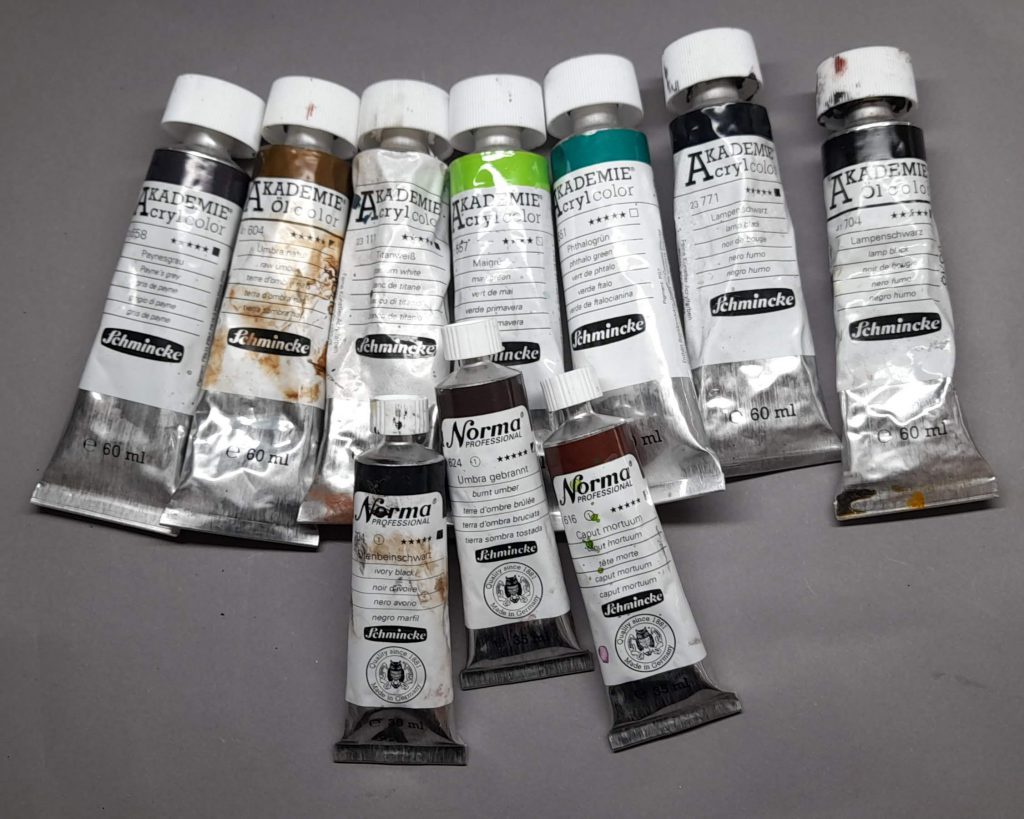 A bunch of artist paints I have lying around my desk
Now, miniature paints almost never have these symbols on them (and honestly, I wish they would), instead often using descriptive language in their marketing to attempt to explain how opaque their paints are. An example: Citadel separates paints into several categories at the point of sale, so if you buy, say, a pot of Bugman's Glow base paint, you can be fairly confident that it'll cover reasonably well.
On the other end of the scale are watercolours (not relevant for us, but they are) artists inks, certain colours of normal acrylic (magenta and yellow are often pretty transparent, for example) or the more recent deluge of transparent paints designed to go over a white or off-white basecoat (AP Speedpaint, Citadel Contrast, Vallejo Xpress Colour et cetera), these paints do vary somewhat, but almost all of them allow most of the light through to the layer underneath. Citadel used to sell some very highly-regarded Glaze-specific paints, but they stopped, presumably in order to eliminate confusion with the Contrast line. A thin layer of these paints on a flat surface will (sometimes drastically) alter the
hue and
chroma, while leaving the value largely unchanged.
It wouldn't be a keewa Hobby 102 article without some handy-dandy homemade diagrams, so let's have a look at some
Why Glaze?
Glazing is simply applying this theory into practise. In a miniature-painting application, glazing is great for several things:
- Adding interesting shadows and depth to models, since most glazes tend to be on the darker side, you can use them to softly shade the undersides of volumes and achieve nice smooth results.
- Smoothly blending from one colour to another, since the undercoat largely stays visible, and the layers are so transparent, you can build up a very fine gradient
- Changing the hue of paint you've already put down, say you've painted a cloak in a bright blue colour, but you've changed your mind and would rather it was turquoise, you can glaze carefully with a green or turquoise ink to shift the hue towards your desired result.
- Painting over a monochrome underpainting (En Grisaille/Slapchop), since the paints are transparent, all the highlights and shadows will show through, you're effectively adjusting the hue and chroma, after all.
Glazing is no good whatsoever for:
- Painting over black, no matter how much you glaze either the black is going to show through, or you'll put down so many layers of paint that by the time you get it where you want it, you'll have applied so many layers that the detail is filled in and smushed.
How to Glaze?
Glazing involves thinning your paint until it's transparent, loading up your brush, and wicking off the excess onto a cloth or paper towel or whatever. It's important to do this because otherwise you might flood your model and make some ugly tide-marks and dark spots. Then paint the glaze smoothly onto the surface, moving from the place where you want the least paint to settle to the area where you want the most. Then all you do is let it dry and go again, in a smaller area this time, it's like... layering, but with transparent paint.
 This website uses cookies. Learn more.

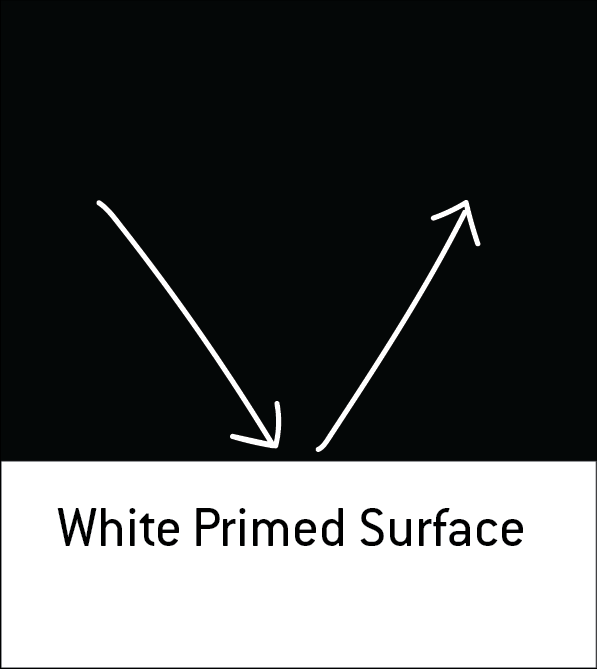 Fig. 1
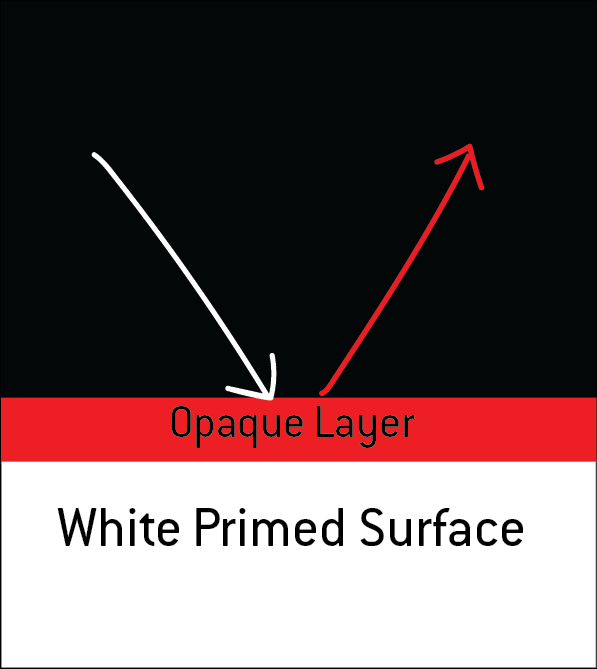 Fig. 2
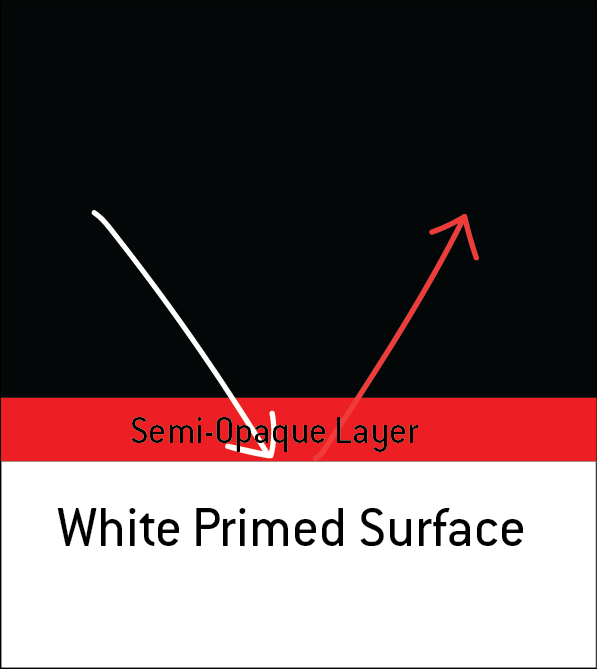 Fig. 3
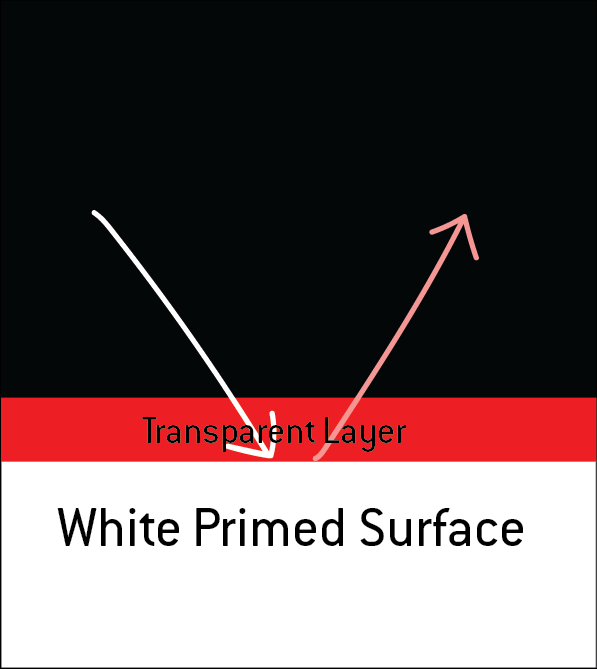 Fig. 4
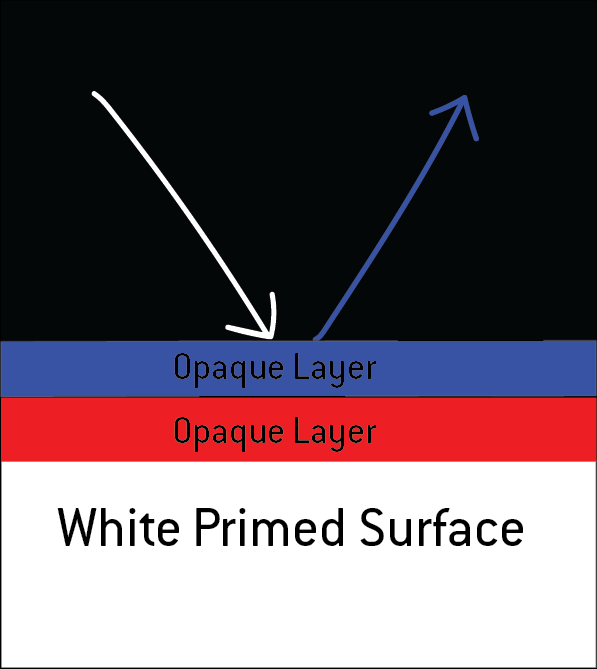 Fig. 5
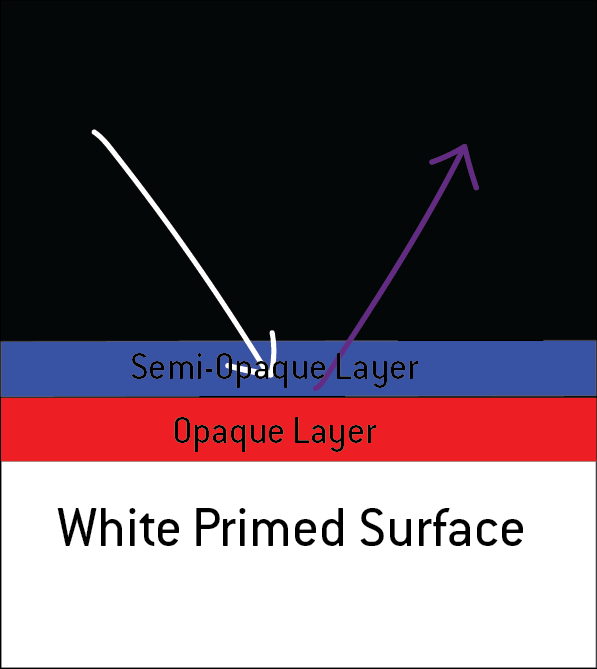 Fig.6
Fig.6
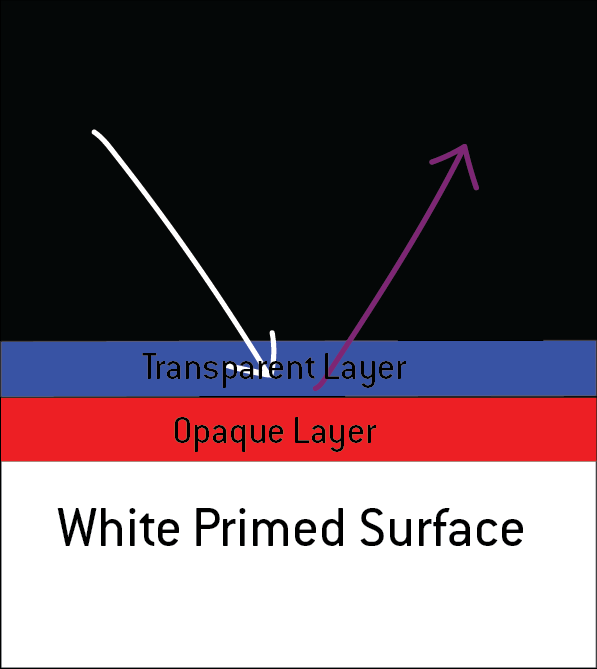 Fig. 7

 Goonhammer App and Patron Updates: April, 2026
 Kill Team Tournament Report: Engage, Party, Repeat's March Madness 2026
 Goonhammer Reviews: Tribal Conquest