The Trench Crusade 1.0 rules are here! This marks the official release of the game and a full rewrite of the core rules. If you’ve been playing with the beta rules, this will all look familiar, very little has substantially changed, but there are some key changes that we’ll be pointing out along the way. In addition to reviewing the rules themselves, we've taken an in-depth look at the factions comprising both the armies of the faithful and the armies of the fallen in their own articles.
We'd like to thank Factory Fortress, Inc., for providing us with a review copy of these rules.
The Rules
If you played 1.6.3 this ruleset is largely the same barring some changes here and there. The biggest thing is the ruleset is now written much more consistently and tighter. A few loopholes here and there have been filled and the ruleset overall just feels a lot more intuitive.
Core vs. Comprehensive
One of the biggest changes in this document is the addition of “Core” and “Comprehensive” rules. The Core rules are the basics and essentials of what you need to start playing the game; meanwhile, the Comprehensive rules are where you go when you need the exact definition of how something works. To give an example, charging is a bullet point in the Core rules, but gets its own dedicated page in the comprehensive rules. This is fantastic for getting new people into the game while also giving veterans the depth they need to resolve edge cases.
In the Comprehensive rules we have bespoke definitions for things like Line of Sight, re-rolling, and model placement. These may seem intuitive and unnecessary, but defining this stuff out helps clear up all the weird things that can pop up in the heat of a game when different rules clash.
Actions and Success Rolls
Knights of Avarice Priest, Credit - Loxi
At its core, Trench Crusade functions on models doing Actions. Things like moving, shooting, fighting, and special stuff specific to your guys are all done by using Actions. You can use any Actions that are available to you in any order you wish, but you can only ever use each one a single time. Most Actions require a Success Roll, a 2d6 roll that always aims to beat a 7. It doesn’t matter if you’re dashing to get extra movement or trying to beat someone to death with a shovel, a 7+ is always your goal. The only extra wrinkle is on a 12 you crit, which some Actions care about.
Sometimes an Action will tell you to make a “Risky Success Roll,” which is functionally the same, but if you fail it your activation ends. The most prominent example of this is the Dash action, which allows you to move a distance equal to your movement characteristic. This can be combined with standard movement, allowing you to dash and charge in the same turn or dash, shoot, then move to safety.
There’s nothing in the game that adds flat values to your roll; instead, the game has a concept of +/- Dice. If you have + Dice to any roll, you roll that many more D6s and take the 2 highest, whereas if you have any - Dice you take the lowest. This is a relatively simple system but it makes for some very interesting choices in play.
The Injury Table and Blood Markers
The only other table in the game is the Injury Table. This is unchanged from 1.6.3, where a 2-6 is a blood marker, a 7-8 “Downs” the model, and 9-12 takes them out of action. Notably there is a small change on how Blood Markers function, mostly just codifying how they work. If a model suffers a wound, it now results in a Blood Marker being placed next to them. This mostly just provides a clear line of action of how Blood Markers work, which is great for tightening up other things that interact with them.
So what’s a Blood Marker? Your opponent can elect to Spend a Blood Marker any time a model with one or more of them next to them does an Action. For every marker spent they add a -1 Dice to the roll. In addition, Blood Markers can also be used by your opponent when they attack. They can either spend 1 to add +1 Injury Dice to the roll for each Blood Marker spent or spend 6 (or 3 if the opponent’s model is downed) to “Bloodbath” which allows you to roll 3d6 and add them all together. This mechanic is how you bust through your opponent’s armor.
If you haven’t played Trench Crusade yet, this may sound a bit too random. There is absolutely always the possibility of your really important model just eating dirt from a random pistol shot, but the game does a great job with armor and +/- dice to make your tough guys feel tough and your bozos feel expendable.
Morale Phase
At the end of each turn, you check to see if half or more of your models are out of action, if they are you need to start making morale rolls! The morale roll uses the standard Success Roll rule, and on a failure your warband is Shaken until the end of the next turn. If a warband is Shaken, all Success Rolls they perform are considered Risky. If you fail another morale test while your warband is Shaken, you immediately lose the game.
This is one of the major changes from 1.6.3, where the Shaken rule was both optional and you could only become Shaken once. Games could be lost right before a pivotal important turn on a simple die roll which almost always felt a bit anti-climactic. Now, you have a full turn of warning before you lose due to Morale, and if your warband can rally you can stay in the game. Most of my games of Trench Crusade ended due to Morale back in 1.6.3; now I think we’ll see a lot of games end naturally.
Terrain
There are many different kinds of Terrain in Trench Crusade. Open Terrain has no special rules, where things like Dangerous Terrain and Difficult Terrain can harm your models or impede your movement. You want a ton of Terrain in Trench Crusade, and this might be one of its biggest drawbacks as a pick up and play game. That said, the book has some great examples of some ad hoc set ups.
Speaking of set ups, there are now Terrain archetypes. Each of these aim to represent a different kind of battlefield. If you’re playing in an abandoned town, the requirements are different than if you were playing in a trench network, for example. This is a great system as it allows designers to give more guidance for how they envision each scenario to be played. That said it, further increases the Terrain requirements on just running a campaign with your bud. If you’re grabbing ad hoc pieces, setting up the table might take up more time than actually playing.
Notable Changes
While there are a bunch of changes just due to the standardization of verbiage in the rules, there are a few changes from 1.6.3 that we figured we should list out here as they’ll significantly change the way you play.
Charges: You can no longer charge models that are outside Line of Sight. This means you can now stage melee threats in mid field more safely and will need to Dash more often to get a bead on your target. You can also no longer charge multiple models at once. Instead you charge a single target, and if you have extra movement you can maneuver to be within 1” of another enemy model so long as you stay within base to base contact of the target of the charge
Dangerous Terrain: You now roll a Risky Success Roll any time you move through Dangerous Terrain. This makes even starting your turn in there that much more, well, dangerous.
Downed Models: You only get +1 Injury Dice against downed models in melee.
Flying: You are no longer immune to mines and traps if you have Fly, just Dangerous Terrain.
Two-Weapon Fighting: You now get extra attacks as part of the same Melee Attack Action instead of two different Actions. This means if something says it allows a second Melee Attack Action, you would get two attacks (looking at you, the Great Hunger).
Suggested One-Off Game Size: The suggested One-Off game size is now 800 Ducats and 6 Glory. In light of this change, we suggest moving to 3x3 tables instead of 4x4 ones if you weren’t already playing on them.
Melee Weapons: You can no longer fight without a melee weapon. Most things that fight unarmed have a rule that allows them to do that, but no more Wretched with no weapons fighting chaff.
Equipment
Trench Crusade, Trench Pilgrim Communication - Credit: Bair
Ducats vs Glory
When acquiring items in Trench Crusade, you do so with either Ducats or Glory. Ducats are your raw spending power where Glory is spent on things that represent your warband gaining acclaim. The rules now use some nice little icons to represent both of these making readability a bit easier. The two currencies are at the core of what makes the campaign system tick; where Ducats can be regained and lost, Glory has to be earned, and there’s no easy refresher for it.
Battlekits and You
Battlekit is the new word for general equipment. A gun is a Battlekit, and so is a helmet, and so is an unholy icon of otherworldly despair. There are a few different types of Battlekit: one- and two-handed weapons, Grenades (which don’t take a hand), Armour, Shields, Equipment, and Special for everything else. Each Battlekit has a set of Keywords which impart different universal special rules to them.
Your guys generally have four “hands” to work with, two for ranged weapons and two for melee. You can either take two one-handed weapons or one two-handed weapon for each type of combat. There are other pieces of equipment, like shields and musical instruments, that always require a hand, both in and out of melee, to use.
Notable Changes
Blast: This was previewed on the Trench Crusade website already, but you can now always target a point on the battlefield with Blast weapons. This means things like gas grenades can now hit things around the corner. If you weren’t taking grenades before, you should definitely be looking into them more now.
More Keywords: There is way more shorthand in the game than there was before. FLAMETHROWER is now a keyword meaning the weapon automatically hits and SHOTGUN is also a keyword, meaning they take -1 Dice to Injury rolls at long range instead of the usual -1 Dice to hit. There’s always been a debate about whether or not its good to have a lot of keywords like this in the game, but ultimately it means as you learn the system you’ll be more and more familiar with models you aren’t normally exposed to.
Lion of Jabir
Campaign
Trench Crusade is a game that shines brightest in campaign play, where your dudes can grow and change over time. While there are rules here for one-off games, there is a clear focus around doing campaigns with your buds. Campaigns are pretty structured affairs, focusing around 12 games with an escalating pool of scenarios to pick from. As you play games the model limit for your warband grows, you’ll get more ducats, and amass more glory.
First thing the system has you do is create a 700 Ducat warband and choose a patron for them. The patrons only really come up when you’re leveling up your Elites, but they add a nice bit of flavor for what your warband is out in the world to do. Once you do that, you’re ready to start playing games. After each game there’s a sequence that walks through unit advancement, warband growth, and injury management.
Where this all gets interesting is at the exploration step. After the battle, your dudes plunder the battlefield for Ducats and hidden doodads. Here you roll a pool of dice based on the size of the game, where how well you did determines any hidden locations you might find and how much money you get. Early on this will result in something like 100-150 Ducats, which may not be enough to cover the losses you may have experienced in the battle. This is where the “Request Reinforcements” step comes in, allowing you to forgo monetary growth of your warband in exchange for a “reset” to the current tier. The thing is that you still get to keep your Glory earned and your experience, allowing your warband to continue growing despite setbacks. This is great for helping players who keep eating trench dirt in their games to feel like they’re still in the game to win it all.
After doing all that management, there are ways for your Elites to advance and each army has a list of special items they can purchase using Glory earned in games. This is generally done by winning the game or completing side objectives, like killing dudes near objectives or doing something risky. This opens up customization in both what your warband can do and how you play them.
There’s also a full list of scenarios to play; each has been codified to have a better flow than their base version, with a suggested terrain layout and clear instructions on how the mechanics all work. This is a very modular system too; it's very easy to create your own scenarios and your own campaign rules to go with them. If you want to see a great example of that, check out our Malian Scouring review.
Mercenaries
Mercenaries act as ways to add some extra models to your warband without spending ducats. Each costs glory to add and has a specific set of factions they can join. Ostensibly they add a piece of tech, whether that be buffs or a way to deal with a particular kind of enemy, that accomplishes a particular job your warband may not be suited for.
On the faithful side, you have units like the Communicant Anti-Tank Hunter, a hulking figure who’s job is to bring a huge gun and shoot huge guys with it, or the Mendelist Ammo Monk who purely exists to buff up other model’s shooting. Largely the faithful units are mostly utility tech pieces and are well worth looking at to solve particular problems.
The fallen side of things are a bit more violence oriented and far more limited. The iconic Sin Eater is a huge, tough, armored model that can devour smaller models, keeping them trapped or even transporting your own models. There’s also the Goetic Warlock, which can teleport around the battlefield and hunt down important enemy pieces. If there’s any complaint here, it's that the faithful roster is much more fleshed out than the fallen one. There are only two fallen only options compared to seven the faithful get access to. Hopefully this changes over time and the heretics can get some more weirdos to shove in their warbands.
Final Thoughts
Norman: We’re finally at 1.0! Folks waiting for a dramatic change from the previous ruleset are going to be disappointed, but honestly this consolidation of rules and standardization of verbiage is exactly what the game needed. As we move into an era where we’re seeing Trench Crusade tournaments, we need things to be more uniform and more approachable, and this document absolutely delivers on that. I do think it's valid to be a bit disappointed that there wasn’t more of a balance pass taken on some of these but nothing in the game was particularly broken, there are just some items that are more exciting than others. Hopefully now that this hurdle has been cleared we’ll start to see some more dramatic additions to the game as time goes on. This is a very exciting time to be a Trench Crusade fan, between the new announcement of more plastic kits, the full 1.0 release, and the first ever Trench Crusade tournament having been held in Belgium last week, there’s a lot going on.
bre4d_: I am elated to be a part of the ongoing rise and success that is Trench Crusade. The release of 1.0 is a massive milestone, and it’s a pleasure to be able to experience the continued growth of the game. It’s great to see the continuation of rules cleanup, along with little tweaks here and there. I expect with the success of the aforementioned Belgium tournament that happened recently, that a Matched Play supplement or something of the like will be released at some point, allowing a cleaner cut line of what should matter in a competitive setting. Nevertheless, much like the rest of the community, I am enamoured by the setting, aesthetic, and the story, while also having a blast enjoying the game itself.
Dandy: It’s here and we love to see it! Whilst it is always lovely to get lots of new and significant changes, I'm glad that the changes presented aren’t wide and broad, but rather focus on tightening up the current ruleset. There are some notable changes here that will still have a significant impact on how the game is fundamentally played (being unable to change out of LoS now being one of them), and while small, I do appreciate that achieving a critical success on a roll has a bonus added effect on particular abilities. To me, it shows the team understood that rolling box cars outside of your attack and injury rolls basically meant nothing. I like the inclusion of some new stuff in the various Battlekits that add some spice to some of the factions and variants, on top of juicing up some of the variants that were lacking in the playtest rules (Éire, my beloved, we will be back together soon enough). Outside of the rules themselves, I’m thankful to the team for making this ruleset as accessible as possible. Being able to click around and quickly jump to places has been a welcome change to some of the rulesets I’m used to. I hope the Factory Fortress team truly take in all they have accomplished, gives themselves a pat on the back and enjoys the amazing game they have created.
Have any questions or feedback? Drop us a note in the comments below or email us at contact@goonhammer.com. Want articles like this linked in your inbox every Monday morning? Sign up for our newsletter. And don't forget that you can support us on Patreon for backer rewards like early video content, Administratum access, an ad-free experience on our website and more.
 This website uses cookies. Learn more.

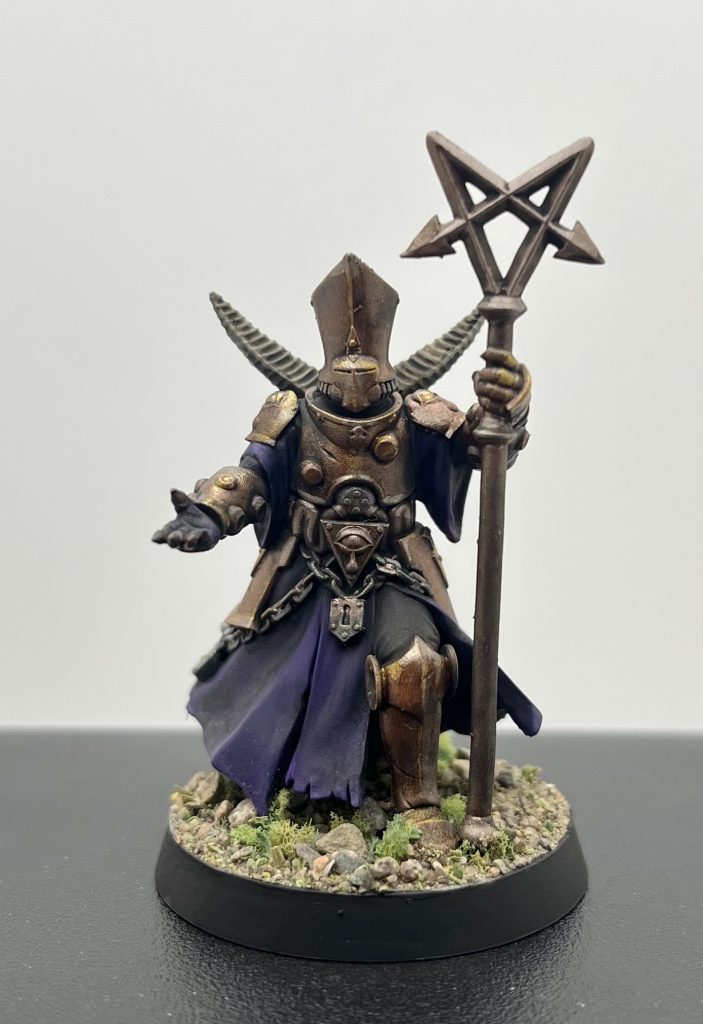 Knights of Avarice Priest, Credit - Loxi
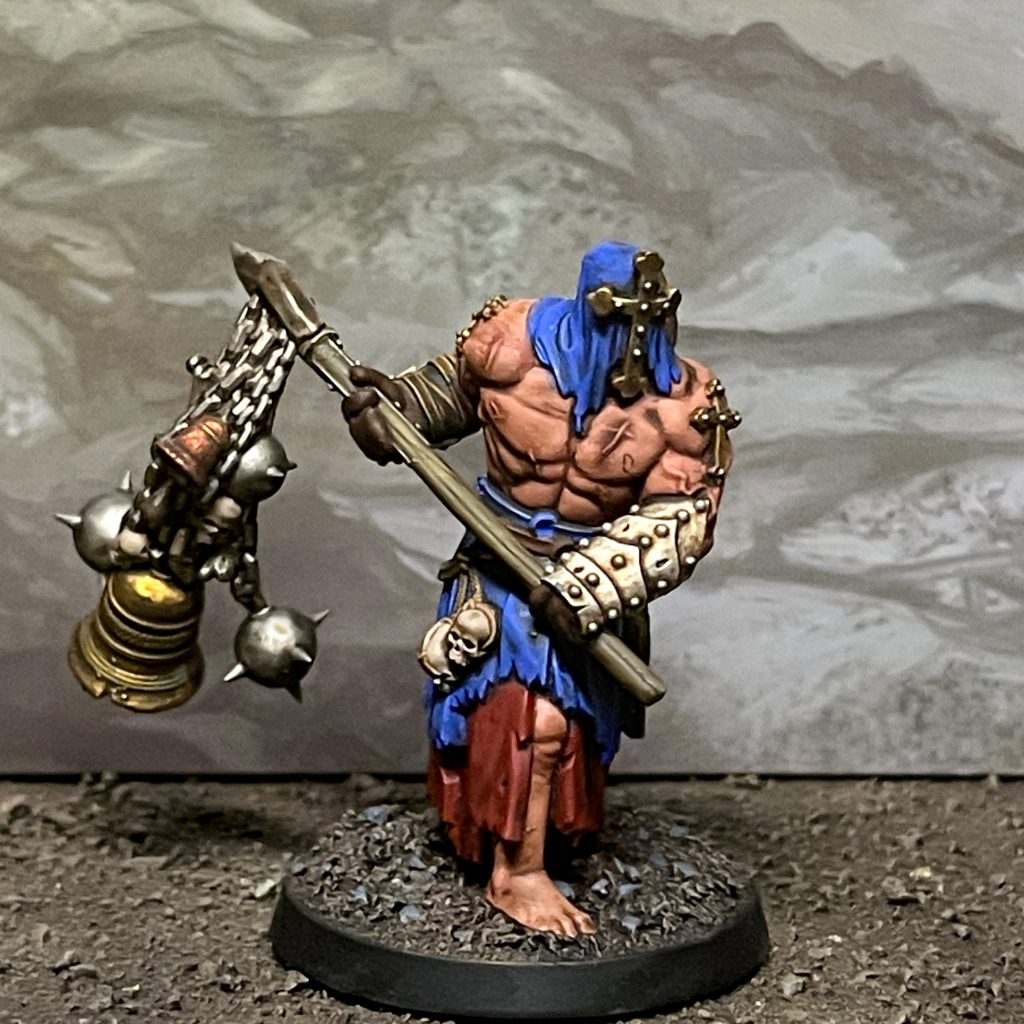 Trench Crusade, Trench Pilgrim Communication - Credit: Bair
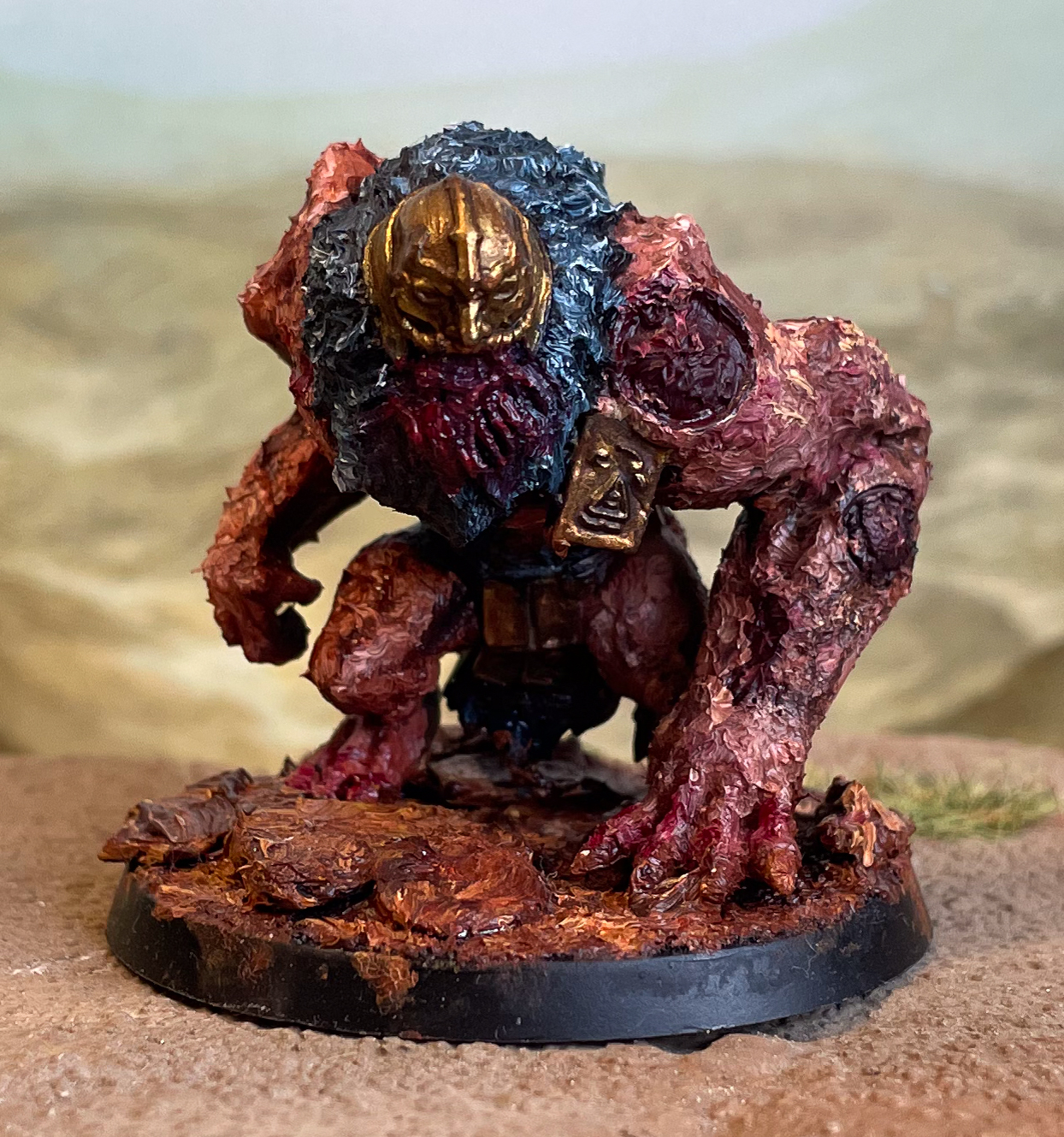 Lion of Jabir

 Goonhammer Hobby Round-Up: March 2026
 Goonhammer Reviews: Tribal Conquest
 Conquest: Weaver Courts Gemred Knights and Scaile Dancers Model Review