For the last four weeks we’ve been working through our Battlemech Championships, in which six of us all picked our 10 best units in each weight class. If you missed them, you can find them all at these links:
Light,
Medium,
Heavy,
Assault. As a reminder, our criteria for this was looking at mechs that can be played out of BMM (plus radical heat sinks, mech turrets, and chameleon light polarization system – items included on rec guide mechs that will likely find their way into next year’s updated core rulebook). We’re unconcerned by MUL availability, as that’s not something we feel should ever be used for balance – it’s a narrative tool to help build thematic forces, not something where the designers consider balance.
Across all four weight classes we had a total of 240 possible choices and ended up with 128 unique picks. These weren’t evenly spread – we only had 25 lights selected (out of 60 possible) but had 40 different heavy mechs. Interestingly, while the trend was for increased variety as we went up in weight class, assault mechs dropped back below heavies. Our split between clan and inner sphere mechs was also fairly even – 71 clan mechs and 57 inner sphere for a 55/45 split. Assault mechs were the decider here, weighted heavily towards clan mechs. One note on the split is that I’m basing it purely on the base tech base, not going into mix tech. It would shift 5ish mechs to clan if I include anything that runs a clan weapon on an IS chassis.
In the analysis of each weight class I’m going to be looking at how split our choices were, some of the key similarities and differences in picks (particularly looking at move profiles, which tend to determine a lot about effectiveness, but also engine type as it starts to become relevant), and what roles are being filled by these mechs. If you're interested in the spreadsheet I built while I was working on this you can see it
here. It's mostly just looking at how often we picked mechs, their movement speed, and their techbase. I include engine type on heavy and assault mechs – on mediums and lights it doesn't really matter, as the mech is more than likely combat ineffective after losing a side torso regardless of engine type.
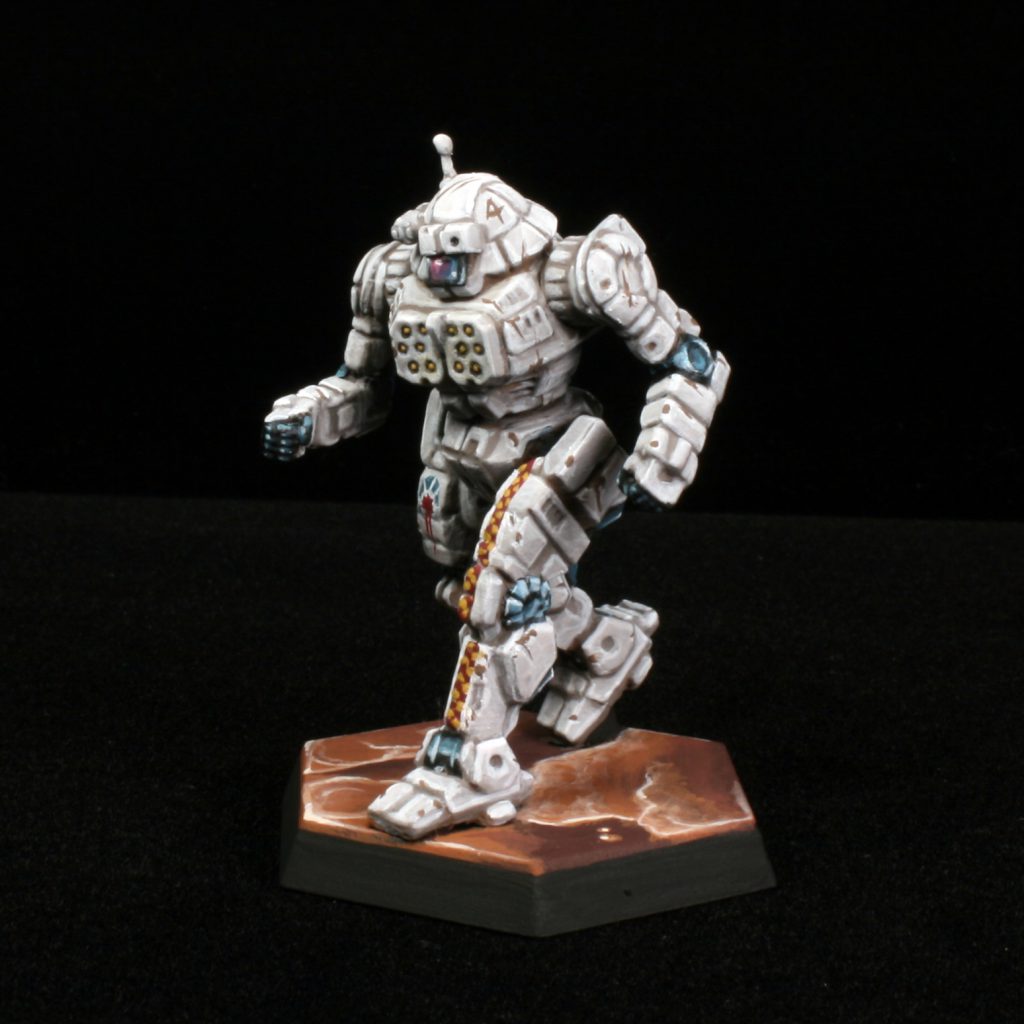 Comstar Javelin. Credit: porble
Light Mechs
Out of 25 lights we had two that were picked by everyone – the Javelin 12N and Spider 9M. The Fire Falcon E and Fireball XF were both picked by five people, and four picked the Fire Moth P, Gunsmith, Ion Sparrow C, and Locust 1Vb. 14 mechs were each only picked by one person, though several were variants of the Locust IIC. The notable thing here is that there are only five mechs slower than 8/12, and only eight jump (though our two mechs shared by everyone both move 8/12/8). My take on this is that it’s hard to have a particularly effective light mech if it moves less than 8/12. The mechs slower than that are all doing something special or are very cheap – the Horned Owl runs a clan large pulse and pair of mediums, the Adder E has absurd damage for a light with a pair of ATM 9s, the Razorback 10T carries a heavy PPC, and the Wolfhound 3M and Howler 6 are both extremely cheap for what they do.
Generally speaking there are three trends for weapons: accuracy boosted lasers (either pulse or targeting computer), SRMs, or higher alpha damage for harassing big mechs. That first category is the most common, with the Spider 9M, Fire Moth P, Gunsmith, and Locust 1Vb being right at the top of our list. All these are used for a mix of roles – they can run around behind big mechs to try to worry through rear armor or stay in reserve to fight off other light mechs. SRM spam comes from the Javelin 12N and Howler 6 – both are very cheap and bring damage, crit fishing, and utility from infernos. They aren’t necessarily being used to flank but use their mobility to get their SRMs wherever needed. Finally are the high damage mechs – the Fire Falcon E, Adder E, Razorback 10T. These are generally better at flanking than the higher accuracy mechs, as they’re more likely to actually punch through rear armor. One of the biggest risks with running a Fire Moth P up behind a heavy mech is that you hit with a bunch of shots but never make it through the armor and then can’t get behind it again to capitalize on that. These mechs hit harder and are much more likely to make it all the way through the armor, so they aren’t wasting damage. There are also a couple things on here that straddle roles – the Spector 6F, Fire Moth H, and Horned Owl all have accuracy boosts, but also have individual shots that hit hard enough to be a genuine threat to rear armor.
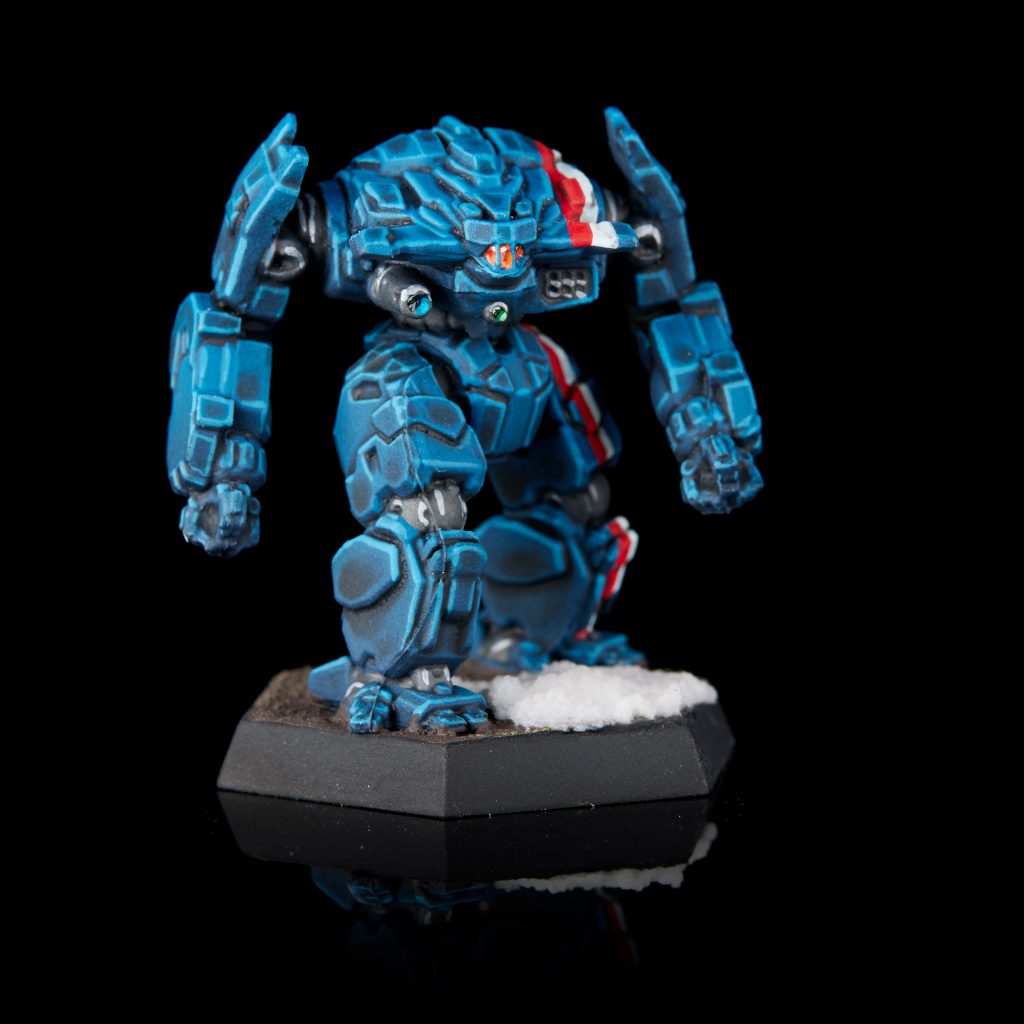 Davion Heavy Guard Hammerhead. Credit: Jack Hunter
Medium Mechs
Our 28 medium mechs give us a touch more variety than the light mechs, and shift a little towards clan mechs – 16 of them, and 12 IS. 14 mechs were only picked by a single person, and only five were picked by at least four people – there are more mechs being picked by two or three of us than with lights (nine as opposed to three). The only unanimous choice was the Hammerhead, clearly the best medium and in the running for the best mech in the game (excluding chargebots). Behind that we get the Cicada 4A, Stormcrow K, Trebuchet 9N, and Dasher II.
Looking again at movement speed we only have four mechs going slower than 6/9, and even there three of them jump – 5/8/8, 4/6/6, and 5/8/5. The 5/8/5 is the Nova T, which makes up for its relatively low speed by putting out 60 damage, and the non-jumping 5/8 is the Battle Cobra BTL-C-2OE that’s an incredibly cheap source of MMLs. 13 out of the 28 mechs can jump to some degree. Out of the mechs moving at least 6/9, five are moving 7/11 and six move even faster than that. The 7/11s all either have MASC/supercharger to push them faster or have jump jets – 7/11 isn’t a great place to be, as you’re paying for a +4 TMM that you can only hit with a single turn/tree, something that’s going to be hard to do on most maps. Moving 14 hexes instead of 11 does increase the speed factor on offensive BV, but doesn’t increase TMM (or defensive BV), so it’s not as bad a choice as it often can be – it's actually enabling you to regularly reach a TMM that you were already paying for, without making you pay for a new TMM.
The medium mechs see a lot of the same roles as light mechs – except for the Hammerhead they just don’t have the durability to trade fire and get hit repeatedly, so most of these mechs really want to keep their mobility up and never be the best thing to shoot at. Mechs like the Cicada 4A, Ice Ferret D, Wraith TR-1 (and more) are fast with good pulse laser batteries, so can land hits while moving and do good at keeping light mechs away from the back of your heavier mechs. The Stormcrow K, Trebuchet 9N, Men Shen OF, and Nova T all fall into a higher damage archetype, where they’re going to use their mobility to avoid getting hit and move to useful locations so they can focus down targets. Despite solid armor (for their weight) and good damage they really don’t want to just stand still trading – if you’re doing that, you’re probably using them wrong. Finally, like with the lights, we’ve got a couple mobile crit seekers – the Carrion Crow C, Hellspawn 10G, Battle Cobra OE, and Black Lanner D are all fast and have a couple SRM racks, able to contribute either a good total amount of damage (forcing PSRs, even if likely not making it through armor on their own) or critting out units that have had locations opened up.
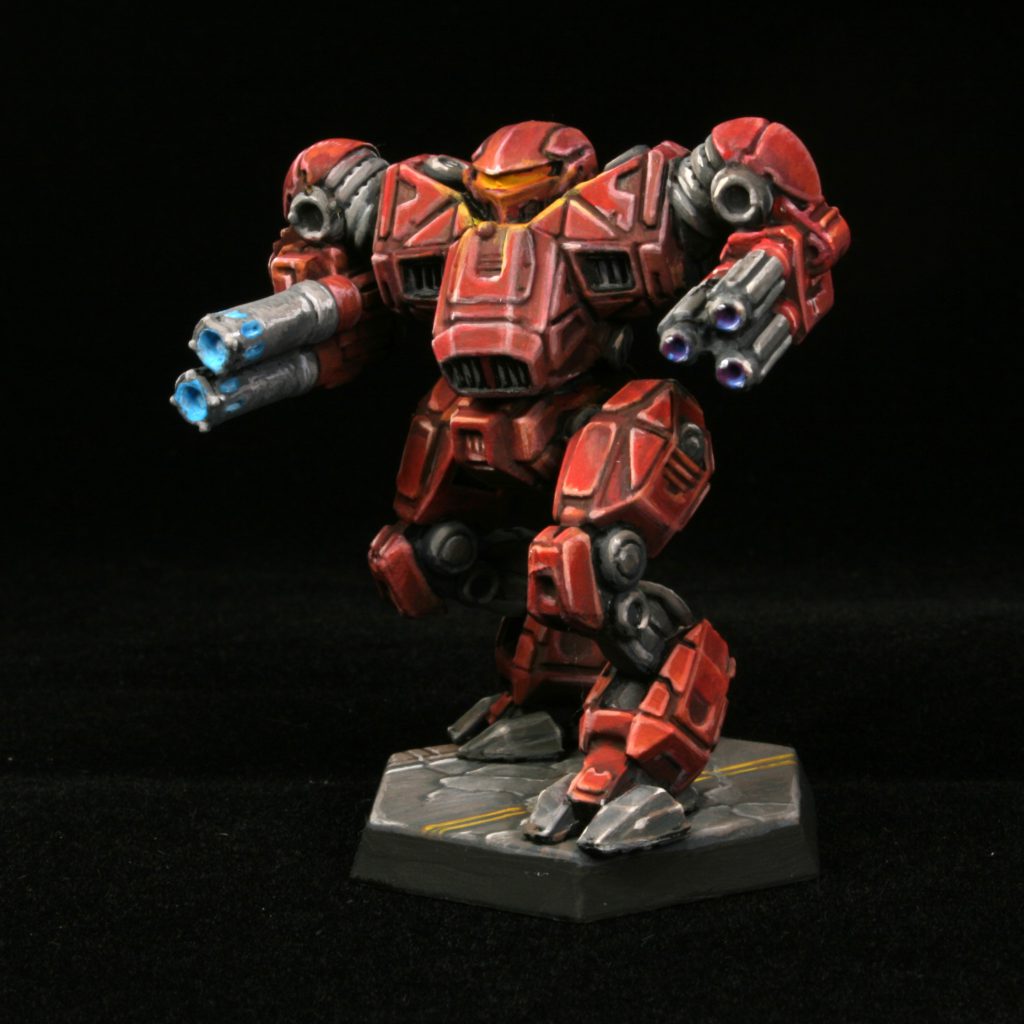 Nova Cat. Credit: porble
Heavy Mechs
Heavy mechs have the most variety by nearly any metric. 40 different mechs were chosen (and even if you take out multiple variants of the same chassis there are 32, which beats any other weight class). No mech was picked by everyone – the Flashman 9M and Nova Cat E stand on top with four people each, and there are 28 mechs that were only picked by a single person. We’re also very close to even on the tech base split here, with 19 IS mechs to 21 clan.
Move speed is the only spot where we lose out on variety. 4/6/X is the most common move profile, with 23 mechs, and five of them jump. 14 mechs move 5/8, with one jumping, there are two 6/9s, and a single 3/5/3. There are three main reasons for the predominance of 4/6 mechs: it ‘s adequate mobility to get around the battlefield, it keeps mechs cheap, and it (mostly) keeps mechs durable. The cost difference is pretty substantial – the speed factor multiplier is 1.12 on a 4/6 mech and 1.37 on a 5/8 mech (or on a 4/6/4). That works out to a 22% increase on about half the mech’s BV, plus 10% on the mobility side. Some of that cost can be countered by 4/6 mechs often being able to carry more guns than the 5/8s, but a lot of these end up using standard or light engines for durability. Out of the 23 4/6 mechs only five have inner sphere XL engines, eight have standard engines, and 10 have clan XL or light engines. On the other hand the 5/8 or faster mechs are mostly clan, with eight clan XLs, one XXL, six IS XLs and a single light engine. They’re definitely dropping some durability for that increased speed, and often also losing out on firepower.
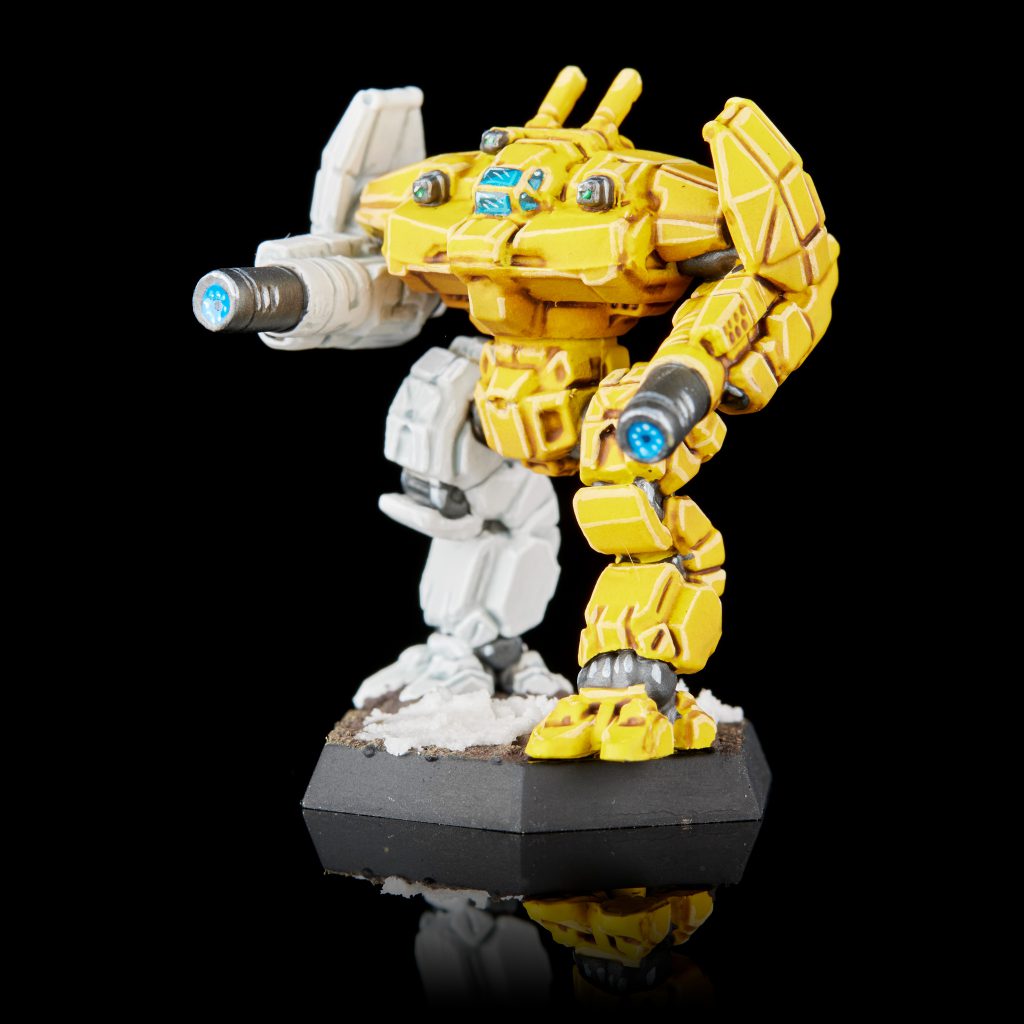 Dawn Guards Lament. Credit; Jack Hunter
We mostly have two different roles here, divided along movement speed, and inside each role mechs exist on a bit of a damage/durability/cost triangle. The first role is the battleline mech – this is a 4/6 that has the mobility to get around the battlefield but not enough to outmaneuver your opponent. It’s likely going to end up trading fire and standing on objectives, so range is useful but not critical. Some good examples at the top end are the Flashman 9M, Nova Cat E, and Black Knight 18 – all of these have full armor loads, a light or clan XL engine (saves weight for guns but still doesn’t die to a single torso loss), and can put out high damage. At the cheaper end we see mechs like the Hound 2F, Orion 1-VA, and Warhammer 7A. These are more likely to be running a standard fusion engine and lean more towards durability than damage, but are all still doing enough to be noticed. They’re mechs you want your opponent to shoot at.
The second role is a cavalry mech; something 5/8 or faster. Usually these will have a little bit longer ranged firepower than the battleline mechs, run an XL engine, and end up more expensive. They may or may not have more firepower – the Vulture IV D is pushing around 90 damage, but a Lament 2R or Lancelot C is doing around 30. Rather than just standing on a point, these have the movement speed to build real TMM and can be used to take advantageous positions and hit weakened enemies. A lot of what differentiates these from some of the high damage medium mechs is that they still can take a hit. While generally more vulnerable than a battleline mech due to side torso losses, they’re still heavy mechs and the vast majority of our choices have near full armor for their weight.
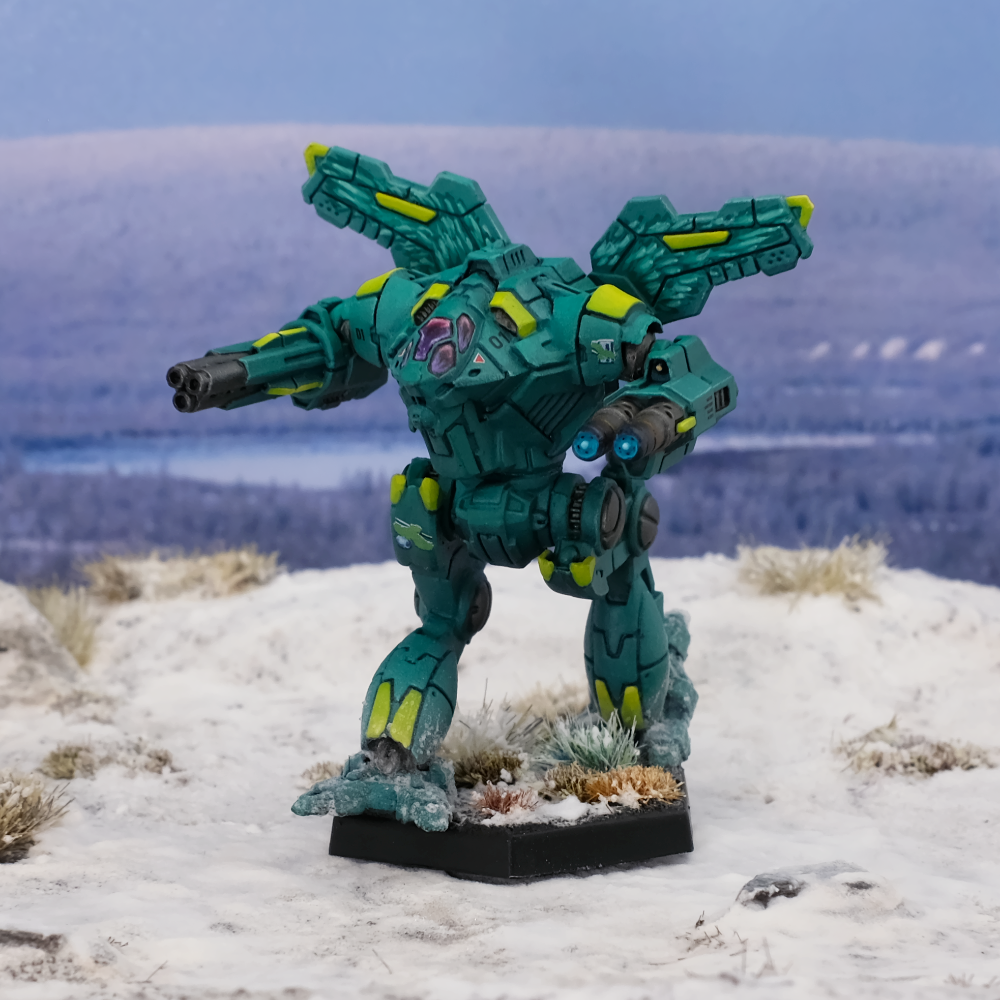 Turkina Keshik Jade Phoenix Prime. Credit: Valk
Assault Mechs
Our assault mech picks dip down below the heavies for variety – we only have 35 distinct mechs here. This is mostly caused by heavy overlap of about half our picks – six mechs were picked by at least four people, with the Jade Phoenix A picked by everyone and the Kodiak and Mastodon picked by five. There’s only one mech picked by three people and two picked by two, leaving us with 26 mechs only picked by a single person. A little lower than our heavies, but vastly more variety than the lights and mediums. The tech base split is nowhere near balanced – 22 clan mechs and only 13 IS. Our picks lean heavily towards assault mechs needing to be standout mechs, though I suspect that if we were picking our top 15 or 20 that we’d pick up a lot more of the 1,800 – 2,000 BV inner sphere assaults that just don’t quite stand out enough but are efficient piles of armor.
Peri: For those concerned about the lack of Banshees in my top 10, that really sums it up. The whole genre of "Big hugely armored cheap idiot" assault mechs are not in the running for literal best mech in the game, they are merely very good team players. Those big centerpiece 2500-3000 BV assaults can win games on their own and are costed appropriately.
Assault mechs really only have three movement profiles, either 3/5, 4/6, or rarely 5/8. 19 of these mechs are moving 4/6, and two of them jump – both variants of the Jade Phoenix, using a partial wing to get either 5 or 7 jump MP. 12 mechs move 3/5 (one moves 3/4 due to hardened armor, but we’ll count that as 3/5), of which four jump. Jumping is a lot more common on the 3/5 assaults we like than on 4/6 mechs – not as much tonnage is being spent on the jump jets, and being able to jump 3 MP is a significant difference to mobility on a 3/5; a 4/6 mech that picks up jump jets just doesn’t benefit as much, as it’s usually already able to turn and move through terrain. We only have four mechs moving 5/8, and none of them jump. While jumping 5 MP is getting into the range of being actually useful – it's the spot where you have +3 AMM and +3 TMM, and you really want to avoid having a lower AMM than TMM – it's generally too heavy for an assault mech. There are all of 15 total assaults that do it, and nine of them are Phoenix Hawk IICs.
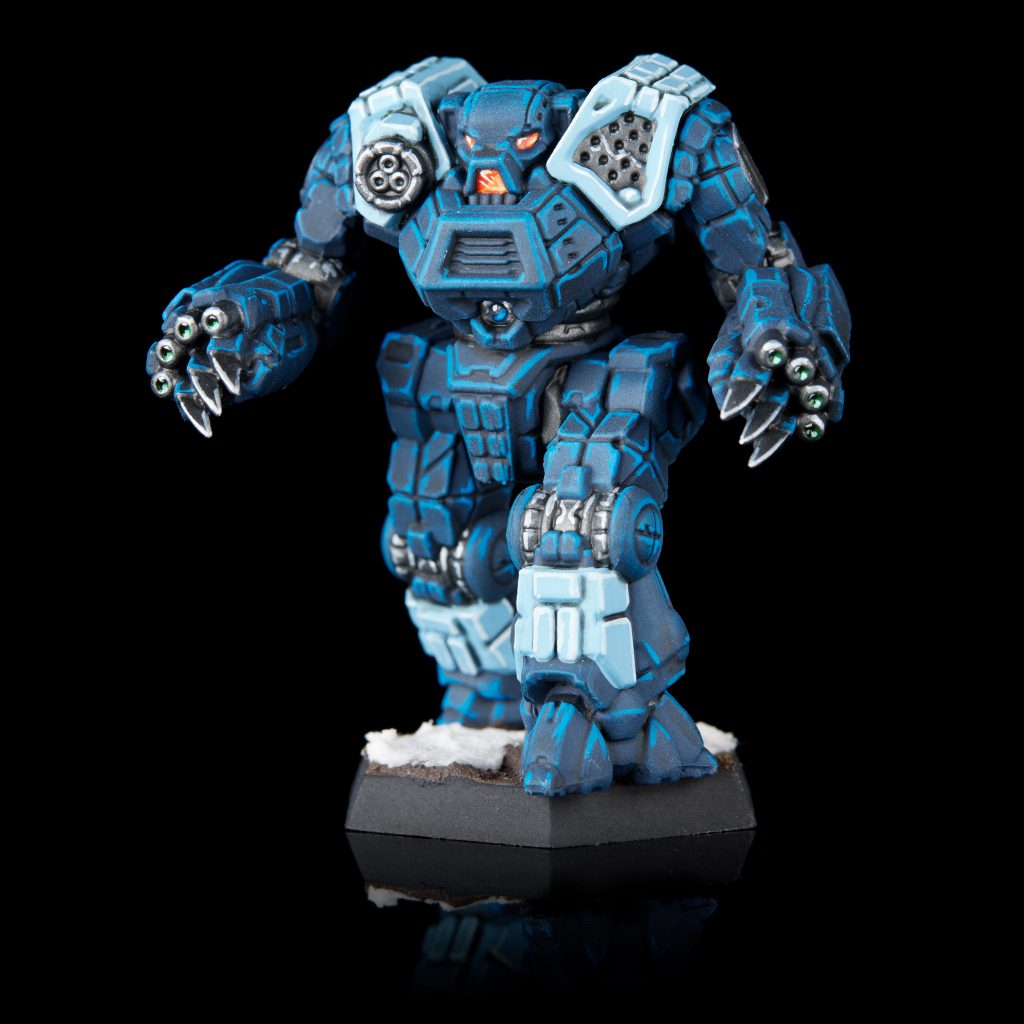 Ghost Bear Kodiak. Credit: Jack Hunter
The 4/6 move profile is the “default” choice – if you’re picking an assault mech to run, there’s a lot more room for it to be effective at 4/6. That speed allows it to effectively participate in the game, moving onto objectives, into terrain, and turning to keep its back safe. This is where we get our very top and middle picks – the Jade Phoenix A (which also benefits from jumping way too far), the Kodiak, the Iron Cheetah B, and 16 of the 26 mechs only picked by one person. The 3/5 mechs that were picked tend to be exceptional at something, usually combining great survivability with high damage. The Mastodon and Viking IIC are two of the hardest mechs in the game to kill, the Awesome 11H is one of the cheapest ways to bring three 15 point hits (and is very hard to kill), and the Tomahawk C and Supernova 5 have absolutely absurd damage (along with being hard to kill).
10 of our 4/6 mechs are running either a clan XL or light engine, with three inner sphere XLs and six standard engines. Four of the 3/5 mechs run clan XLs or light engines, seven run standard engines, and we have one single mech running an IS XL – the Nightstar 9J. Generally speaking putting an inner sphere XL on a 3/5 mech is asking for trouble – these mechs exist to take a lot of damage and death by side torso destruction is not great, but the Nightstar is so long-range focused that it’s an acceptable risk. There’s a little more room to run an inner sphere XL on a 4/6, as it can help a lot making sure there’s enough firepower to keep the mech as a valid threat, but even there we don’t see many. As either a heavy or assault mech surviving side torso losses is incredibly important. The 5/8s are of course running clan XL engines – there’s no real way to fit a big enough engine otherwise.
Except for the 5/8s (which play more like the 5/8 heavies) and the Jade Phoenixes, almost all these assaults fall into the same sort of battleline role that the 4/6 heavies do. An effective assault mech is able to move to an objective (whether that’s a point on the map or just into combat) and exist there while taking damage – it’s not able to avoid getting hit much, so needs to be able to soak damage. 4/6s can safely run a relatively short ranged weapon load – most of the Kodiak’s firepower is 5/10/15 or 4/8/12. They can move around on the field and at least influence what range they’re at, unlike 3/5s which have very little ability to dictate range until they’re actually sitting on an objective. All but one of our 3/5 picks have long range weapons – LRMs, heavy PPCs, and clan large lasers being the most common. The Tenshi is the outlier here with large VSPs and MRMs, all short range weapons, but it’s stunningly cheap and the VSPs have great damage and accuracy once it makes it close.
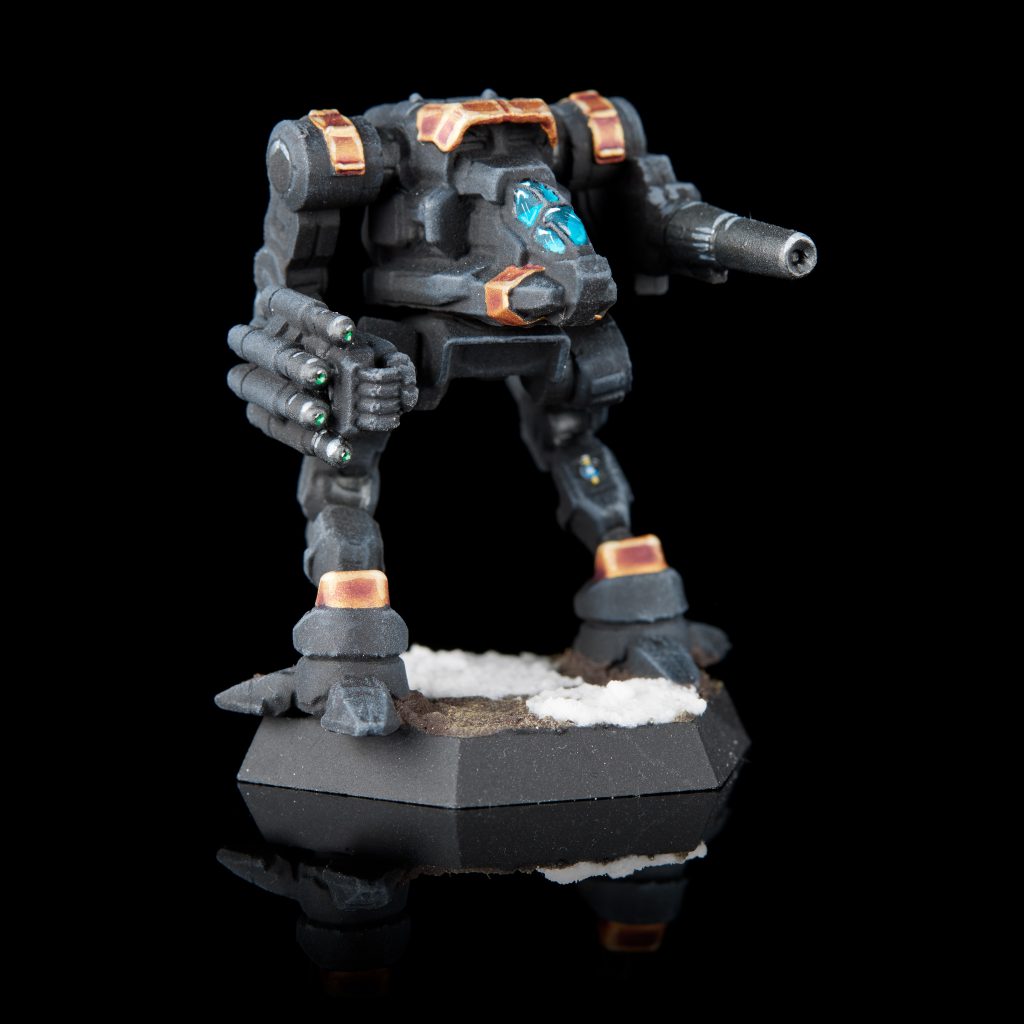 Hastati Sentinels Stormcrow. Credit: Jack Hunter
Final Thoughts
There are two things that hold up across all four weight classes: armor good, mobility good. Almost every mech we’ve picked is running 80% armor coverage or better. It’s pretty cheap (2.5 BV per pip, multiplied by TMM) and is key to everything else on the mech – even light mechs are going to get hit occasionally, and there’s no point spending BV on guns if you explode before you can use them. You do also want to make sure to bring enough gun, as a mech that all armor and no firepower isn’t really contributing much to the game – anything over 1,000 BV or so generally needs to be able to force a PSR on its own.
Mobility is the other thing broadly important across all weight classes. Lights want to move 8/12, mediums 6/9, and assaults and heavies both want to move 4/6. Mediums that move 7/11 and heavies that move 5/8 are common, but less so than the slightly slower ones – both these profiles pay for TMM that you can struggle to actually hit on common maps. 4/6 is a good speed for both assaults and heavies as it enables them to play an active role in the game, rather than the more reactive play you get out of a 3/5.
Peri: Quickly interjecting here at the very end to say that if you take away nothing else from this article, take away the fact that if you are taking a mech that is below that ideal speed, you need to be getting a lot of value out of it being slower, either in armor, guns, or price. Conversely, if you go above that ideal speed, you really need to think about if you are comfortable paying that much more for that extra movement without an increase to armor or firepower. Speed factor is no joke.
Have any questions or feedback? Drop us a note in the comments below or email us at contact@goonhammer.com. Want articles like this linked in your inbox every Monday morning? Sign up for our newsletter. And don’t forget that you can support us on Patreon for backer rewards like early video content, Administratum access, an ad-free experience on our website and more.Thank you for being a friend.
 This website uses cookies. Learn more.

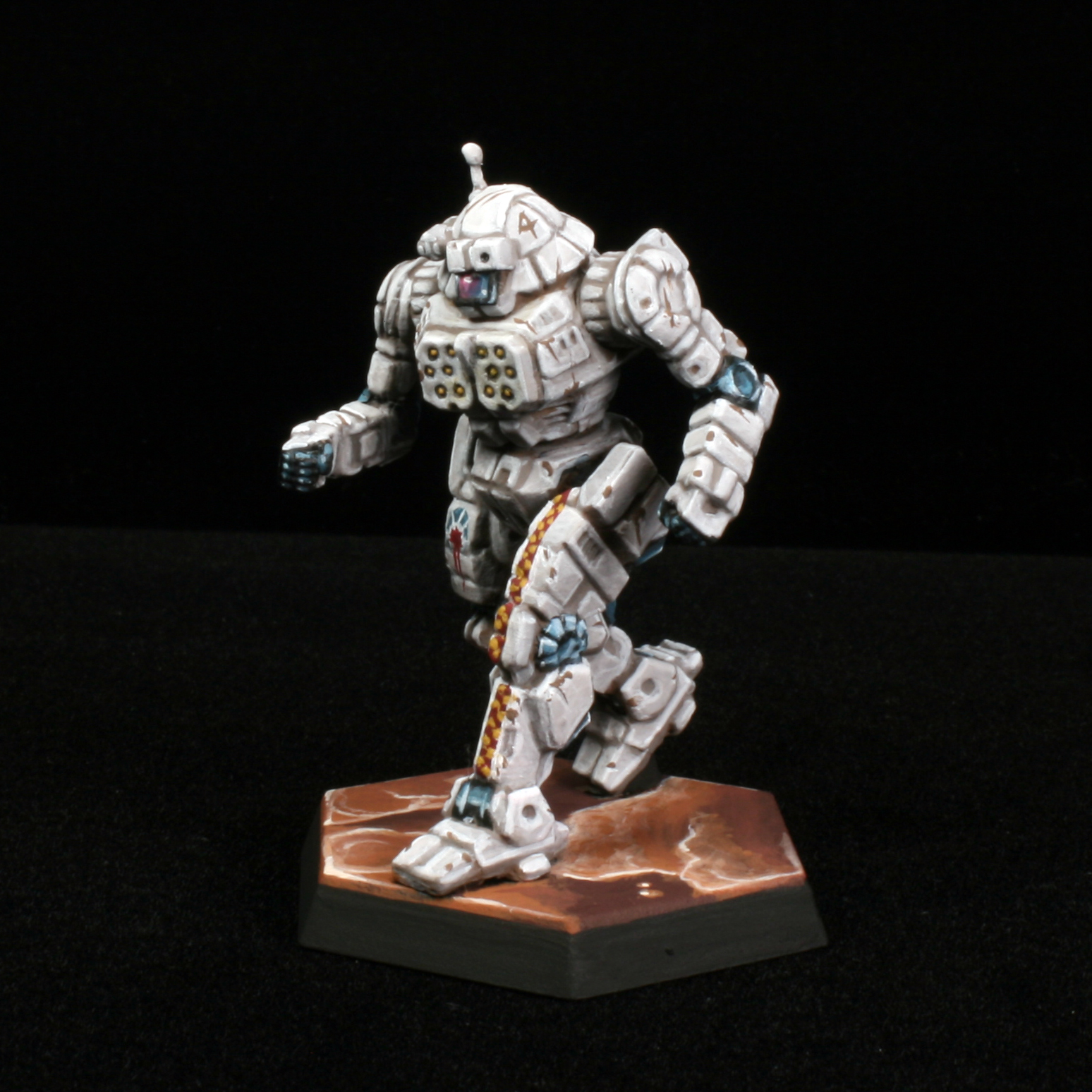 Comstar Javelin. Credit: porble
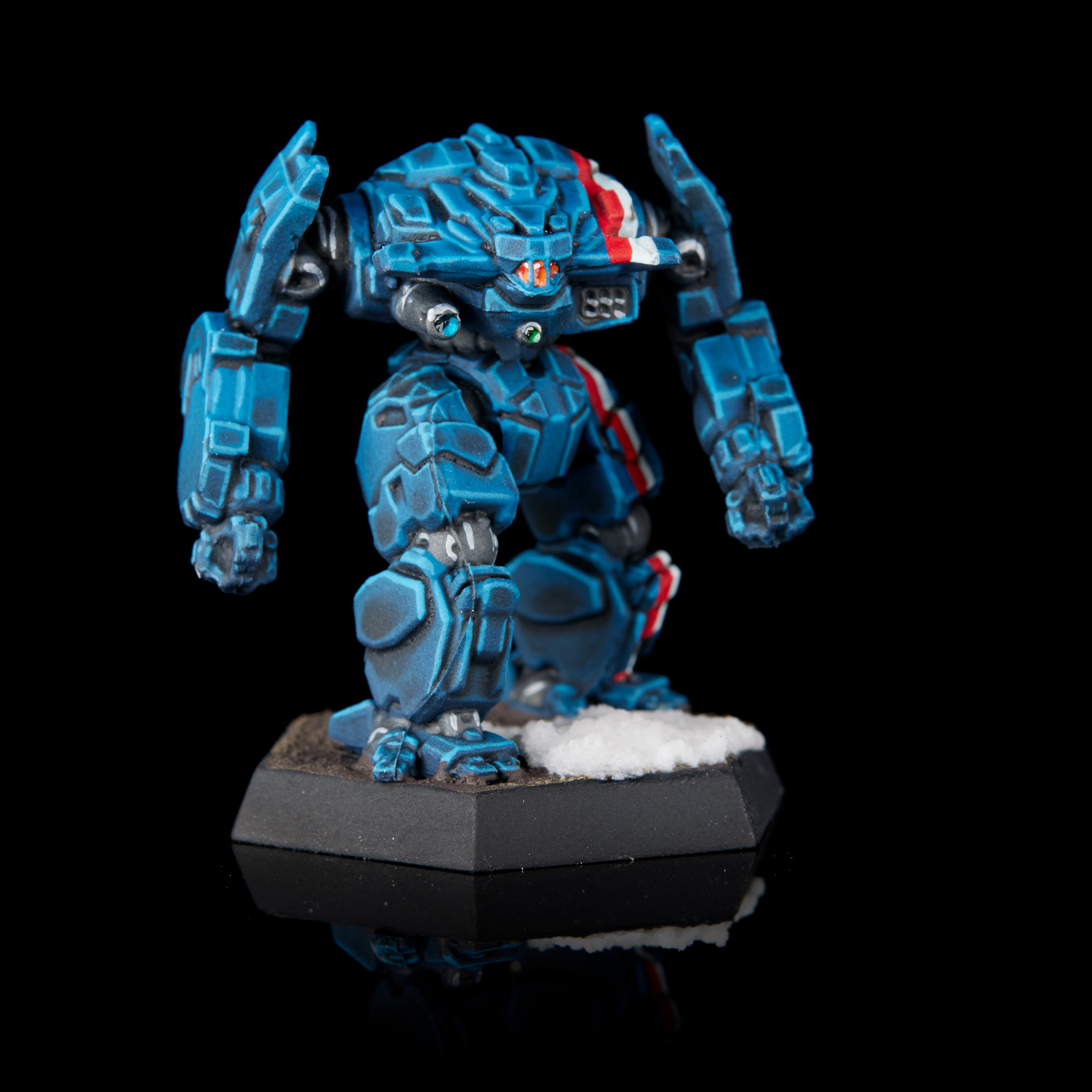 Davion Heavy Guard Hammerhead. Credit: Jack Hunter
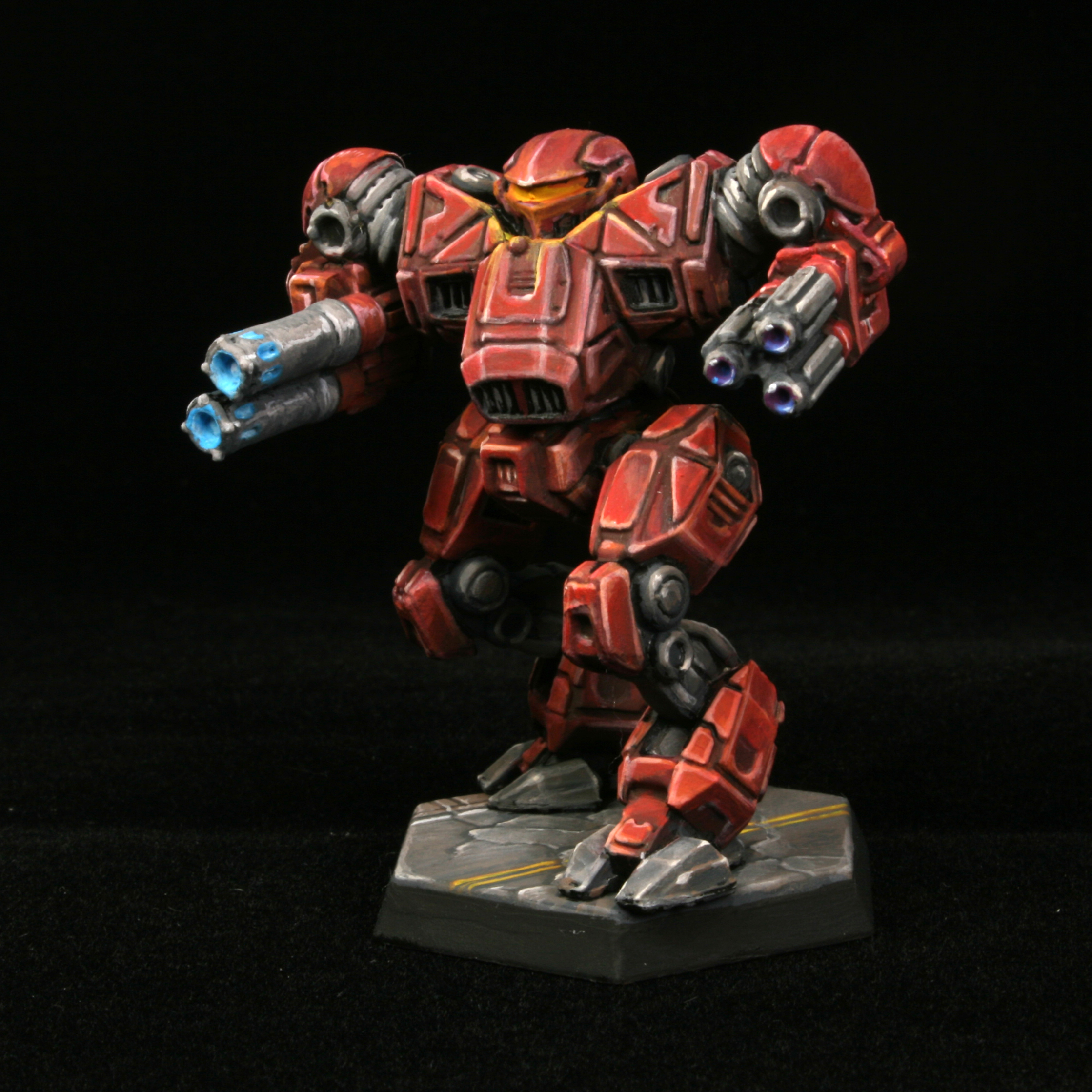 Nova Cat. Credit: porble
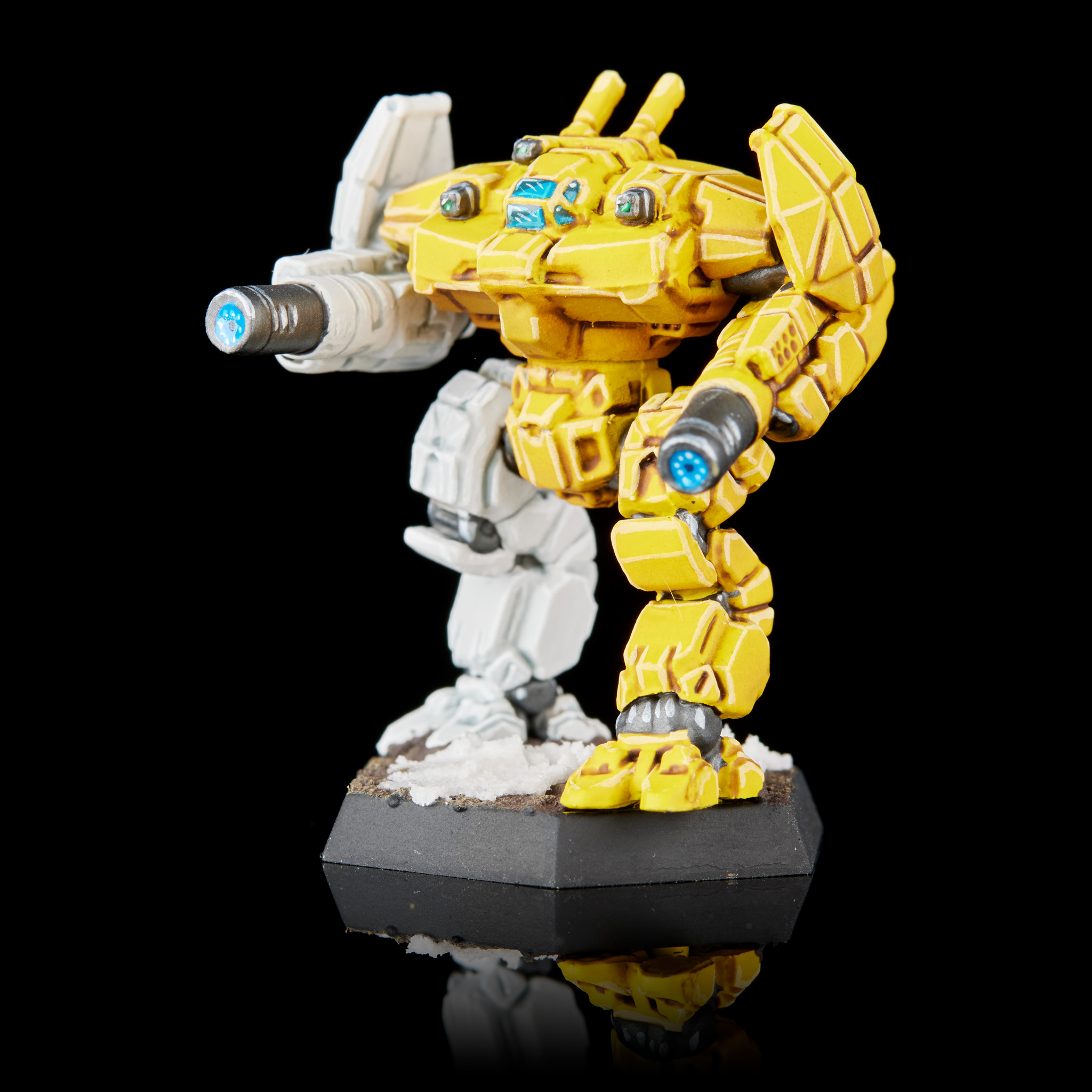 Dawn Guards Lament. Credit; Jack Hunter
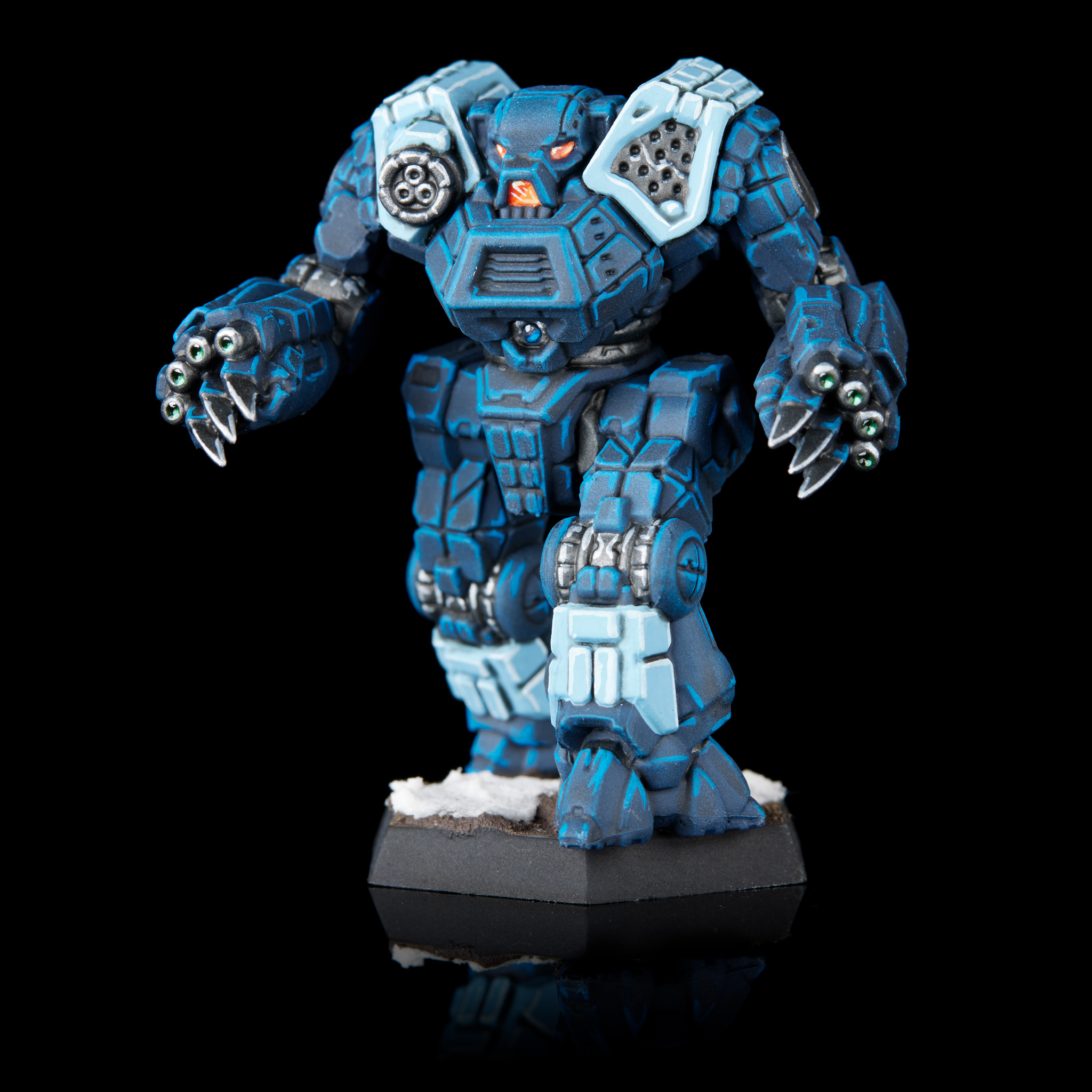 Ghost Bear Kodiak. Credit: Jack Hunter
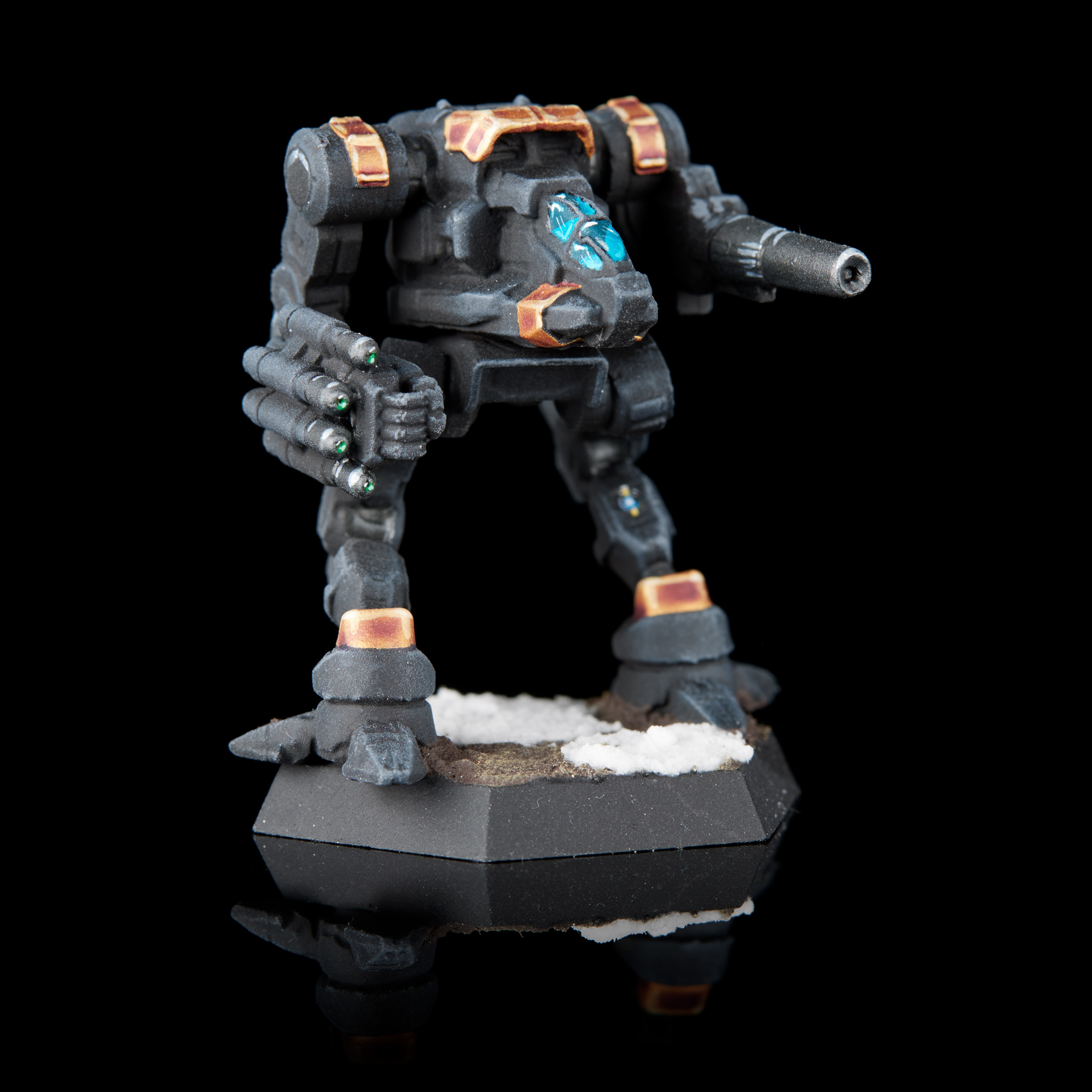 Hastati Sentinels Stormcrow. Credit: Jack Hunter

 Goonhammer App and Patron Updates: April, 2026
 Kill Team Tournament Report: Engage, Party, Repeat's March Madness 2026
 Goonhammer Reviews: Tribal Conquest