Here at Goonhammer, we know that it’s hard to keep track of all the news happening all the time in the games industry. So much is always going on with games of all sorts, and their related media, it can be a real blink-and-you’ll miss it situation.
That's why every week, we round up five of the biggest stories in the gaming sphere from the past week in the Games Industry News Roundup. Our trusty news boy, Dan “Swiftblade” Richardson, is at the very real and cool Goonhammer newsdesk with the scoop.
“Great Ubisoft Reset” Announcement Causes Ubisoft Shares to Crash
Credit: Ubisoft
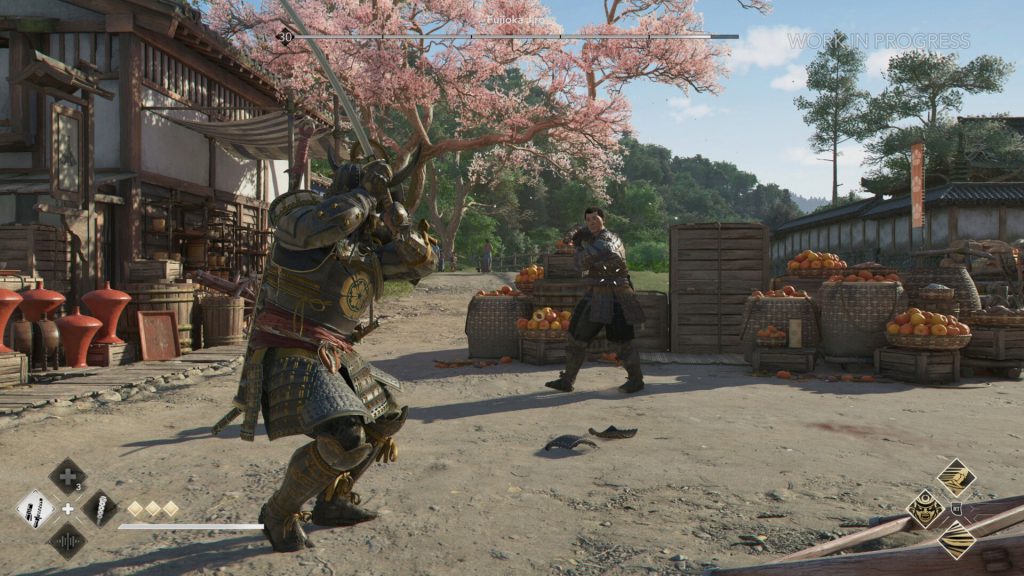
Ubisoft, one of the biggest publishers in the gaming space, has lost its luster in recent years. Many of its major franchises, like Assassin’s Creed and Far Cry, have struggled to hit the blockbuster sales numbers they did a decade ago. Ubisoft is taking action to amend those poor sales, as they reported out last week that the company is undergoing a major restructuring of their studio which includes closing multiple studios, cancelling several games, and dividing the company into new “creative houses”.
The restructuring is estimated to save Ubisoft around €200 million, and studios that are confirmed as closing include the Stockholm and Halifax branches of Ubisoft. Six games have been cancelled as a part of the restructure, including a remake of Prince of Persia: The Sands of Time, and Ubisoft’s staff cuts include around 200 positions from the company’s head office in Paris.
Alongside these massive cutbacks for the company, Ubisoft is dividing the company efforts into 5 “creative houses”, with each house overseeing a particular type of project and the various franchises that fall within that umbrella. As an example, one of the houses, Vantage Studios, will oversee “Scaling and extending Ubisoft’s largest and established franchises to turn them into annual billionaire brands”, and includes franchises like Assassin’s Creed, Far Cry, and Rainbow Six.” The Ubisoft offices included as a part of the Vantage studios include the Montréal, Quebec, Sherbrooke, Saguenay, Barcelona, and Sofia studios. According to SVP of Studio Operations at Ubisoft, Marie-Sophie de Waubert, this change is “a major transformation laying the foundation for midterm growth”.
In the short term for Ubisoft, these sweeping changes are having the opposite effect. As reported by CNBC following the announcement, Ubisoft’s share price dropped 34%. This most recent crash brings the company stock price down by a total of 95% in the past eight years of operation.
Shareholders Sue Hasbro CEO For Flooding the Market with Magic Cards
Credit: Square Enix/Wizards of the Coast
There’s a saying “too much of a good thing is a bad thing.” Normally, we associate this wisdom with wise father figures from sitcoms, but not with shareholders of a major company, who are well known for pounding their fists on metaphorical tables demanding even more “good thing” so the profit line can go up forever.
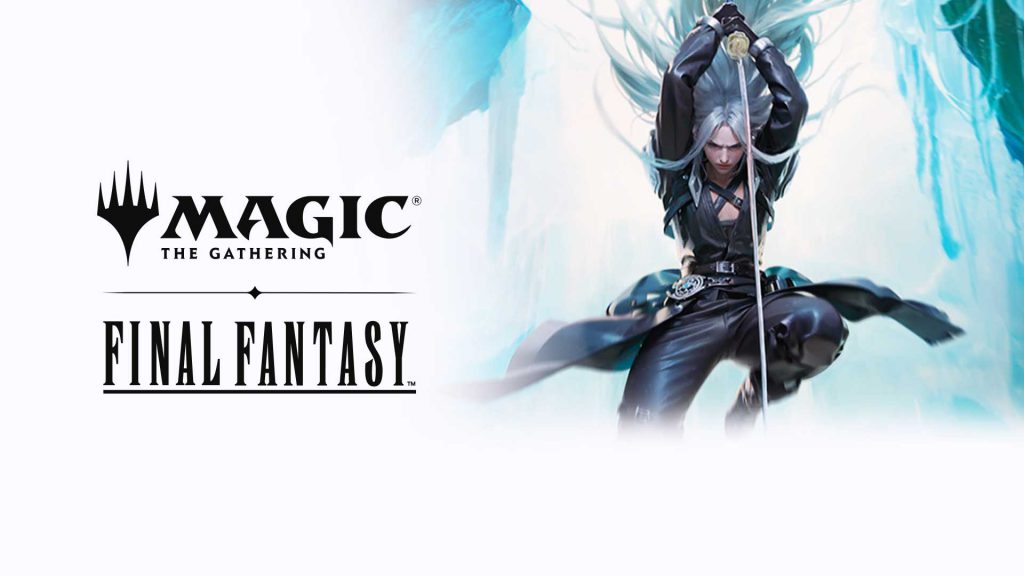
It looks like CEO Chris Cocks and Hasbro have finally found the magic tipping point for shareholders to finally throw up their hands and say enough, as a shareholder group filed a lawsuit against Cocks and former Wizards of the Coast president, Cynthia Williams, claiming their overproduction of Magic Cards led to “breaches of their fiduciary duties as directors and/or officers of Hasbro, unjust enrichment, waste of corporate assets, gross mismanagement, (and) abuse of control” between 2021 and 2023.
The lawsuit claims that not only was Hasbro overprinting Magic cards during the time in question, but was more than aware it was doing so, and chose to simply ignore those warnings and continue headlong. One particularly eyebrow-raising report by Bank of America in 2022 noted that Hasbro was “overproducing Magic cards, which have propped up Hasbro’s recent results but are destroying the long-term value of the brand.” To assuage shareholders that this was not the case, Hasbro bought back $125 million in shares at artificially raised prices, which temporarily ballooned shareholder confidence at the cost of $55.9 million thrown directly down the drain.
The lawsuit also found that Hasbro was lying to its shareholders during earnings calls about the topic of card production, saying that the huge increase in cards was being printed to meet demand, but in truth the number of cards being printed far outstripped consumer desire, and was part of a larger strategy to simply flood the market with product.
The lawsuit writes "Hasbro’s strategy with regard to printing Magic cards was not as carefully thought out as portrayed. The Company was in fact printing a volume of Magic sets which exceeded consumer demand; the Company’s inventory allocation management was problematic, particularly as it pertained to the Company’s printing strategy for Magic sets; the Company was overloading the market with Magic sets to generate revenue and to offset shortfalls within the Company; as a result of the Company’s overprinting of Magic sets, existing Magic cards were devalued; and the Company failed to maintain internal controls."
The main plaintiffs in the suit are Joseph Crocono and Ultan McGlone, who each have respectively owned stock in Hasbro since 2020 and 2021.
Hasbro has not responded to any media request regarding this lawsuit at time of writing, and the claim comes only a few weeks before the company’s annual earnings call on Feb 10th.
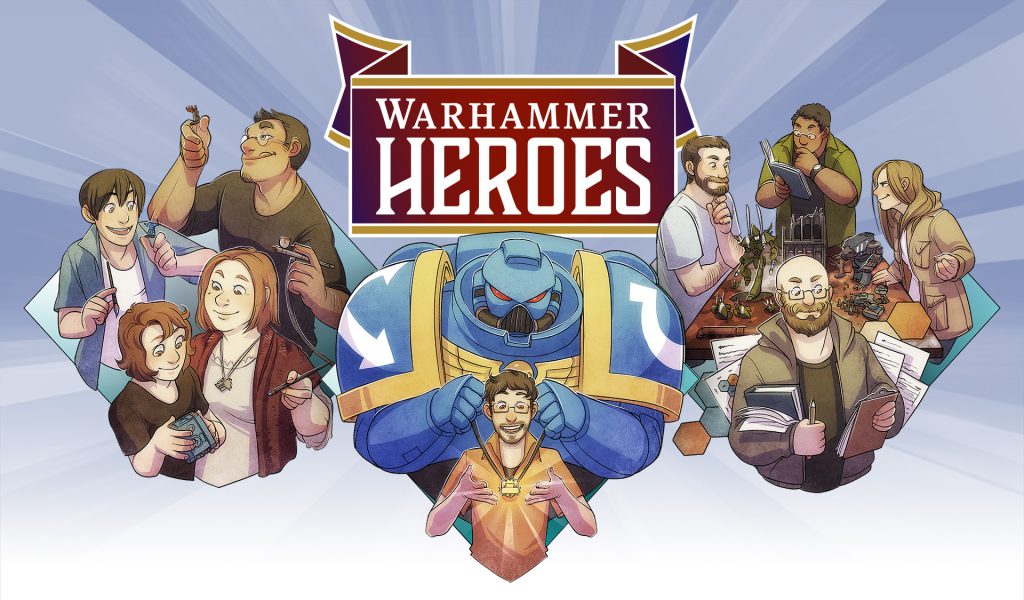
“It’s important to us that Warhammer Heroes is a celebration of people who go the extra mile.” writes the Warhammer Community post announcing the return of the Warhammer Heroes program. “While many heroes run events or clubs, perhaps your personal hero travelled halfway across a country to deliver the unit someone had left at home ahead of a tournament, or even lent them a whole army after an emergency! We believe impact on a personal level is just as important as impact on a community level, and is worth recognizing and celebrating.”
Anyone is allowed to submit a nomination for a Warhammer Hero, and Games Workshop assures fans that every submission is read. Those who are selected to become Warhammer Heroes are flown to Nottingham and presented with the award at a dinner ceremony at Warhammer World, with their picture and story hung on the wall, as well as displayed on the Warhammer Heroes Roll of Honor website.
Previous winners of the Warhammer Hero award include Danny Bennet, who has championed Warhammer afterschool programs for neurodivergent youth, and Hannah Wilson, who’s Warhammer gaming club at University of Derby was awarded the “Most Inclusive Society” award by the University’s Student Union.
Nominations for this year's Warhammer Heroes event closes on February 27th, 2026.
Trading Card Giant Upper Deck Comes Under Criticism After Signing Harry Potter Licensing Deal
Credit: Upper Deck Studios
Upper Deck, one of the largest trading card companies in the world, announced last week that it had finalized a licensing deal to create cards and games using the Harry Potter license, a collaboration between two titans of their spaces that could see hefty profits. The massive deal has been met with criticism from the Tabletop Game Designers Association (TTDGA), who have pleased with Upper Deck to reconsider the agreement due to J.K Rowling's well-documented anti-trans rhetoric and history of donating funds to anti-trans groups.
The deal allows for Upper Deck to not just print trading cards based in the Harry Potter extended universe, but also create games based in it as well. Upper deck is the owner of the Legendary series of card games, which has released box sets based on liscensing deals in the past with major media companies like DC and Marvel.
“Making this decision isn’t just a business decision. It’s a value based decision.” writes TTGDA Board Member Marceline Leiman on Blusky, criticizing Upper Deck’s silence on Rowlings previous transphobia. “I insist any and all readers following this story continue with the boycott of Upper Deck products. No purchase, promotional video, post, or ANYTHING that can trade them attention for the algorithms. Don’t give them an inch. Not until they give us a proper response and a plan to move forward.”
If Hardy Roach games sounds familiar to Goonhammer readers, its because the company’s owner, Laurence “HardyRoach” Phillips, is a contributor here at Goonhammer for the Blood Bowl and Historicals beat. Fantasma is the first kickstarter campaign put out by Phillips under his own TTRPG design banner, Hardy Roach Games, based out of the UK.
Fantasma is a narrative focused TTRPG set in the 20th century, where players take on the role of failing actors who have turned to working with an eldritch being known as “The Yellow” to try and revive their failing careers, sending them to live out neo-noir TV thrillers with deadlier consequences than they bargained for.
The game focuses on narrative and collaboration between the GM, known here as the “Director”, and the platers, known as “Actors. Gameplay sees players choosing from one of nine Actor archetypes and influencing the narrative through the power of tropes, drawing inspiration from classic TV such as the Twilight Zone and Italian 60’s and 70’s thriller cinema from directors like Mario Bava and Dario Argento.
The kickstarter will include a 224 page rulebook, with rules on how to run a game of Fantasma, player and GM information, as well as extensive background on the sources the game takes inspiration from. The kickstarter page is currently in pre-launch, with a planned go-live in early spring.
Have any questions or feedback? Drop us a note in the comments below or email us at contact@goonhammer.com. Want articles like this linked in your inbox every Monday morning? Sign up for our newsletter. And don’t forget that you can support us on Patreon for backer rewards like early video content, Administratum access, an ad-free experience on our website and more.
 This website uses cookies. Learn more.

 Credit: Ubisoft
 Credit: Square Enix/Wizards of the Coast
 Credit: Warhammer Community
 Credit: Upper Deck Studios
 Credit: Hardy Roach Games

 Goonhammer App and Patron Updates: April, 2026
 Kill Team Tournament Report: Engage, Party, Repeat's March Madness 2026
 Goonhammer Reviews: Tribal Conquest