G’day Goonhammer readers. With the release of Kings of War 4th edition quickly approaching, we thought we’d put together a summary of the biggest changes, and how we think they affect how we prepare, play and think about the game. Do note, we have not received a copy of the new rules, so this is based on the previews Mantic and the community have released (find them here). There are probably things we miss or maybe even get wrong! But it’s an exciting time to be in, so read on to see what we think are the biggest changes coming our way.
List (Re)Building From the Ground Up
Army list construction, organizing units into a fighting force, is about to change considerably in Kings of War. In 4th edition, units are designated as one of five types - Core, Auxiliary, Specialist, Support and Commanders. These are organised into Battalions which require at least two Core units and one Commander. Each Core unit in a battalion allows you to include one Auxiliary unit and one Specialist unit, but it takes two Core and/or Specialist units to add in one Commander and one Support unit.
Kings of War 4th Edition Battalion Structure Credit: Mantic Games
The important delineation is that Support and Commander units are considerably harder to amass in great numbers in the 4th edition army. Support units are typically the most elite, heavy hitting units in an army, be they heavy cavalry units or long-ranged artillery.This is the most stark contrast to 3rd edition, where most of these units could be taken en masse, and for the few that had any kind of restrictions, they were typically easily bypassed with the inclusion of a horde or two of cheap infantry as a core. Now in 4th, the number of Core units required to spam the heavy hitting Support units is much higher. If you want three regiments of Wights (formerly known as hordes), that’s six Core and/or Specialist units that must be included along with them, which suddenly is almost the whole army done. It will change up the composition of armies in a big way, and it will take a while to fully appreciate it.
This change of focus to Core units at the centre of armies will bring back the more standard infantry and cavalry units that were less popular in 3rd edition, particularly in armies that had more exciting options that were just better. Whether this goes too far and sees every army filled with the same units remains to be seen, but knowing Kings of War, this won’t be the case.
Cytoplasm's Rabble (photo credit: Matt Sellick).
A New Movement
Kings of War 4th edition will see the biggest strides (pun intended) in the Movement phase since the game’s inception. Gone are the days of only one pivot of up to 90° if you simply Advance (a standard move for those not in the know). Now almost everybody gets a double pivot with an Advance, and a single pivot on an At the Double (sorry, not you Shambling units). It is almost as if all units had 3rd edition’s Nimble, although you don’t get the double pivot on the charge. Instead if you do have 4th edition’s Nimble, you get two pivots on the charge. This version of Nimble is far, far rarer. For instance, among all Orcs units, only the Tundra Wolves have Nimble.
Charging enemy units won’t be quite as tricky anymore in 4th edition, despite the low amount of Nimble units in the game. Units charging the same target can interpenetrate, that is, friendly units in the same charge do not count as blocking for the purposes of getting to the target. We haven’t seen the exact wording, but the idea seems to be that getting multiple units into the same enemy won’t be nearly as tricky, especially for the new player. Before, it could be critical which unit went first into an enemy, as the positioning might block everything up and you’ll have to start again. Now it seems quite a bit simpler to get all those units into combat, speeding up what can sometimes be a very tricky phase of the game.
Nightstalker Fiends. Credit: Urr
The other big change for movement is that the player gets to decide how a unit completes a charge. Previously, the most direct route had to be taken, but the most direct route was not always obvious and open to interpretation. The consequences of this were that this would force your unit into terrain during the charge. Now you can now direct the charge to avoid obstacles in the way. You do still have to be able to complete the charge with your allowed pivots, and if you land on terrain after aligning, you are still hindered. But the freedom of setting your own charge lines, especially after the extra pivots in the preceding turns is going to allow for a lot of skill expression. Getting the angles of the moves and charges just right to allow for unhindered flanks will be devastating if your opponent is not prepared.
No longer is it just dragons down the flank you have to worry about, but any cavalry unit (or equivalent). They can all speed down a flank and turn in to face down your lines. Flying units in particular, we’re looking at you, Elohi and Drakons, are going to cause some real headaches for the unprepared. There’s a reason most of these are Support!
Getting to Grips with Combat
So, how do you counter a dragon coming down your flank? Well, you can now lock it in combat. With the new “sticky” combats, you can no longer ignore whatever you are currently engaged with, and zoom off to another combat. If that Dragon decides to turn down the line and ignore a piece of chaff or an individual in its flank, too bad. If it gets charged, it is stuck in that combat until someone Withdraws, or one of them routs. That gives you time to bring a harder hitting unit (or two!) up behind that chaff piece, and prepare for the kill. Even a Dragon won’t survive two regiments of Knights in the front! But remember, now only two units can charge a single facing. If you want to double up with two killy things, that chaff has to be gone, one way or another!
Undead Wights! Credit: Cytoplasm.
That limit of two units per facing is going to greatly increase the survivability of Horde units, especially those with Phalanx or Ensnare. With their boosted Unit Strength compared to the rest of the field, it will be especially important to take them off, but it’ll be a lot harder to do it in one go if you don’t get that all important flank.
With the high nerve of infantry hordes, even a berserker style unit and a large infantry regiment double charging the front of a horde does not have a particularly high chance of routing said horde. And the consequences for the two units charging in and failing to secure the kill can be dire, now that units can split attacks into multiple engaged enemy units. Couple this with any damage recovery and unit augmentation, the grind can be lethal! Of course, misallocating the number of attacks required to take both units off can be a gamble, but that's where the dice come in. Going big for both might be the only way to turn the game around, or you might snatch defeat from the jaws of victory!
Setting Targets on the Ranged Phase
The big change for shooting in 4th edition (and arguably the biggest change overall depending on your army) is that shooting a unit no longer routs the enemy unless they are Devastated. If you get lucky with your Nerve Check and roll higher than their Nerve but they’re not Devastated, then the unit is Wavered. This keeps shooting tactically useful, but is on its own not a means to clear the board of enemies in an effective manner.
For armies more inclined to lots of firepower, they can still focus on a single target and get it Devastated, so that by the time the Nerve Check is rolled at the end of the Ranged phase it will rout. This is the new choice in 4th edition - focus on a single target and potentially bring it down, or shoot on multiple targets and hope to waver multiple units. Either way, shooting units has become more about damaging the unit in advance and halting their progress, rather than outright death.
Cytoplasm's Big Rocks Thrower
One truly terrifying aspect of the new shooting rules are Fearless units; they cannot be Wavered. The Undead and Empire of Dust will just continue marching forwards, regardless of firepower. This is definitely a thematic touch.
We definitely think you’ll still want shooting in your army, though you might not commit quite as hard as you did in 3rd edition. Just 6 wounds from shooting attacks before a regiment of Trolls charges in turns the chance of routing an Inspired Shieldwall Regiment from approximately 7% to 95%, a huge swing, and that’s average wounds from two units of Pack Hunters standing still (three if they’ve all moved), and guess what, they’re a Core unit for your Battalion.
Putting It All Together
How do we think things will shape up? Well, we cannot be sure until we have our dusty, Australian hands on the actual rules and a few games under our crocodile-hide belts, but the changes ultimately seem for the better. Better in terms of easing new players into a rank and flank game, and better in terms of a smooth ruleset for competitive play.
Mantic Game's Twilight Kin Impalers. Credit: Urr
Kings of War 4th edition seems on the one hand to be more dynamic, as units move around to get the best angles and set up in the lead up to combat. Once combat is underway, however, it looks like the game will be much more of a grind, at least without the appropriate support before and during combat. Shooting enemy units prior to combat and setting up friendly units to hit flanks will be key to quickly resolving what would otherwise be drawn out conflicts.
How will you adjust to the new edition? Will you take the cheapest Core regiments you can to get your unlocks? Or will you prioritise the staying power and unit strength of hordes? Will you amass shooting units to devastate your enemy? Or ignore shooting completely in favour of getting up close and personal?
How will you handle enemy fliers? Trip them up with chaff or hit them with your own?
While we have our own ideas, who knows how they’ll stand up on the tabletop? Only time will tell, so now all that’s left is to get those rules and play some games!
Have any questions or feedback? Drop us a note in the comments below or email us at contact@goonhammer.com. Want articles like this linked in your inbox every Monday morning? Sign up for our newsletter. And don't forget that you can support us on Patreon for backer rewards like early video content, Administratum access, an ad-free experience on our website and more.
 This website uses cookies. Learn more.

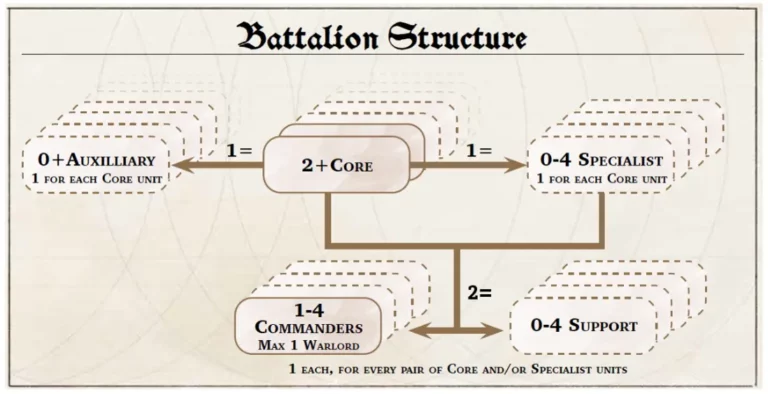 Kings of War 4th Edition Battalion Structure Credit: Mantic Games
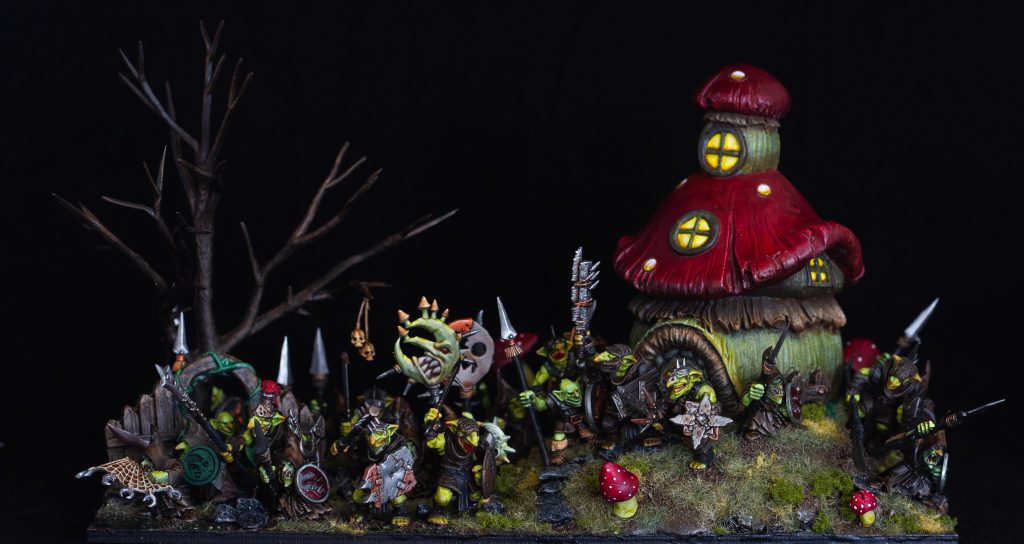 Cytoplasm's Rabble (photo credit: Matt Sellick).
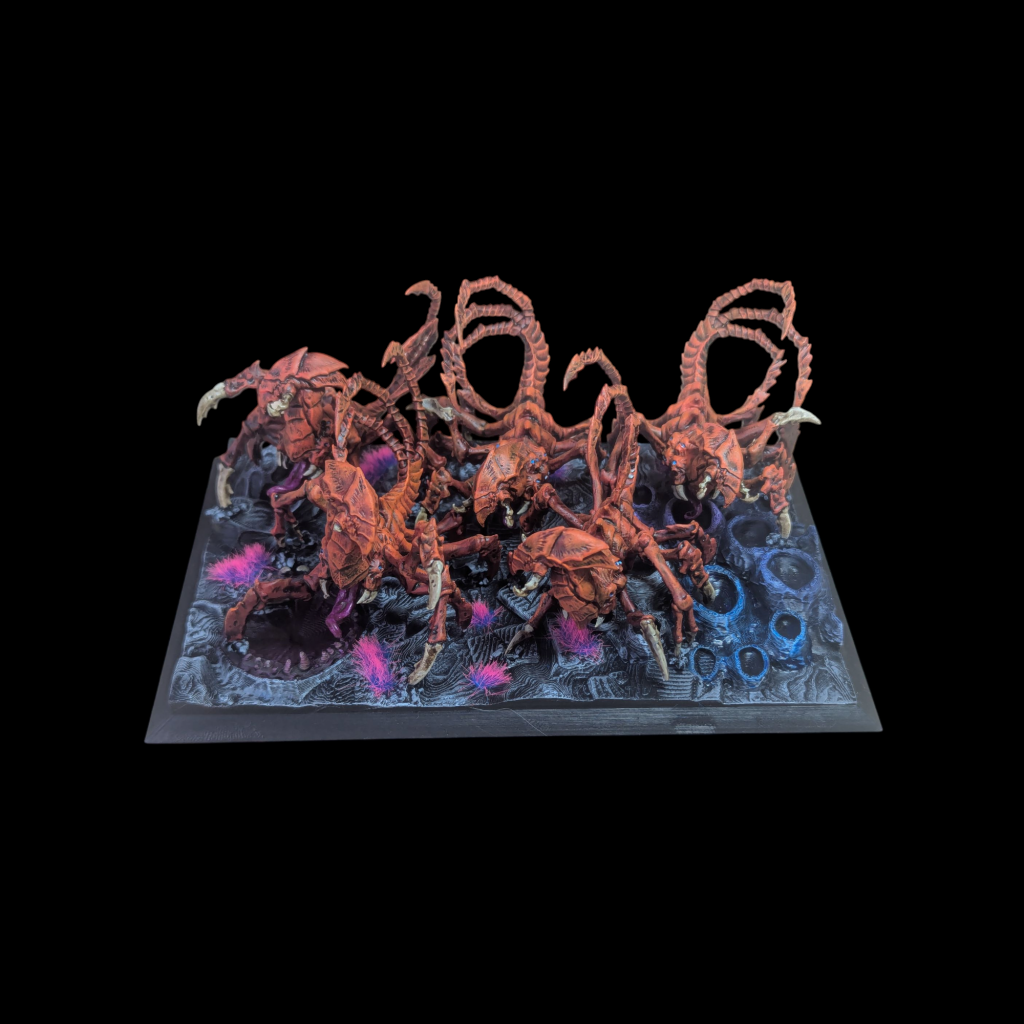 Nightstalker Fiends. Credit: Urr
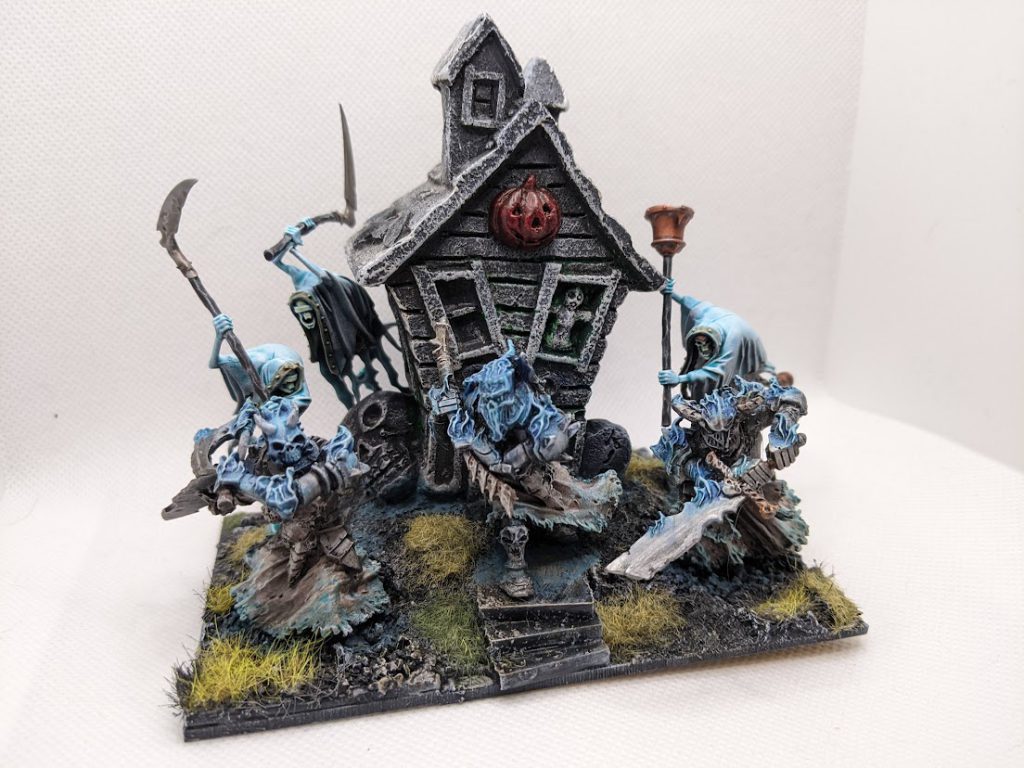 Undead Wights! Credit: Cytoplasm.
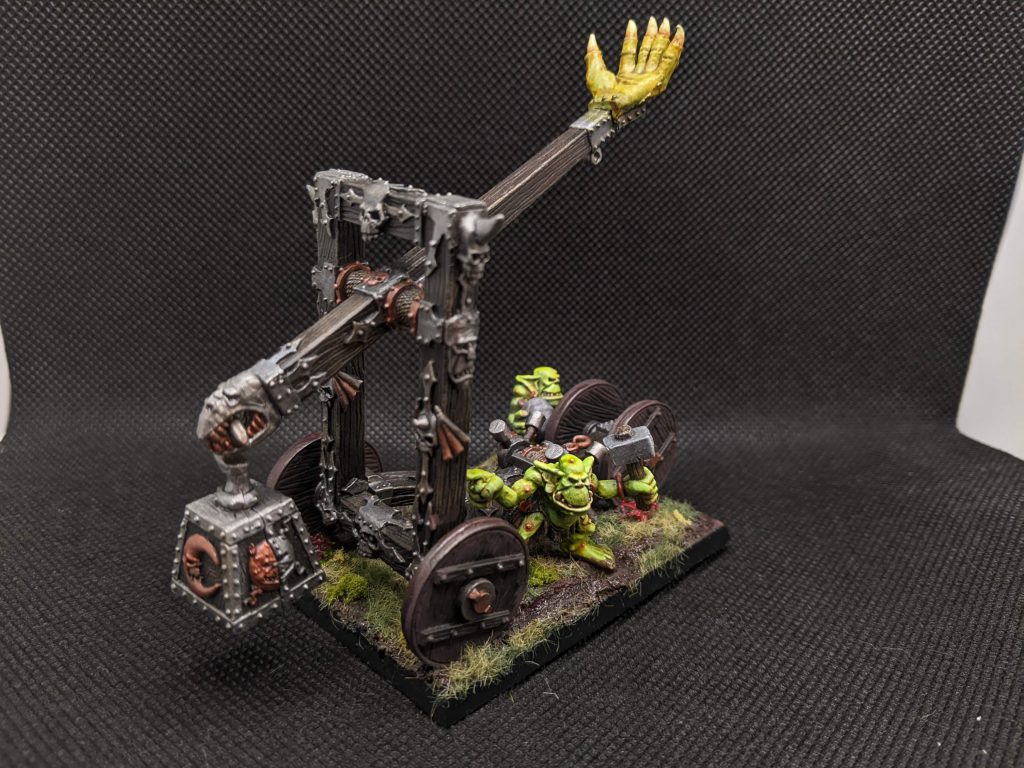 Cytoplasm's Big Rocks Thrower
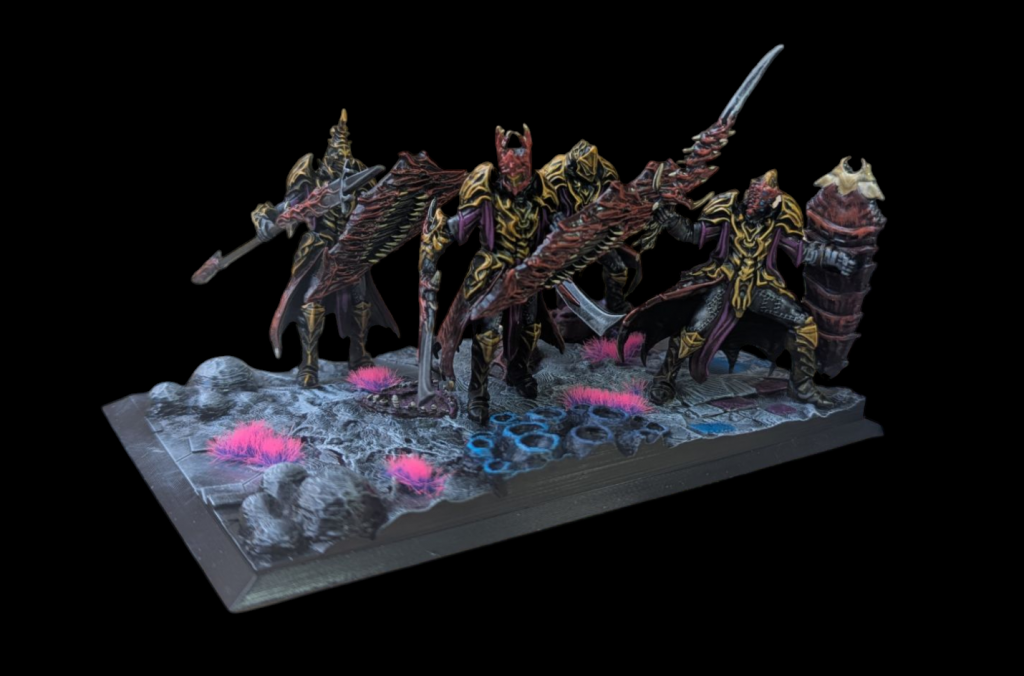 Mantic Game's Twilight Kin Impalers. Credit: Urr

 Goonhammer App and Patron Updates: April, 2026
 Kill Team Tournament Report: Engage, Party, Repeat's March Madness 2026
 Goonhammer Reviews: Tribal Conquest