Welcome to the Century of the Vampire, an ongoing weekly feature where Goonhammer managing editor Jonathan Bernhardt watches some piece of vampire media, probably a movie but maybe eventually television will get a spot in here too, and talks about it at some length in the context of both its own value as a piece of art and as a representation of the weird undead guys that dominate western pop culture who aren’t (usually) zombies.
Last time, Bernhardt reviewed the 2008 Tomas Alfredson movie, Let the Right One In. Today, he looks at the 2010 Matt Reeves movie Let Me In. This article will contain spoilers.
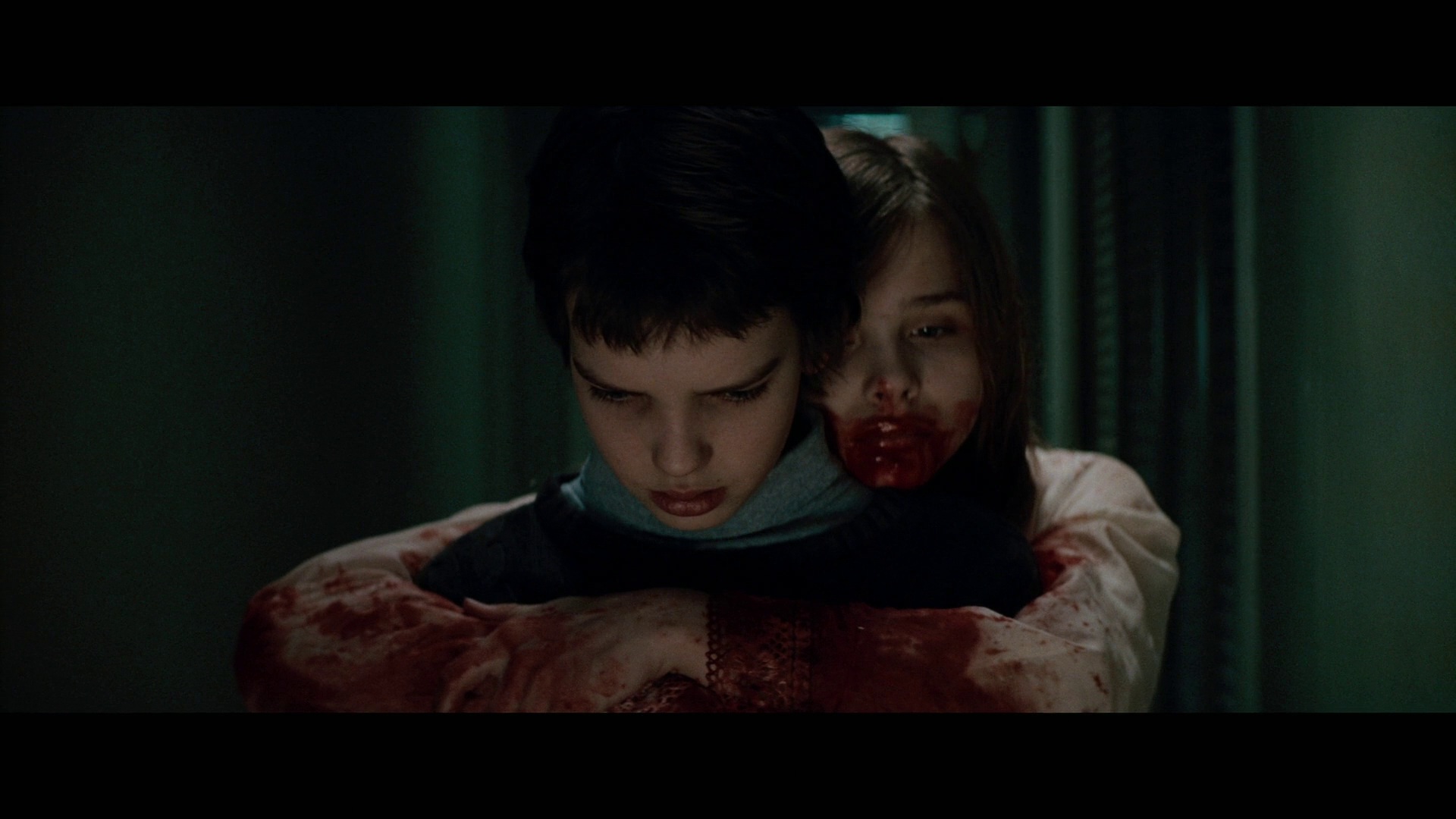
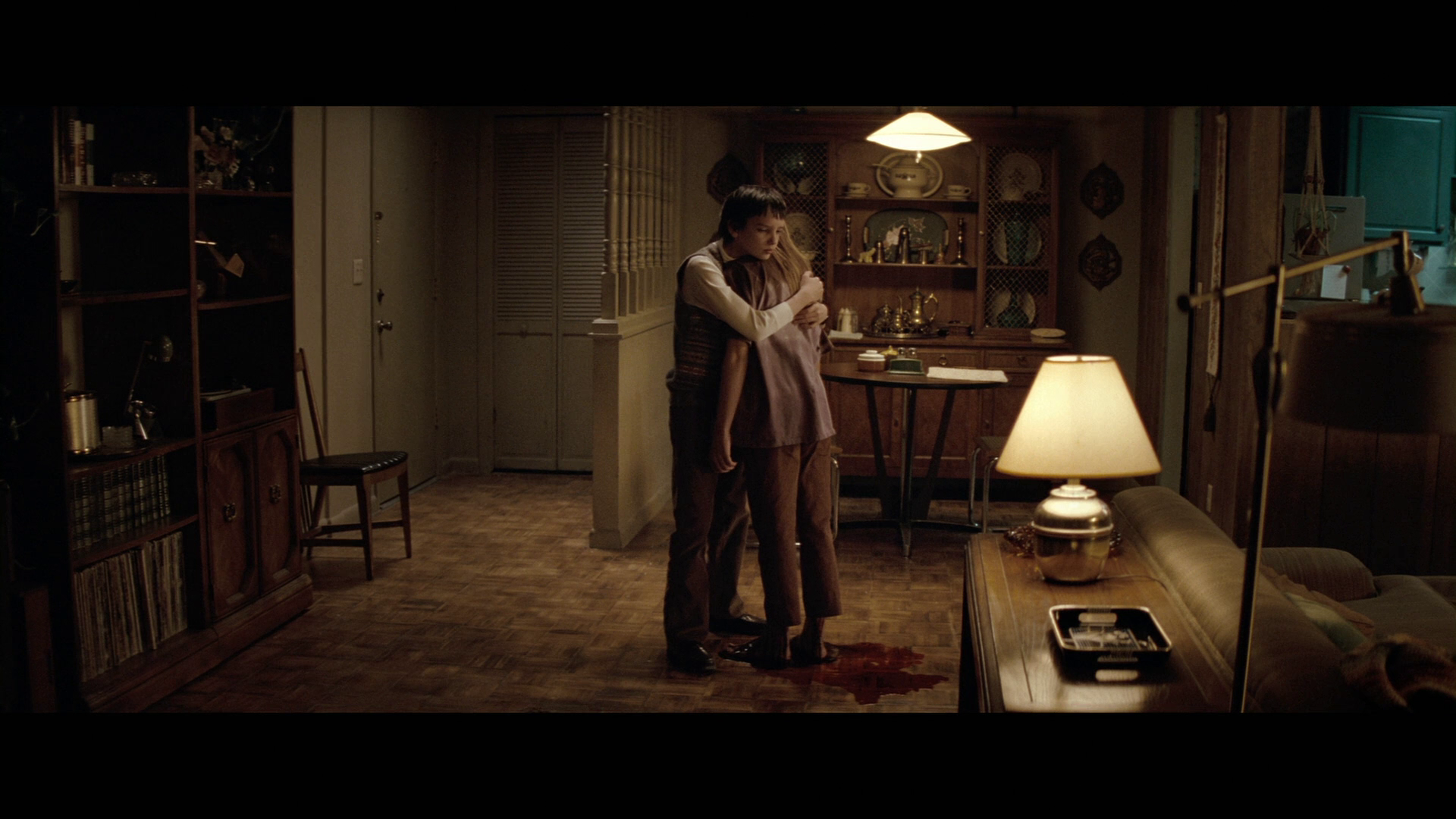
Let Me In is precisely what it promises to be, which is an American remake of Let the Right One In, and wow, is there emphasis on the American.
This is Matt Reeves’s second feature film and first real work of note (his debut was Cloverfield, which has a lot else going on and whose entire deal is overshadowed by the JJ Abrams of it all, as it dropped at the height of Abrams’s power in the industry); the film was something of a flop commercially, but the critical acclaim here got him the Planet of the Apes remake gigs, and from there it was onto The Batman, a project that by next year will have consumed a decade of his life with one feature film and executive producer credit on two HBO Max shows to show for it. I like The Batman and the Apes movies a lot for blockbuster action-thrillers, even if they are too long (The Batman especially)...but you can see where a lot of that stuff comes from starting here, and while the context at the time was that this was a significant step up -- See! Reeves can make a real movie, not just this Abrams popcorn meme crap! -- in retrospect, and especially right after watching the original, you can see the flaws in his approach.
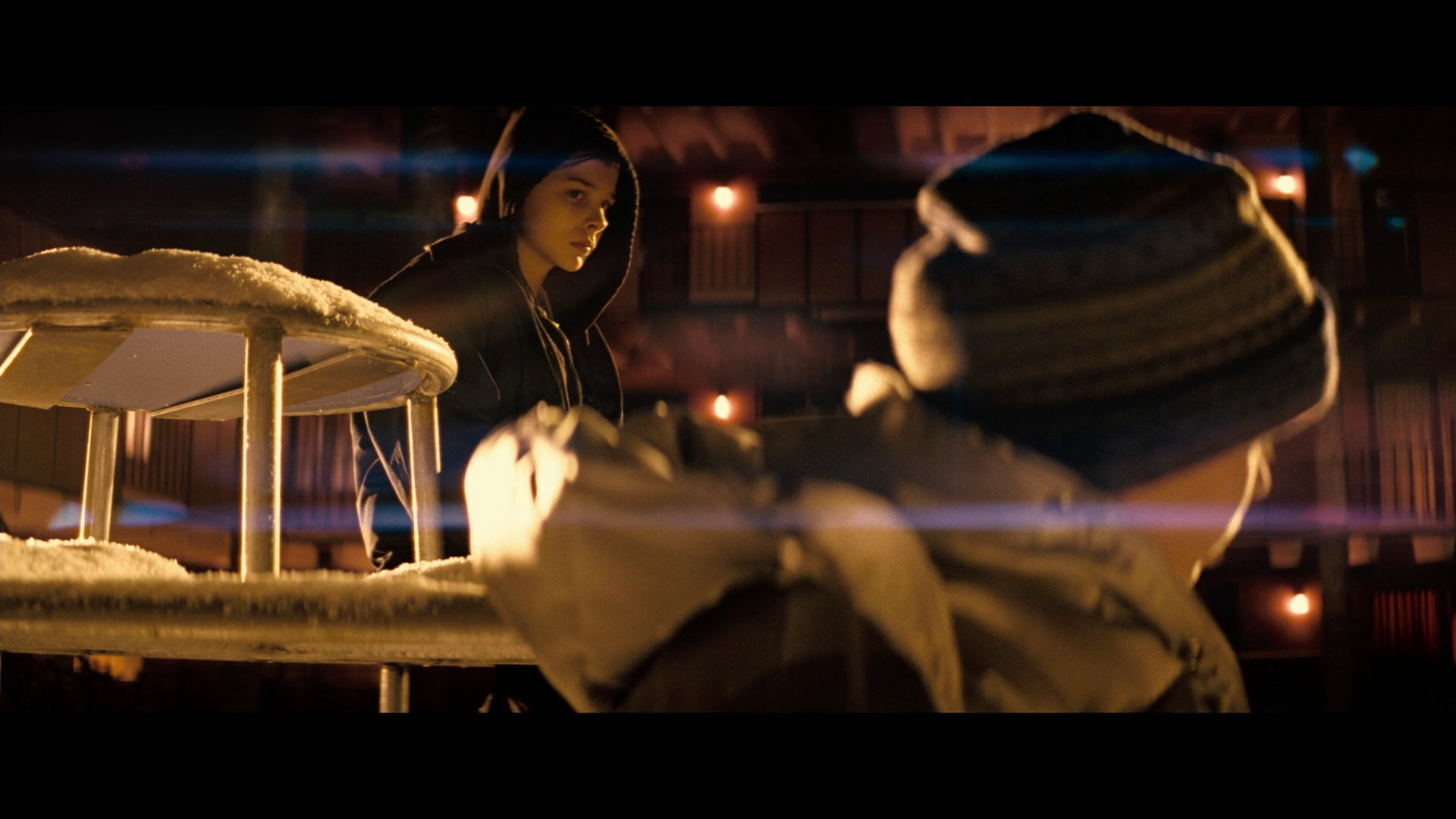
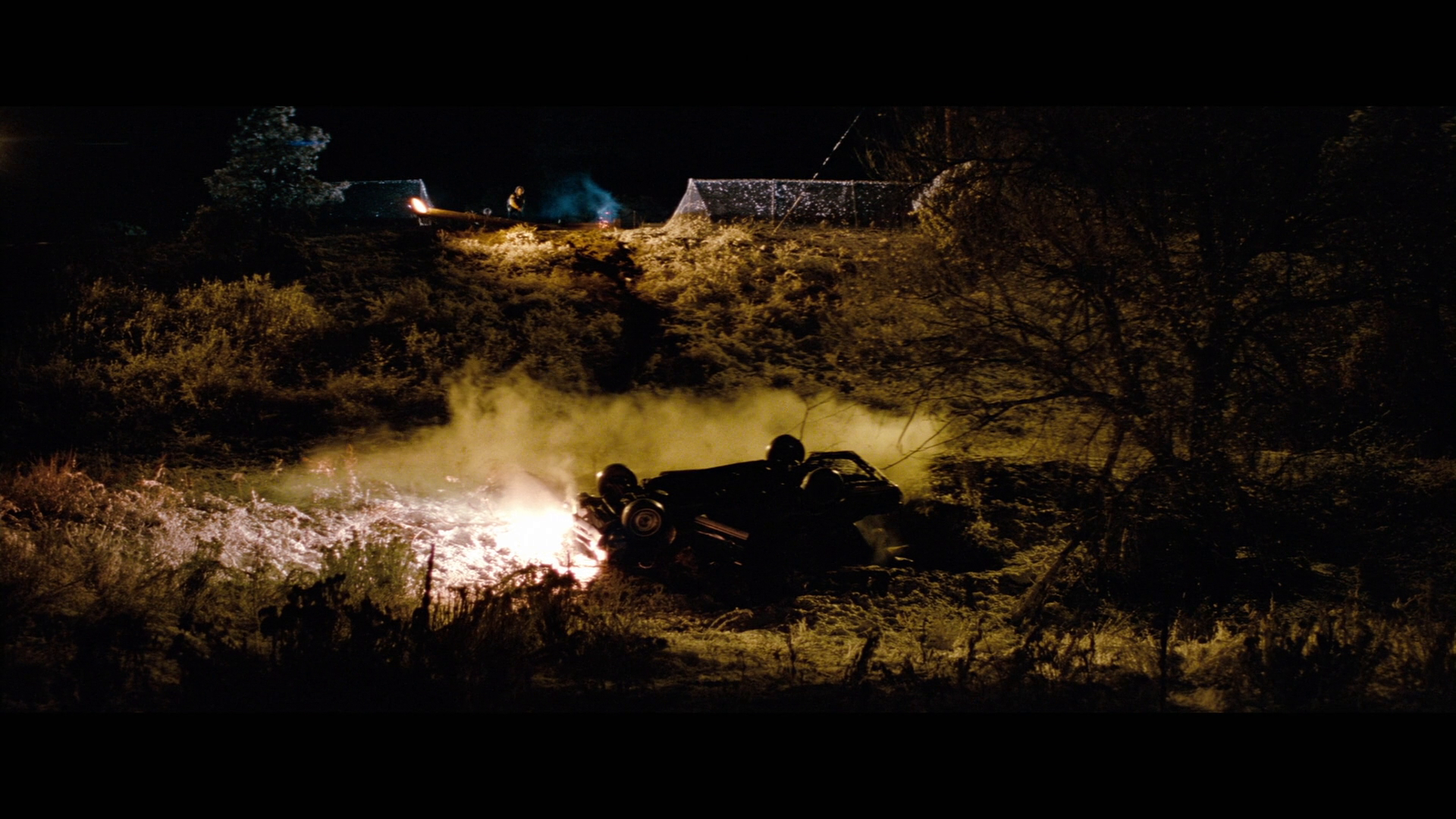
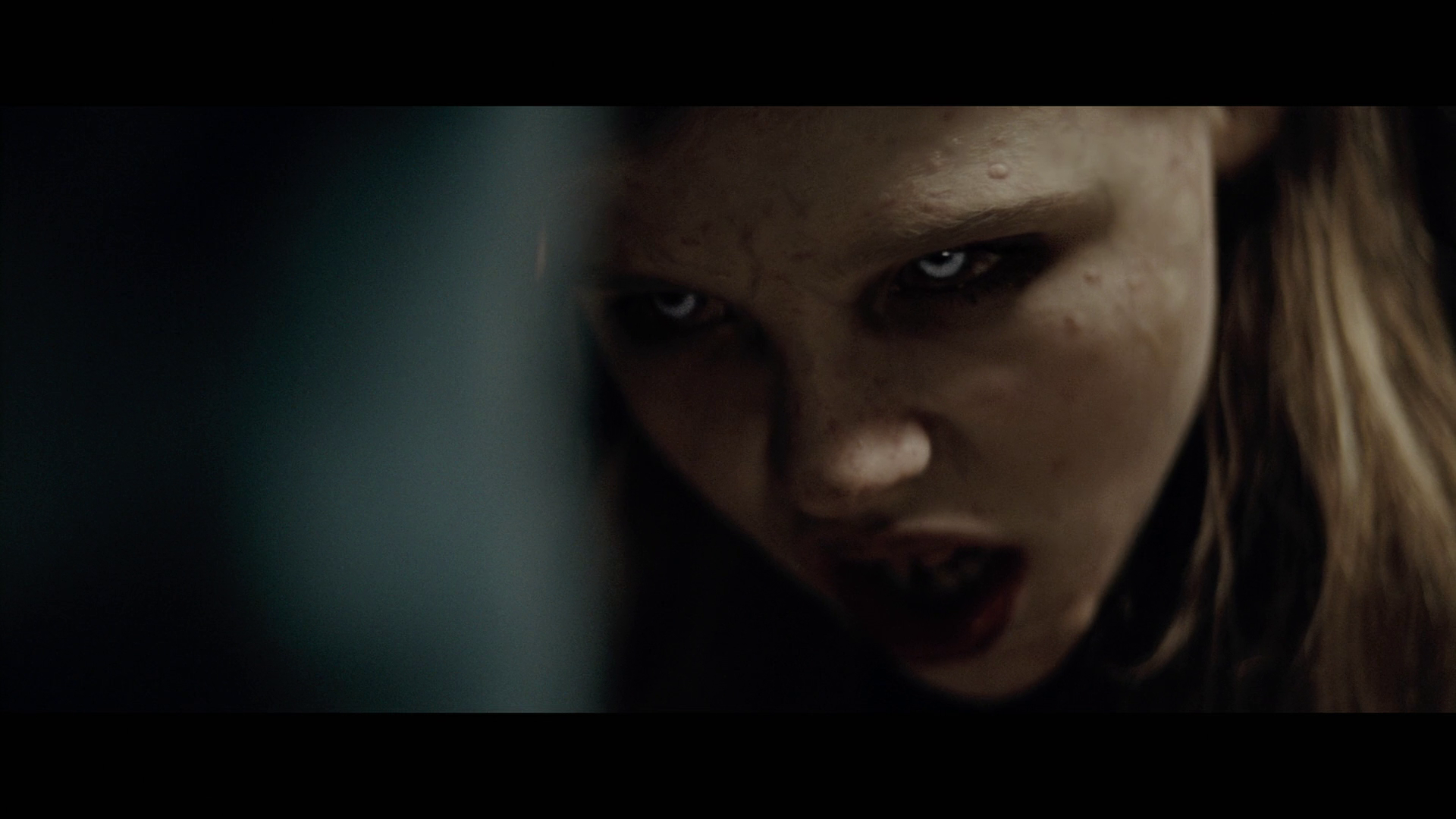
First off, this movie looks like garbage. It looks like very well-made garbage, to be clear; this is an issue of aesthetic, not of craft, and the aesthetic of every movie in 2010 was that it looked like garbage. We’ve got lens flare everywhere, bad color grading, and we’re using shadowy oranges where Let the Right One In loved crisp whites and blues. Those shadows are there to help with the CGI when the action kicks in, and instead of the tricks the original film had for jolting the viewer in quick cuts (for instance, using multiple actors for Eli to make them look older, bigger, and more animalistic when hunting) we’re using CGI-assisted monster makeup on this movie’s vampire child.
Instead of a sleepy exurb of Stockholm, Sweden, we’re in Los Alamos, New Mexico, famous for the nuclear bomb tests and little else -- there doesn’t seem to be any tie-in to that history here; our vampire girl isn’t a child of the nuclear age or anything like that, which is probably the right call. While a way definitely exists to make that take interesting, Matt Reeves ain’t Hideo Kojima, and either way he’s preserving the decision to have Abby (Chloë Grace Moretz) come in from out of town with her older, ambiguously-related manservant (Richard Jenkins), who is unnamed in the script but credited as The Father. Reeves in fact is hewing very very close to the Swedish film adaptation and will change very little, though he tries to throw viewers familiar with the previous film a curveball in the opening seconds of his movie: It opens in medias res, with an ambulance transporting a mutilated Jenkins to the hospital, and with a police officer played by Elias Koteas (also unnamed in the script) arriving to question him just in time for this American Renfield to tumble to his death from the window of his hospital room six stories up.
This police officer character is functionally brand new; there’s a cop with speaking lines in the first movie, but he’s just in a classroom scene that exists to provide us with the character information that Let the Right One in’s version of Owen (Kodi Smit-McPhee) thinks about how to get away with arson and/or murder more than his peers. What Koteas’s cop does instead is step in for the stricken husband character who watches his wife go up in flames in the hospital at sunrise after being bitten by Abby. All of that still happens here, of course, but when it comes time for someone to go into Abby’s apartment and attack her in the tub, that’s a job for the police, not the vengeful husband. It’s very American in its disposition, both in that breaking and entering are much more legible over here as the justified role of the crusading detective than the angry villager -- and that it lets Abby a bit more off the hook ethically if, instead of a grief-stricken husband looking for justified revenge, she’s killing and eating a cop who got a bit too high on his Law Enforcement Powers supply.
Another way the film is very American -- especially the America that I recall from my youth -- is how it changes its approach to gender from the original. Gone almost entirely is the vagueness about Abby’s gender; she’s pretty firmly established as cis; the American Reeves has no interest in touching that at all. The “I’m not a girl” line persists but it is explicitly followed up with the “I’m a monster who eats people”-type line to clarify we’re talking about predator/prey relations, not gender. But gender is still all over this movie; it’s just all focused on Owen. In the original film, the school bullies who taunted him constantly throughout the movie called him “piggy.” Here they straight-up use female pronouns for Owen and call him “girl” some 70% of the time he’s on screen with them. They’re not actually calling him a girl and Owen is not trans; what’s going on is that Reeves wants to get the very real sort of gendered bullying that went on between American boys in both the Eighties and the 2010s into the film, but he wants to do so without a script that has three dozen homophobic slurs. That said, this is all still very much gender, and that makes sense; America has been driving itself crazy about gender in all sorts of ways for more than 70 years, and anyone with eyes to see it can look outside and watch it continue to do so to this day.
Koteas is excellent here, of course, in a fantastically Eighties half-bald wig; the entire cast is great, from Jenkins, who has been an underrated and steady character actor presence in American film ever since he started going gray, to the kids in the lead roles. Moretz is the one of the pair that went on to have the bigger film career, but it’s really Smit-McPhee’s movie in a lot of ways, and he’s still kicking around as a character actor; the most recent thing he’s been in that you’ve probably heard of is The Power of the Dog. He’s grown up into a very strange-looking (complimentary) and striking man and he was almost even more so as a child; as far as, “Oh yeah, adorable but you can definitely see him ten years from now as a guy who guts homeless men in the park for his vampire mistress” goes, it’s great casting and he does very well in the role.
This was a very useful movie for its director and leads, and surely a good paycheck for the rest of the cast, but it’s probably one of the most inessential films covered here so far -- and it’s not our first remake! The two Fright Nights, while recognizably the same basic film premise, were extremely divergent experiences! But this impulse over the last decade or so to immediately turn around a European property with an American remake that remains strictly faithful to the source material excepting that it happens in America and it looks worse -- the Cold Pursuits to the In Order of Disappearances of the world; The Agencys to the Les Bureaus de Légendes -- comes far less from the idea of reinterpreting something old for a new time but instead repurposing a foreign IP for a domestic market. That’s not a new concept, but the speed and faithfulness is. In the case of Cold Pursuit, the studio let Hans Petter Moland direct his own adaptation, and he quite sensibly nodded, said, “I did the film correctly the first time,” and made nearly a shot-for-shot remake of In Order of Disappearance with a higher budget final action sequence. The only reason Let Me In isn’t right up there in that tier of re-shoot remakes is because of Reeves’s conscious, intentional flourishes to beat the charges; the cop character, the in medias res beginning, removing the subplot where his father has left his mother to go live out in the suburbs with another man (also unsurprising for a 2010 American film to cut). It ends up a perfectly fine film, but not one you should watch given the choice between it and the original. It simply was shot at a time when all movies in America looked bad. Arguably that time continues to this day.
Next week, I have been bullied mercilessly by my boss and my readers into reviewing the 2009 Ethan Hawke vehicle Daybreakers.
Have any questions or feedback? Drop us a note in the comments below or email us at contact@goonhammer.com. Want articles like this linked in your inbox every Monday morning? Sign up for our newsletter. And don't forget that you can support us on Patreon for backer rewards like early video content, Administratum access, an ad-free experience on our website and more.
 This website uses cookies. Learn more.


 Goonhammer App and Patron Updates: April, 2026
 Kill Team Tournament Report: Engage, Party, Repeat's March Madness 2026
 Goonhammer Reviews: Tribal Conquest