Welcome to the Century of the Vampire, an ongoing weekly feature where Goonhammer managing editor Jonathan Bernhardt watches some piece of vampire media, probably a movie but maybe eventually television will get a spot in here too, and talks about it at some length in the context of both its own value as a piece of art and as a representation of the weird undead guys that dominate western pop culture who aren’t (usually) zombies.
Last time, Bernhardt reviewed the 2013 Jim Jarmusch movie Only Lovers Left Alive. Today, he looks at the 2023 Pablo Larraín film, El Conde. This article will contain spoilers. This is bolded this week because the turn in the third act will be discussed immediately and is of main importance to the work.
It’s very important to note that a satire isn’t a comedy, just as a matter of genre and general mechanics, though a work can be both. Specifically, a satire merely has to be ridiculous -- it doesn’t have to be funny. El Conde is a satire, but it very much is not a comedy, except in the sense that by the end of its runtime it has become so patently ridiculous that describing it becomes funny in and of itself.
So. El Conde is a movie made about vampire August Pinochet, narrated by vampire Margaret Thatcher. This is presented as a reveal and it is in fact a pretty surreal moment if you aren’t aware it’s coming, which is why I’ve put the warning about spoilers at the top, but it’s a hard film to talk about it without putting all of its cards fully on the table. The plot is as follows: Pinochet has been a vampire for some three centuries, having faked his death multiple times, most recently as the dictator of Chile. He has lost the desire to live, and is preparing to leave the mortal realm for good. His irritating, disgusting children gather at his remote foreboding estate, and hire on a forensic accountant to help put the estate of “The Count” in order, hungry for their inheritance. This accountant is secretly a nun, who has come to kill Pinochet. However, Pinochet finds himself reinvigorated over the course of events as his butler and his family spar with the accountant; he begins stalking Chile once again, taking his murderous pleasures in the night, and when the nun finally confronts him to attempt to kill him, he instead seduces her, fucks her, and turns her into a vampire.
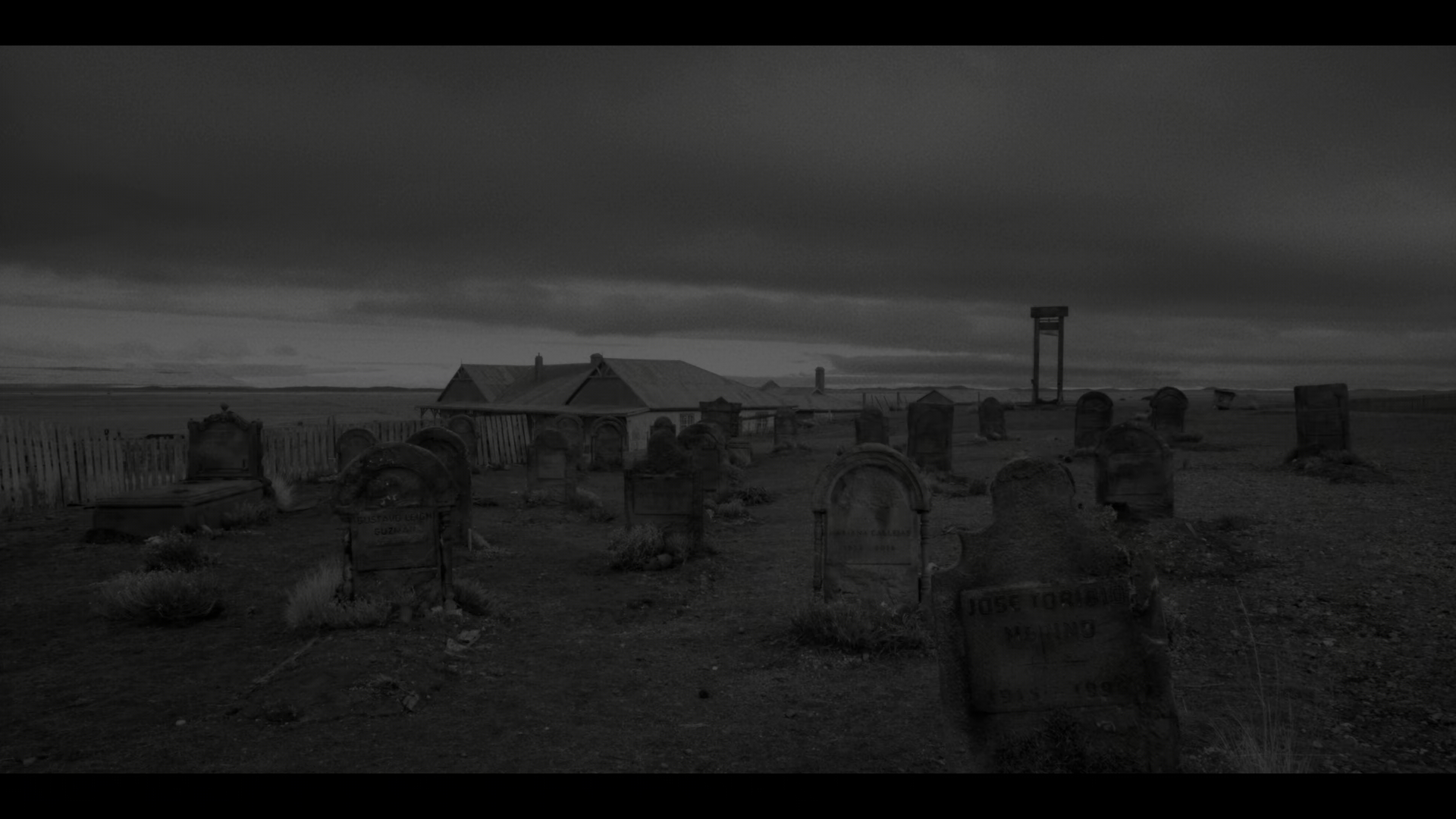
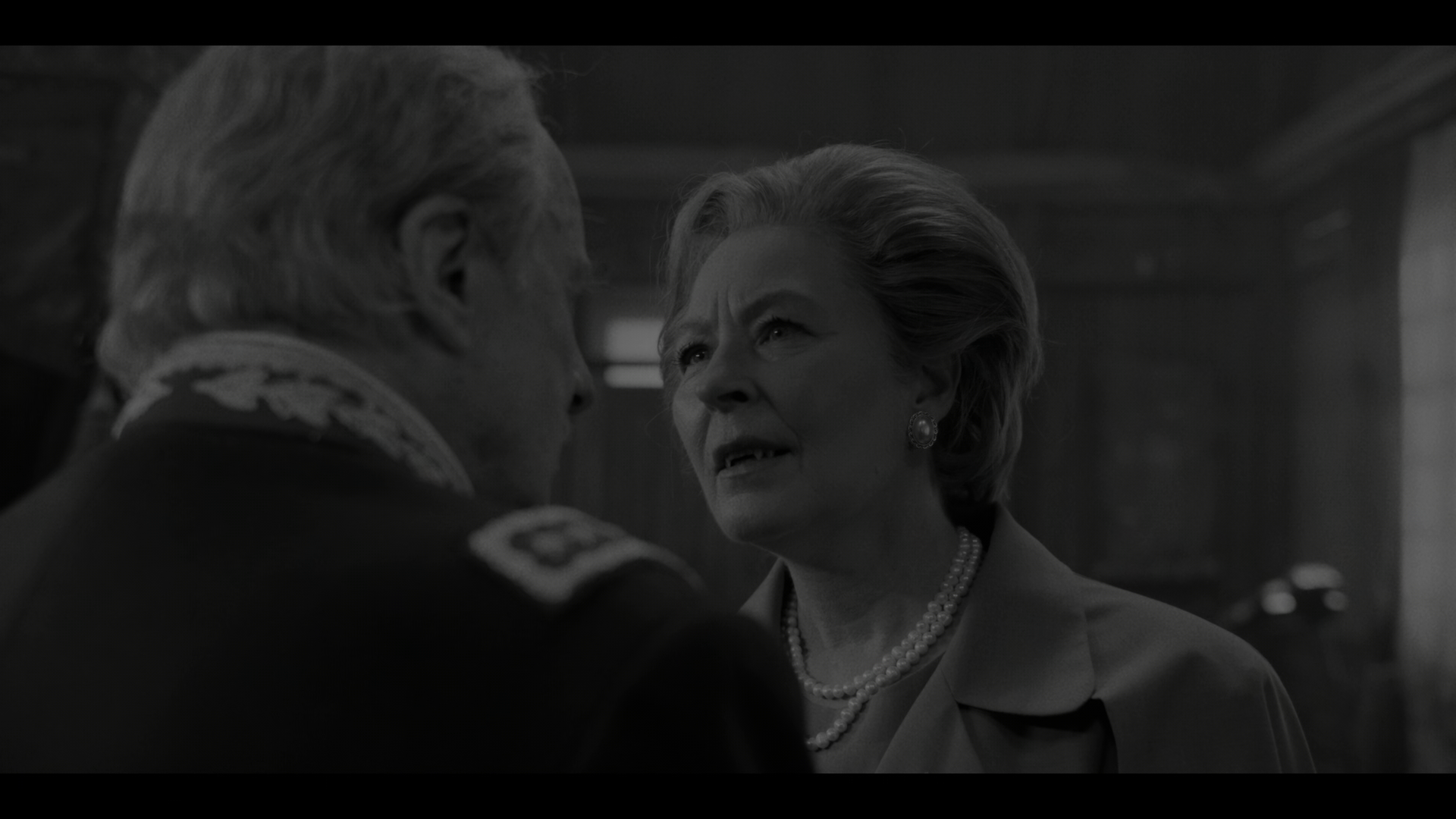
The narrator, who has been dryly explaining events up to this point, disapproves; then Thatcher, dressed like you remember her, flies in from out of the sky and reprimands Pinochet, who is -- because satire is ridiculous and not subtle -- her literal son. The nun attempts to flee, but the butler catches her, burns her evidence, and executes her at the fanciful guillotine in the center of the estate that Pinochet (originally a French royalist soldier on the losing side of the French Revolution) had erected as a sort of monument to Marie Antoinette. The butler and Pinochet’s wife (who the butler has turned into a vampire) turn on the Count and attempt to kill him to gain their various inheritances, but the rejuvenated monster dispatches them. The spoiled children are reduced to inheriting only what is left of the ramshackle estate, now on fire, as Pinochet and Thatcher flee; feasting on the hearts of the butler and Pinochet’s wife, since they were vampires, de-ages both of them. The movie closes with Thatcher, now in her forties, taking Pinochet, now some ten years old, to an elite private boy’s school in Santiago; he will grow up and return to Chile, now that there are leftists there to kill once again.
The least important people in this plot summary are the children; they get a substantial amount of screentime, because in their venality, arrogance, and stupidity they’re quite important for the non-plot parts of this film: The critique of Chilean aristocracy, which is in fact the borderless aristocracy of capital of which even the vampires Thatcher and Pinochet are a minor part; the critique of the social history of post-Pinochet and now modern Chile, and the assessment that not only can the horrors of the dictatorship return, but in many ways the groundwork is being laid for them to come back right now. The fulcrum of the film comes as the secret nun, Carmen, deposes the entire family with regards to their wealth and estate -- and how it came to be -- intercut with Pinochet flying into the capital city and hunting in the night once again. Being as this film was made in 2023, it’s difficult to tell how intentional it is that the elderly monster Pinochet in profile resembles Donald Trump in his sourness, his squintiness, the fat under his chin and the perpetual scowl; the ghost of Trump is going to haunt the world for decades after he is gone, and he’s not even gone yet. If you want to understand why Chileans would make a film like this about Pinochet, consider what we’re going to get up to with our own imperial monster after he has left the world stage in order to process our anger, our shock, and our guilt at our own complicity.
Paula Luchsinger as Carmen is far and away the star of the show; it should be a starmaking role for her even if the role itself was a bit thinly-plotted, especially by the end. Everything from the moment of her confronting Pinochet onwards -- the sex scene where she is turned into a vampire, the montage of excess as she dresses up as Marie Antoinette and luxuriates in being a vampire, her capture by the butler while hiding the documents for her fellow nuns and seeming willingness to be led to the guillotine and beheaded -- is beautifully shot and mostly seems to happen since it must happen, with very little interiority for Carmen the moment Thatcher, the narrator, enters the film. Perhaps understandably, she makes things considerably more about herself from that point forward, even when discussing the nun. The performance is still fantastic, though, and her biting politeness during the first two-thirds of the film is central to the character as she lays the groundwork for what’s to come.
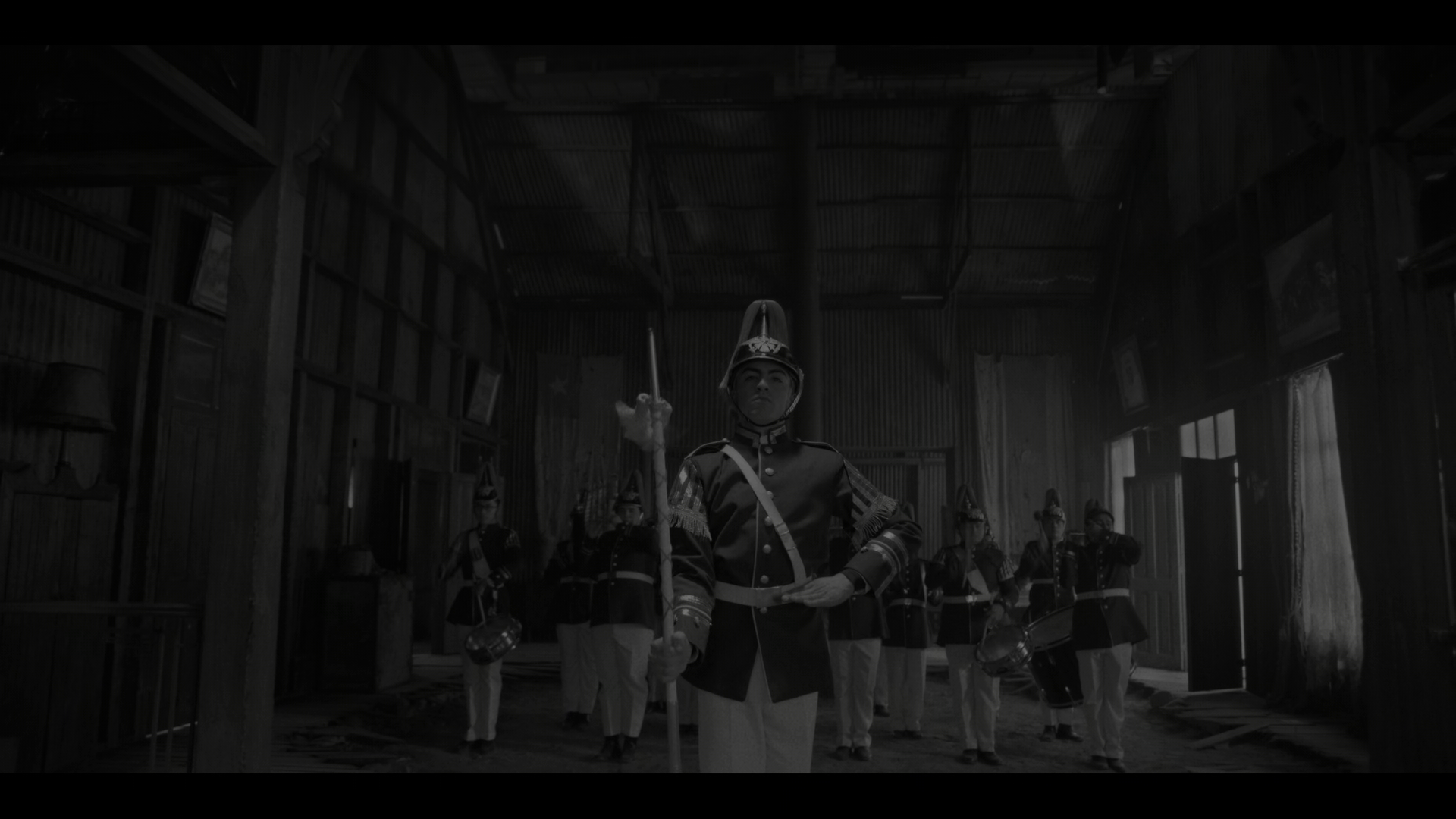
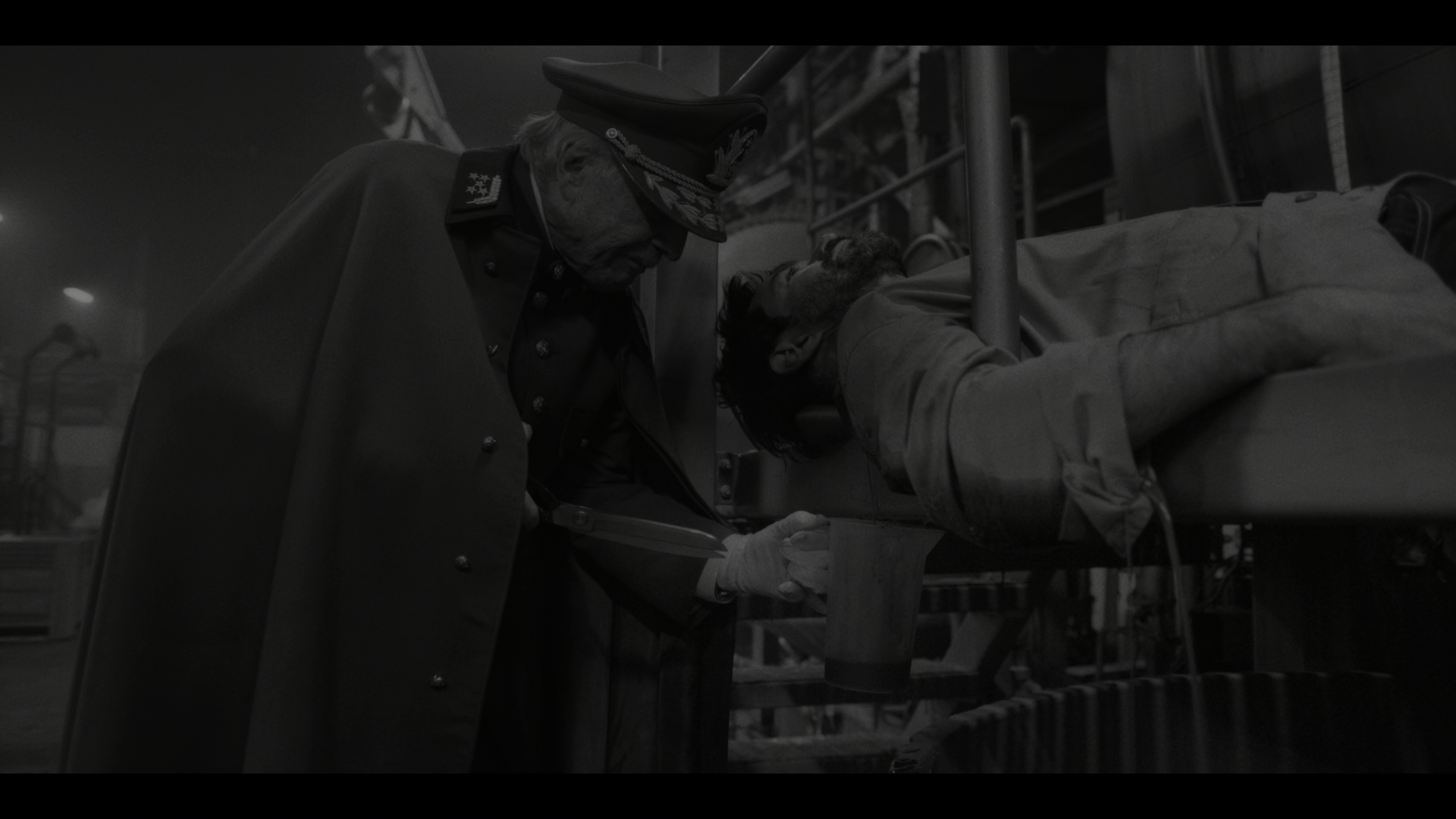
The film is shot in black and white and shot well for it; we only feature a few here, but I think I took more screenshots for this film than any other I've reviewed so far, even more than last week's Only Lovers Left Alive. I think I still prefer the look of Jarmusch's film, but I clearly found something about this one more compelling in some way. Director Larraín and cinematographer Edward Lachman take advantage of their environment in staging the majority of the action to take place at Pinochet’s remote estate, with a lot of wide open space and horizon for lighting the outdoor shots and a lot of dark interiors for light to pour into. And that’s before they set the whole thing on fire.
And they are outside during the day a lot, even the vampires; the rules of vampirism here are what they need to be to get the images and themes they want across. Daylight doesn’t pose any threat to them, only staking and beheading -- as noted in previous columns, regular people die when that happens to them as well, so it doesn’t alienate them physically from humanity as much. As you might expect from a satire about far right aristocratic monsters, it’s the social behaviors that alienate them -- the ritual feeding and drinking of blood from the poor, especially the young, especially the women. The conceit around eating hearts is unusual in the popular canon of western vampire media, and this is the first time I’ve encountered the idea that eating the hearts of other vampires will magically de-age the undead; it’s fairly clear this is not supposed to be viewed as some sort of worldbuilding that should make you ask questions about why Pinochet wasn’t maximizing his dread nutrition to remain 29 forever, but is instead a blunt-force metaphor for the revitalization of the far right political movement that Pinochet represented in the modern day.
I appreciated the film and am glad I watched it, but I would not call it a particularly fun time, though watching the various less-important vampires get theirs is amusing. It won’t leave you feeling all that great; the only likeable or “good” character in the film, Carmen, gets comprehensively defeated across every front that it is possible for her to suffer defeat across before she’s finally allowed to die. In the end, the vampires are ascendant, in Chile and elsewhere across the globe. But it’s worth your time to check out the art being made about their rise in the margins.
Have any questions or feedback? Drop us a note in the comments below or email us at contact@goonhammer.com. Want articles like this linked in your inbox every Monday morning? Sign up for our newsletter. And don't forget that you can support us on Patreon for backer rewards like early video content, Administratum access, an ad-free experience on our website, and subscriber-only content covering competitive Warhammer 40K!
 This website uses cookies. Learn more.



 Goonhammer App and Patron Updates: April, 2026
 Kill Team Tournament Report: Engage, Party, Repeat's March Madness 2026
 Goonhammer Reviews: Tribal Conquest