
Welcome to the Century of the Vampire, an ongoing weekly feature where Goonhammer managing editor Jonathan Bernhardt watches some piece of vampire media, probably a movie but maybe eventually television will get a spot in here too, and talks about it at some length in the context of both its own value as a piece of art and as a representation of the weird undead guys that dominate western pop culture who aren’t (usually) zombies.
Last time, Bernhardt reviewed the 2014 Mark and Daniel Waters movie Vampire Academy. Today, he looks at the 1992 Guillermo del Toro film, Cronos. This article will contain spoilers.
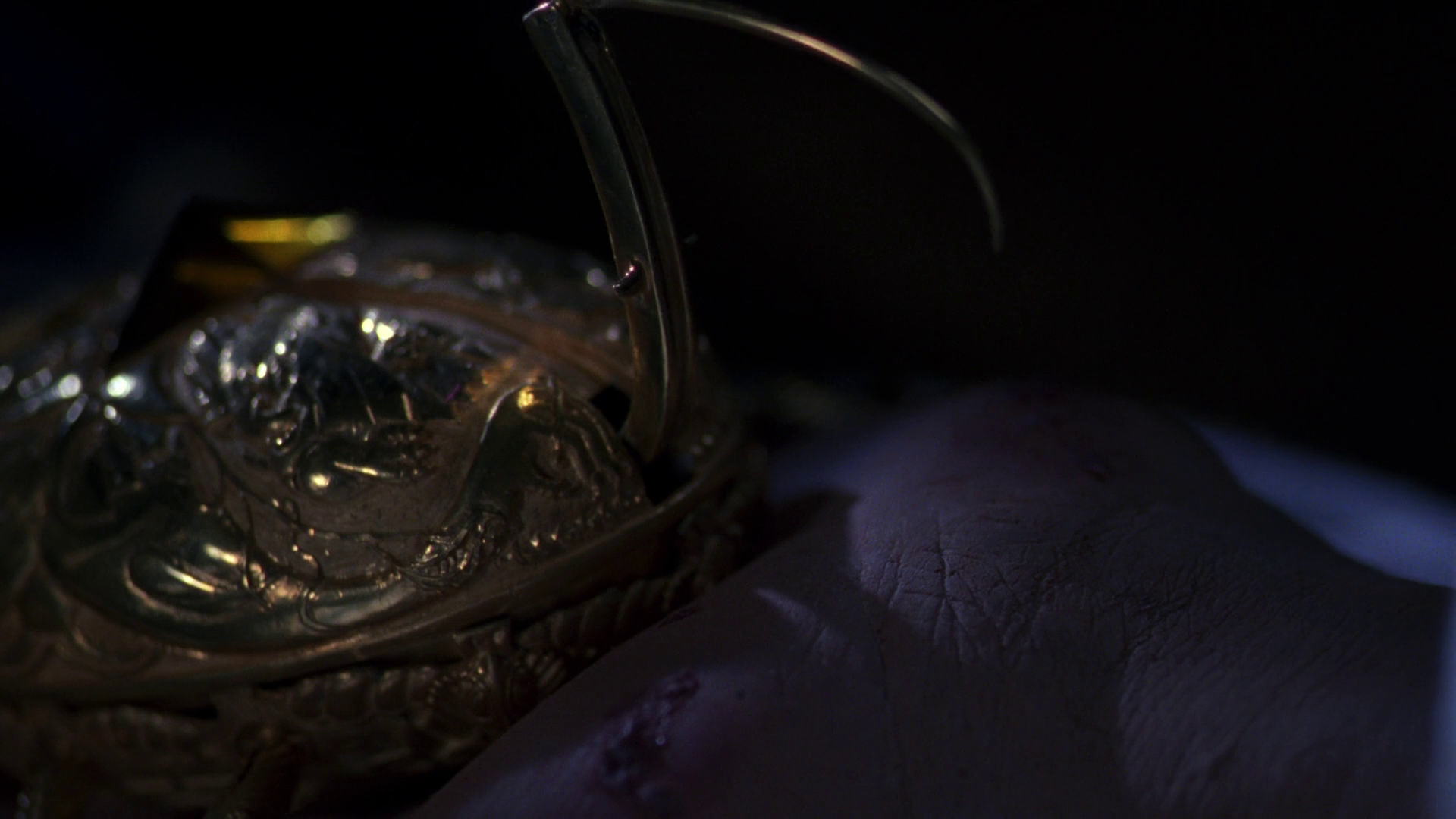 Difficult to tell if this is a great movie or merely a very good one that has the benefit of sequencing in after one of the most dire entries in this feature so far; Cronos is well worth your time either way. The plot is very simple: There’s a scarab device with a bug inside of it that drinks a human host’s blood in order to give them vampiric immortality with insectoid characteristics, and the good man who finds it must then struggle against bad men, the vampire’s curse, and himself. The movie has maybe eight sets, with most of the shooting taking place in a house and in a warehouse, all of them fairly easy for an independent film to furnish at a low budget, with one striking exception. As always, the charm and the quality of such a picture depend on the skill of the craftsmen involved, and while Cronos is not one of del Toro’s most well-known films, it is one of his best -- which is somewhat remarkable, as it’s also his debut feature.
Jesus Gris (Federico Luppi), the elderly owner of an antiques shop, discovers the device in his possession inside an archangel statue after Angel (Ron Perlman), nephew of dying industrial magnate Dieter de la Guardia (Claudio Brook) and his agent in the search for the bug, snoops around his shop. Dieter is obsessed with obtaining the bug to achieve immortality; he has the ancient instructions on how to use it, but Gris has the device, and the device is hungry. He is accidentally bitten and begins to succumb.
Difficult to tell if this is a great movie or merely a very good one that has the benefit of sequencing in after one of the most dire entries in this feature so far; Cronos is well worth your time either way. The plot is very simple: There’s a scarab device with a bug inside of it that drinks a human host’s blood in order to give them vampiric immortality with insectoid characteristics, and the good man who finds it must then struggle against bad men, the vampire’s curse, and himself. The movie has maybe eight sets, with most of the shooting taking place in a house and in a warehouse, all of them fairly easy for an independent film to furnish at a low budget, with one striking exception. As always, the charm and the quality of such a picture depend on the skill of the craftsmen involved, and while Cronos is not one of del Toro’s most well-known films, it is one of his best -- which is somewhat remarkable, as it’s also his debut feature.
Jesus Gris (Federico Luppi), the elderly owner of an antiques shop, discovers the device in his possession inside an archangel statue after Angel (Ron Perlman), nephew of dying industrial magnate Dieter de la Guardia (Claudio Brook) and his agent in the search for the bug, snoops around his shop. Dieter is obsessed with obtaining the bug to achieve immortality; he has the ancient instructions on how to use it, but Gris has the device, and the device is hungry. He is accidentally bitten and begins to succumb.
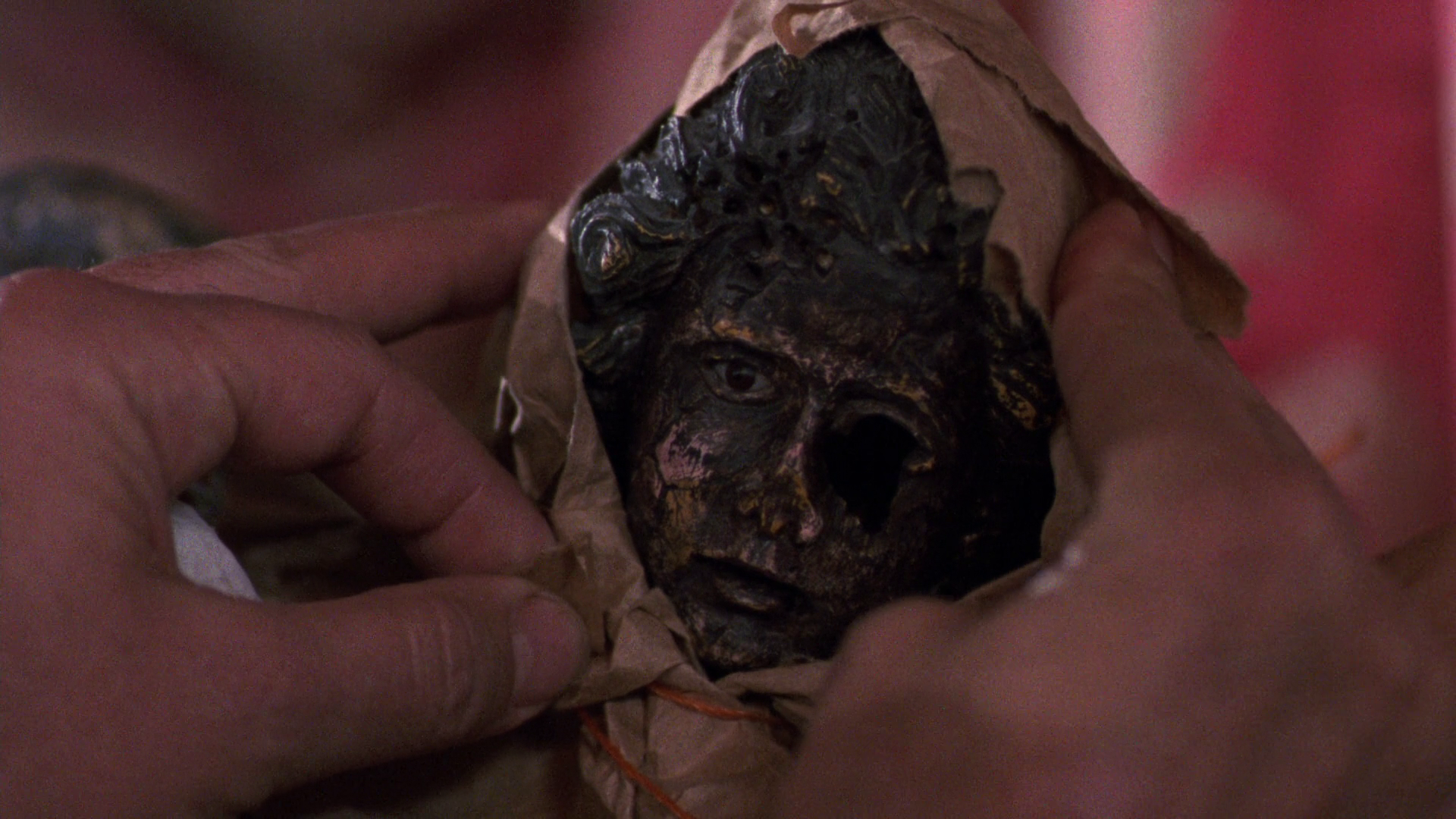 The effects of the bug’s gift are at first wholly beneficial; Gris regains some of his youth and all of his vigor, and then some. Then, of course, he begins thirsting for blood. Angel, who has been stalking him, delivers him to Dieter so the men can have a reckoning; it ends with Gris revealing he’s hidden the device and fleeing Dieter’s warehouse. Angel kidnaps Gris from a New Year’s party where Gris’s blood thirst over powers him and he tries to drink the remains of a man’s nosebleed in the bathroom; he accidentally beats Gris to death while trying to get the location of the bug from him, and then stages an automobile crash to hide his crime. Gris, dead, is taken to the mortician and the funeral home for a wake and cremation; he gets up and leaves before his corpse can be put through the oven in a great sequence of low-budget filmmaking where an open lid and a door left ajar clue the viewer in to what has happened while the inattentive mortician’s assistant is off in his own little world.
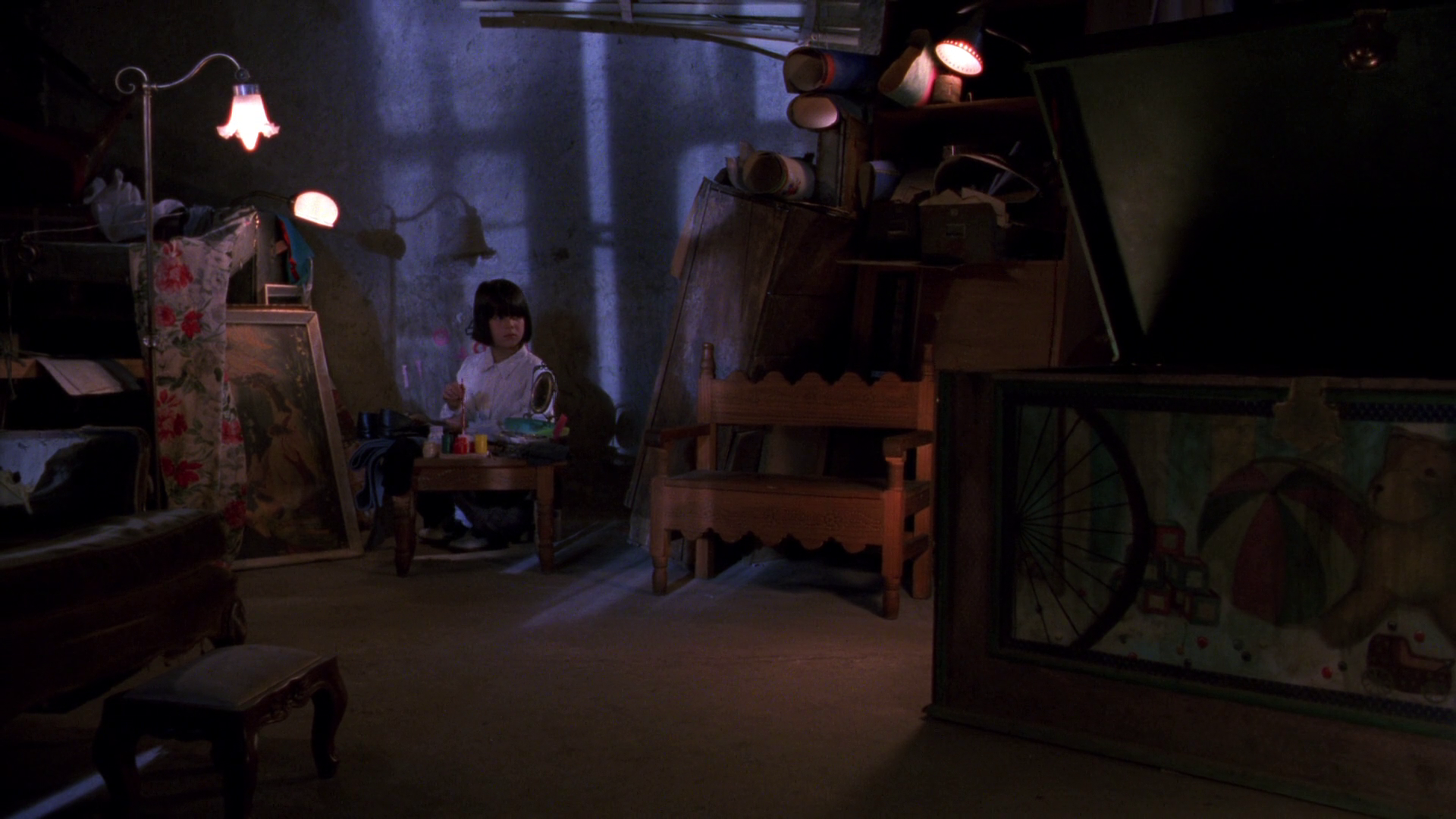
Gris returns home and is greeted at the door by Aurora (Tamara Shanath), his granddaughter, whose parents are dead and who lives with him and his wife Mercedes (Margarita Isabel). Aurora has been lingering around the film the whole time; early in the first act, she sees the bug feed on Gris for the first time and then steals it from Gris’s hiding place in order to keep it from hurting him again -- he of course cajoles her into giving it back to him. Now as the dead man’s body falls apart, she becomes his caretaker, taking him to her playspace in the separate attic on the roof and letting him sleep in her toy chest as the sun rises and burns his skin; the image of a child’s chest of toys serving as a vampire’s coffin is one of the better ones in the movie, especially as the film plays it totally straight without a hint of horror. The relationship between Gris and Aurora is always gentle, even as Gris transforms further and further; he leaves a note for his wife and heads off to see Dieter one more time for the final showdown.
The effects of the bug’s gift are at first wholly beneficial; Gris regains some of his youth and all of his vigor, and then some. Then, of course, he begins thirsting for blood. Angel, who has been stalking him, delivers him to Dieter so the men can have a reckoning; it ends with Gris revealing he’s hidden the device and fleeing Dieter’s warehouse. Angel kidnaps Gris from a New Year’s party where Gris’s blood thirst over powers him and he tries to drink the remains of a man’s nosebleed in the bathroom; he accidentally beats Gris to death while trying to get the location of the bug from him, and then stages an automobile crash to hide his crime. Gris, dead, is taken to the mortician and the funeral home for a wake and cremation; he gets up and leaves before his corpse can be put through the oven in a great sequence of low-budget filmmaking where an open lid and a door left ajar clue the viewer in to what has happened while the inattentive mortician’s assistant is off in his own little world.
Gris returns home and is greeted at the door by Aurora (Tamara Shanath), his granddaughter, whose parents are dead and who lives with him and his wife Mercedes (Margarita Isabel). Aurora has been lingering around the film the whole time; early in the first act, she sees the bug feed on Gris for the first time and then steals it from Gris’s hiding place in order to keep it from hurting him again -- he of course cajoles her into giving it back to him. Now as the dead man’s body falls apart, she becomes his caretaker, taking him to her playspace in the separate attic on the roof and letting him sleep in her toy chest as the sun rises and burns his skin; the image of a child’s chest of toys serving as a vampire’s coffin is one of the better ones in the movie, especially as the film plays it totally straight without a hint of horror. The relationship between Gris and Aurora is always gentle, even as Gris transforms further and further; he leaves a note for his wife and heads off to see Dieter one more time for the final showdown.
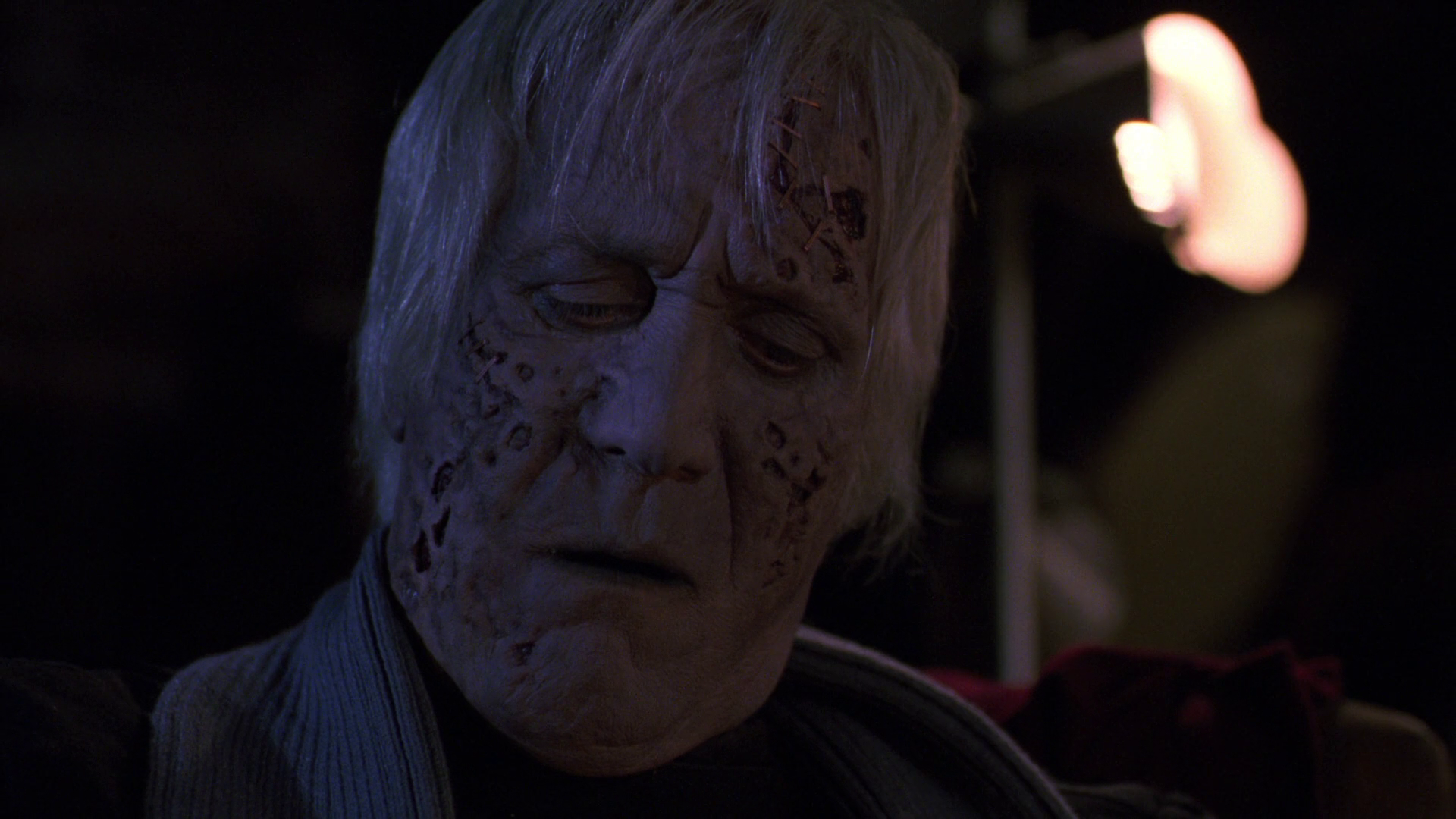
 Aurora sneaks in to join him of course; unable to send her away, Gris takes her up to the dying magnate’s penthouse apartment. Dieter bids Gris to start peeling off his wilting skin; he does to reveal a milky white carapace beneath, the final form of the bug vampire. They engage in an argument over the virtues of eternity and how they could or could not work together; Dieter, intending to immediately betray Gris using the knife concealed in the hilt of his cane, offers Gris a deal whereby they share the bug; Gris insists he wishes to be released from the curse. So Dieter stabs him, many times, but when he attempts to cut out Gris’s heart on the floor of the room, Aurora brains him with that same cane he tossed aside. They attempt to escape, but Angel first finds Dieter and finishes him off, then chases the vampire and his granddaughter onto the roof. After a thorough beating at Angel’s hands, Gris realizes only one of them can survive the fall, and tackles the man off the roof, sending them both through the skylight stories below. Aurora puts the bug on Gris’s corpse to feed one last time, and rejuvenated, he destroys the device, killing the bug and breaking the cycle of the curse. The movie ends with Gris, fully white-skinned and transformed, peacefully dying in bed as the sun rises, surrounded by his wife and granddaughter.
A perfectly fine plot, and compact too -- we’re in and out in 93 minutes. Again, however, the craftsmanship is the point, and del Toro shows the bones of the mastery that are on display in the back half of his career even to this day, where he’s winning Best Picture and getting to direct 150 minute adaptations of Frankenstein. (Looking at the design of becoming-a-bug Gris in this film and his relationship with his granddaughter, it’s very clear that Frankenstein influenced his work even as far back as Cronos.) I previously mentioned the movie’s sets, and most are the sorts of sets you see on many independent films -- here is someone’s house used for a number of scenes; there is a warehouse that’s been rented out and dressed up in places to be used for our big set piece fights and chases. But del Toro decided to spend a lot of budget (I assume, maybe he somehow put this together on the cheap) on a set full of practical effects and full-sized props that shows the inside of the device, with the immortal vampiric bug sitting in its clockwork throne nestled at the heart of a complex lattice of golden gears. Obviously it would have to be all practical work; the film was made in 1992 and wholly independently funded and produced in Mexico, there was no expensive visual effects suite to put this together with computers. Del Toro couldn’t even go over to Industrial Light & Magic and ask for their help; Cronos’s entire budget, not just effects but everything, came in at $2 million. Whatever the spend on that set, he gets his money’s worth from it, going back there every time the bug device comes into play in the film. It’s striking and inventive, and you’ll probably recognize the color-forward fascination with reds and golds from, say, his later Hellboy work. (This is hardly a stretch on my part; Hellboy creator Mike Mignola literally drew the cover piece for the Criterion Collection edition of the film.)
Aurora sneaks in to join him of course; unable to send her away, Gris takes her up to the dying magnate’s penthouse apartment. Dieter bids Gris to start peeling off his wilting skin; he does to reveal a milky white carapace beneath, the final form of the bug vampire. They engage in an argument over the virtues of eternity and how they could or could not work together; Dieter, intending to immediately betray Gris using the knife concealed in the hilt of his cane, offers Gris a deal whereby they share the bug; Gris insists he wishes to be released from the curse. So Dieter stabs him, many times, but when he attempts to cut out Gris’s heart on the floor of the room, Aurora brains him with that same cane he tossed aside. They attempt to escape, but Angel first finds Dieter and finishes him off, then chases the vampire and his granddaughter onto the roof. After a thorough beating at Angel’s hands, Gris realizes only one of them can survive the fall, and tackles the man off the roof, sending them both through the skylight stories below. Aurora puts the bug on Gris’s corpse to feed one last time, and rejuvenated, he destroys the device, killing the bug and breaking the cycle of the curse. The movie ends with Gris, fully white-skinned and transformed, peacefully dying in bed as the sun rises, surrounded by his wife and granddaughter.
A perfectly fine plot, and compact too -- we’re in and out in 93 minutes. Again, however, the craftsmanship is the point, and del Toro shows the bones of the mastery that are on display in the back half of his career even to this day, where he’s winning Best Picture and getting to direct 150 minute adaptations of Frankenstein. (Looking at the design of becoming-a-bug Gris in this film and his relationship with his granddaughter, it’s very clear that Frankenstein influenced his work even as far back as Cronos.) I previously mentioned the movie’s sets, and most are the sorts of sets you see on many independent films -- here is someone’s house used for a number of scenes; there is a warehouse that’s been rented out and dressed up in places to be used for our big set piece fights and chases. But del Toro decided to spend a lot of budget (I assume, maybe he somehow put this together on the cheap) on a set full of practical effects and full-sized props that shows the inside of the device, with the immortal vampiric bug sitting in its clockwork throne nestled at the heart of a complex lattice of golden gears. Obviously it would have to be all practical work; the film was made in 1992 and wholly independently funded and produced in Mexico, there was no expensive visual effects suite to put this together with computers. Del Toro couldn’t even go over to Industrial Light & Magic and ask for their help; Cronos’s entire budget, not just effects but everything, came in at $2 million. Whatever the spend on that set, he gets his money’s worth from it, going back there every time the bug device comes into play in the film. It’s striking and inventive, and you’ll probably recognize the color-forward fascination with reds and golds from, say, his later Hellboy work. (This is hardly a stretch on my part; Hellboy creator Mike Mignola literally drew the cover piece for the Criterion Collection edition of the film.)
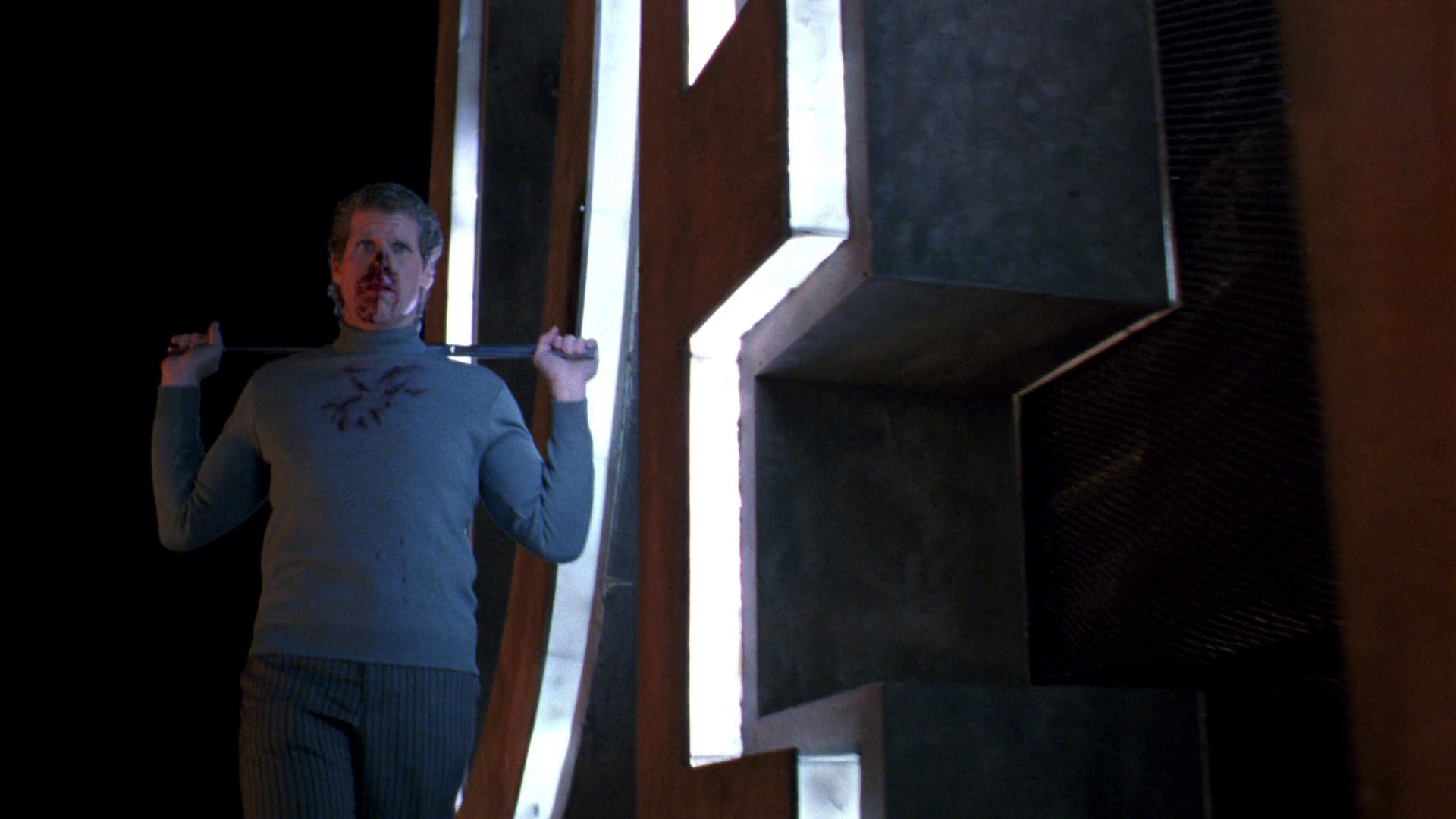
 Ron Perlman is the actor that stands out most in this film; that’s not entirely positive, but it’s not negative at all, either. He feels slightly miscast and out of place, but in a good way. A good way for him, at least. In the script, the character Angel is a brutish, simple fail-nephew who resents his uncle but is compelled to obey him for his inheritance; he bumbles around the film applying violence to whatever problem he’s presented with, swinging wildly between obsequiousness towards Dieter and almost comic impotent rage when he knows Dieter isn’t listening; there’s a scene in the middle of the film where a pantsless Angel, sitting in his little office-nook near the elevator up to his uncle’s well-appointed penthouse, talks to him dutifully over the walky-talky that connects the two men and screams a steady stream of curses at him once his thumb is off the transmission button. Perlman, not quite at the height of his powers yet as an actor but certainly all the way there physically, powers through the Angel in the script and takes him over with an intensity and presence that makes you wish it was his movie -- Angel’s cowardice turns into low animal cunning, his cringing servility turns into a thin, false veneer of civility that barely masks his capacity for violence, any trace of panic turns instead into contempt for consequences, and when he finally sneers and steps down on Dieter’s throat to kill him in the movie’s final moments before taking a pipe off the wall and swaggering out on to the rooftop to murder an old man and a little girl, you’re mainly left thinking, “Why didn’t this absolute shark of a man simply kill these two old farts in the first ten minutes and save us from having a movie?” Del Toro would obviously agree on this count; Perlman would become his favorite actor, and is to this day probably the single on-screen talent most associated with del Toro’s work.
The film probably feels much different -- much more like a modern fairy tale or moral fable -- with some schlub in there playing Angel instead of a guy who spent over three decades in Hollywood playing intense and violent monsters. Perlman’s highest profile gig before this casting, which did not supersede it, was as the titular Beast in the Beauty & The Beast…crime procedural television show?...that George R.R. Martin wrote for that wrapped up in 1990; the highest profile gig after that, his turn as the beastly Sayer of the Law in the 1996 Island of Dr. Moreau adaptation. (In between, however, he played the gentle, heroic, but still plenty violent circus strongman in the 1995 French production The City of Lost Children, which I highly recommend if you haven’t seen it. Or at least, 17 year old me recommends it; I haven’t seen it in a long, long time, but French surrealist fantasy films with complicated plots seem like something you appreciate more with age, not less.) I think I prefer Perlman’s performance in the end, though, and what he brings to film -- when Gris realizes in his final moments how he’s going to beat Angel, and that there is a physical capacity in which he can best the killer, his wide-eyed grin hits a lot better opposite Perlman’s imposing, swaggering killer than it would some schlub.
Ron Perlman is the actor that stands out most in this film; that’s not entirely positive, but it’s not negative at all, either. He feels slightly miscast and out of place, but in a good way. A good way for him, at least. In the script, the character Angel is a brutish, simple fail-nephew who resents his uncle but is compelled to obey him for his inheritance; he bumbles around the film applying violence to whatever problem he’s presented with, swinging wildly between obsequiousness towards Dieter and almost comic impotent rage when he knows Dieter isn’t listening; there’s a scene in the middle of the film where a pantsless Angel, sitting in his little office-nook near the elevator up to his uncle’s well-appointed penthouse, talks to him dutifully over the walky-talky that connects the two men and screams a steady stream of curses at him once his thumb is off the transmission button. Perlman, not quite at the height of his powers yet as an actor but certainly all the way there physically, powers through the Angel in the script and takes him over with an intensity and presence that makes you wish it was his movie -- Angel’s cowardice turns into low animal cunning, his cringing servility turns into a thin, false veneer of civility that barely masks his capacity for violence, any trace of panic turns instead into contempt for consequences, and when he finally sneers and steps down on Dieter’s throat to kill him in the movie’s final moments before taking a pipe off the wall and swaggering out on to the rooftop to murder an old man and a little girl, you’re mainly left thinking, “Why didn’t this absolute shark of a man simply kill these two old farts in the first ten minutes and save us from having a movie?” Del Toro would obviously agree on this count; Perlman would become his favorite actor, and is to this day probably the single on-screen talent most associated with del Toro’s work.
The film probably feels much different -- much more like a modern fairy tale or moral fable -- with some schlub in there playing Angel instead of a guy who spent over three decades in Hollywood playing intense and violent monsters. Perlman’s highest profile gig before this casting, which did not supersede it, was as the titular Beast in the Beauty & The Beast…crime procedural television show?...that George R.R. Martin wrote for that wrapped up in 1990; the highest profile gig after that, his turn as the beastly Sayer of the Law in the 1996 Island of Dr. Moreau adaptation. (In between, however, he played the gentle, heroic, but still plenty violent circus strongman in the 1995 French production The City of Lost Children, which I highly recommend if you haven’t seen it. Or at least, 17 year old me recommends it; I haven’t seen it in a long, long time, but French surrealist fantasy films with complicated plots seem like something you appreciate more with age, not less.) I think I prefer Perlman’s performance in the end, though, and what he brings to film -- when Gris realizes in his final moments how he’s going to beat Angel, and that there is a physical capacity in which he can best the killer, his wide-eyed grin hits a lot better opposite Perlman’s imposing, swaggering killer than it would some schlub.
 Next week, I think I’m back to young adult vampire stuff. Great.
Have any questions or feedback? Drop us a note in the comments below or email us at contact@goonhammer.com. Want articles like this linked in your inbox every Monday morning? Sign up for our newsletter. And don't forget that you can support us on Patreon for backer rewards like early video content, Administratum access, an ad-free experience on our website, and subscriber-only content covering competitive Warhammer 40K!
Next week, I think I’m back to young adult vampire stuff. Great.
Have any questions or feedback? Drop us a note in the comments below or email us at contact@goonhammer.com. Want articles like this linked in your inbox every Monday morning? Sign up for our newsletter. And don't forget that you can support us on Patreon for backer rewards like early video content, Administratum access, an ad-free experience on our website, and subscriber-only content covering competitive Warhammer 40K!
Tags:
century of the vampire |
cronos

Thank you for being a friend.
 This website uses cookies. Learn more.
 Century of the Vampire: Cronos (1992)