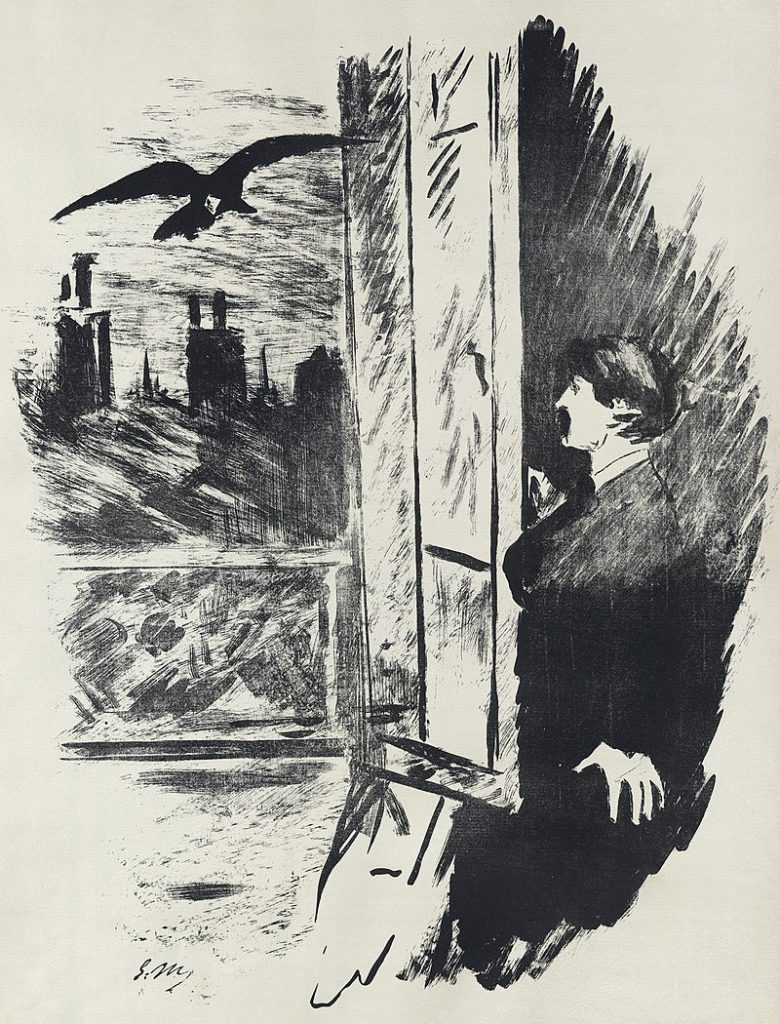
A good gothic tale begins with a story, a narrator, a letter passed from hand to hand perhaps across Europe or far beyond. This one is no different. Togepi, wise sage that he is, proposed that we journey together into the world of gothic literature, so you may imagine me sitting in a book-lined study - allow me this little indulgence - reading his work sent in the modern equivalent of the oilskin bound package that is the gdrive link. As I read, my mind, without purpose, walks in dark places. It is time to compose a letter.
London
October 2025
My Dear - I cannot but agree with you. Pariah and Penitent represent the pinnacle of the 40k-as-gothic, an author reaching far, far back beyond the days of rogues and traders to produce a music-box-intricate tribute to thick tomes of florid prose that lie largely unnoticed in the libraries of Whitby-bound travellers. I have found a kind of peace in these books, a rejuvenat treatment for a soul bruised by adoration for the chaotic emptiness of franchise fiction. I have become, for all intents and purposes, comfortably smug in the lap of Pariah. So let me tell you what it means to me: gothic in form, structures, settings and players.
The tale of Beta Bequin is matryoshka storytelling - her story, within the story, two books in a trilogy of trilogies within a library and a game and a metaplot. This is unusual - 40k usually takes place in the third person, he shoots/he scores/he suffers endless agony. Third person keeps us firmly in the miniatures space, as models move around the page as they do the board, rolling their dice and failing their saves when the narrative demands. Here, we are instead presented with a story within a story, Beta narrating her own adventures second/third/first hand - I do this, we do that, I choose, I move - an agent rattling around her own structure, selective in her memories and relations. This is a story as told rather than as shown, or lived. It is, as all is in the world of Queen Mab, a conscious choice to dispense with past forms. Eisenhorn is first person action, a private eye, Sam Spade able to turn you inside out with a thought. We are lodged within Eisenhorn’s mind and every action is justified and justifiable by what he sees. No matter what we may read, there is a reason and a justification delivered in situ. His ends may not justify the means but narratively they march together in a lurching, limping, lock-step, an infinitely reliable narrator charting his own descent into madness and heresy. Eisenhorn is the master of his own destiny, architect of isolation and loneliness, sole agent of change. Beta is not. Ravenor too reveals the story through form. The perspective shifts as we read, Ravenor moving his semi-omniscient perspective from chapter to chapter, person to person, an action movie fracturing of POVs that mirror’s the Inquisitor’s ability to wear/ware his acolytes. Ravenor is the structure that holds both his team and his narrative together. Beta, again, is not.
Inquisitor Kryptman. Credit: John Blanche
Just what are we reading? Somewhere, somewhen, a version of Beta is relating her story to us, a story being told, and written. It is, in a manner of speaking, true. It is less true than Eisenhorn, where we see the narrative through his eyes, and less so than Ravenor, where we are made aware of every secret and shadow as they arise. Beta is an ingenue, thrown into a broiling sea of established stories, characters and models, left to sink or swim by her own devices, and she tells us so from the very beginning. Whether we believe her or not is up to us. I choose to.
The Super(Natural)
Beta’s journey, remarkably, is one of the triumph of rationalism, science and nature, over magic and mystery, no matter that she is an inhabitant of a maniacally magical universe. Her world is mad, but she is not. There are reasons behind everything, a prime mover that sets chaotic unravellings in motion. Her existence is planned, a move in the great game, and her liberation from the confines of the Maze Undue may be another. We may be primed to think of the gothic as an exploration of the weird or unnatural - the vampire, the beetle, the ghost - but gothic fiction wedges those elements firmly into a natural world. A prophecy may have seemingly nonsensical elements, but narrative and contrivance renders them explicable. The monster puts on a suit and wears a human face and, most startlingly, employs a kind of estate agent. What makes gothic horror work is that juxtaposition of the real and explicable hemming in the supernatural before it explodes out of its boundaries, trespassing from nightmare into reality.
The world of 40k is already a nightmare. There is, famously, no peace among the stars, only the laughter of thirsting Gods and an eternal mind-warping fume of polystyrene cement and buyer’s remorse. It’s why many of the elements of gothic fiction just don’t work in 40k. There’s no impact to a terrible and remorseless figure walking the halls of a masquerade ball when you sit and paint far worse horrors on a daily basis. It’s why we can build a million versions of the gothic ruin and leave them on the table, incapable of striking awe or conjuring mystery, a tiny plastic tribute to not getting the joke. When it works - as it does in Pariah and most particularly Penitent - is when we reverse the process. Beta is the rational who sees through the supernatural. When she encounters a winged, bloodthirsty and crazed angel, she knows what it is. The boundaries of the unreal are not hemmed in by the prosaic laws of our reality in her universe - she is the soulless real that relentlessly bounds the unreal through her actions. As Beta journeys beyond the confines of the Maze Undue, she slowly whittles through possibilities, bounding an infinite universe through the process of discovery and encounter.
Blood Angels Primarch Sanguinius. Credit: Jack Hunter
There are mysteries a plenty, but we understand them within the setting through the logic of the damned. Where all is hidden, our wider, societal, tablet-and-hermetic-secrecy knowlege provides the keys to revelations. These can be simple - the hidden, hulking forms behind the screens are Space Marines, and we know they are. Hidden secrets of Prospero are unlikely to be those held by Shakespeare’s magician - though Proserpine knowledge presents its own orphaic quirks. We arrive at these understandings via a metatextual process that is indistinguishable from magic within the setting, plucking connections from the thin air of a 21st century noosphere. Beta has to arrive at them honestly - the magical with a reasoned explanation, even in the world of madness. It’s a neat inversion of the core mystery of the gothic, the transmutation of magic into nature. The head of the statue falls, not as part of a prophecy, but of happenstance, a wide enough view turns magic into destiny and vice versa, the language of the gothic reaching out into the structure of the narrative and the minds of our characters.
Queen Mab
Structures need settings. A castle, moorland, haunted house, a mansion that creaks and groans, the drain at the bottom of the world, or the land through a fractured mirror. The gothic world creates the tension between the real and unreal, thought, perception and experience. You’re made to never quite know what is exactly real and what isn’t, and that requires a place that can hide secrets. Walpole invents the genre with the Castle of Otranto, a castle ridden with crumbling passageways, doors that lead to unexpected places, caves, trapdoors, exits and hidden nooks. Bronte stretches it our across the Yorkshire moors, with uneven ground, ruined buildings and predictably terrible weather providing plenty of hiding spaces for emotions, meanings and significances. The ability to move around and through these places with ease usually characterises either the protagonist or the enemy - or both - the place allowing for secrets to be upheld, revealed and betrayed as the plot needs them to be. It’s a work of obscuration, where a daughter can be misidentified as a servant (with tragic results), or an upstanding gentleman can hide his monstrous alter ego (with tragic results).
Cursed City Skeleton objective markers credit: Josh Boyes
Penitent and Pariah give us Queen Mab, London by way of fin-de-siecle Paris and Mega-City One, a more than fittingly gothic place for our story to unfold. At the literal, metaphorical and spiritual heart of the stories it lies, a festering and rotting centre of spider-spin webs of deceit and masquerade. The city is The City, the decay, intertexuality, and convoluted tragedy of 40k writ large and visible. A city made up of gothic horror tropes and settings - faded toy shops, Highgate Hill, crackling, frozen in time passageways, all serving as Dan’s introduction to the gothic. We pass inns bristling with faded glory and decaying academia, pore through catacombs and haunted doorways, abandoned streets where the feet of a saint have consecrated the ground into uselessness, accompanied by wanderers, threatening presences and compromised saints. In a story of haunted houses, it holds them all, encompassing an endless parade of quasi-victoriana, charivari of the penny dreadful, a setting and a presence - everything that unfolds here is broken and shrouded.
Bequin, Ravenor, and Eisenhorn spend their time approaching the City of Dust through the byways of Queen Mab, searching, seeking, returning - but it seems that they pass over much more we do, and the city is a more interesting place, perhaps, to us as readers than to the characters we read. Queen Mab is made of references, built from passing glances, allowing Dan to bring in whatever he wants to build up his world, echoing a broader truth about the setting we find ourselves in - what is 40k if not a collection of reference points from pop culture through to classical texts? 40k endures - expands - not on the strength of its game but on the success of authors, rules writers, fans and content creators, to draw those lines from point to point, to recognise the sleight of hand involved in fabricating a universe out of everything in ours - and to enjoy it.
Mab herself is the Shakespearean fairy-midwife, a creator of dreams that rides over the sleeping to birth nightmare and vision. She is Shelley’s revolutionary interpreter, a Cassandra of worlds to come where everything is not as it is. In Shelley’s telling she lives at the very edge of the Universe and can guide the dreamer to profound realisation. Does Queen Mab as city guide us, or Bequin? It is a place that hides secrets and feeds dreams, midwife to the King in Yellow’s Brave New Galaxy, a waiting predator/incubator, mother/daughter to the amber city beyond the city.
Grimdark Terrain Forge-fane. Credit - Soggy
As a drain for history, science, the passage of time, it is unusual even in 40k - we all float here - a place where priceless, multi-millennia-old communist trinkets are offered for sale, where the inhabitants seem to live in a different history of 40k, one more open to the truth of the Heresy, and more isolated. Despite being within the ongoing Eisenhorn/Ravenor/Bequin arc, Queen Mab is chronologically set apart from the 40k metaplot - Penitent starts 500.M41, well before mainline 40k - but there are no external reference points. It is, broadly, a timeless space. It occurs after the events of Ravenor and the Magos, but when? Does it matter? No one leaves Queen Mab. They come to it, they stay - for years, decades - and they remain. It is a drain, a catch point, a collection. Queen Mab is a place where Dickens, Bronte, Walpole, King, Radcliffe and Shelley all pass us in the street, unnoticed until the conjurer's hand passes over them and they are revealed to an audience used, certainly, to the reference and the mention, but within and beyond all that the yawning gates of the Black Library have offered us thus far. Why?
It’s not a real place, even within the elastic boundaries of 40k’s reality. Queen Mab is the quasi-physical twin of the quasi-spiritual City of Dust, a place engineered to tell a story, to function as that drain cover that catches anything of use, no matter how esoteric, to be passed to the King in Yellow. The myths are of delving into the warp and returning with something, multiple fractured retellings of Orpheus, and slices of it are frozen in time - in other places, even in other games, and while 40k is a broad and weird place, few places in it are as broken as Queen Mab. It has no function, no work, no purpose. It exists as an endlessly fading glory of days gone by that mourns a cycle of wars indistinguishable from each other while the architecture of the city wraps itself into a torus around unreality. Even within the world of the novels, it is a plot device, a storytelling conceit.
The King
A queen presupposes a king, and Abnett delivers in spades through the haunting of the city. The ghost, phantom, shade, spirit, the lurking statue or para-causal being nests at the heart of the gothic, bower-bird psychopomp, ushering character, author and, reader alike through the liminal spaces lorded over by the Yamadutas and into terrifying realisations. Our King is twofold - Golden and Luddite - and both echo and spring through Penitent and Pariah. The identity of the King is the core of the mystery, one that relies on a near encylopoetic knowledge of the universe, an identity revealed almost immediately to those who know, then obscured and hidden, swathed in false realisations. Bequin unpicks the name of the King slowly and painfully, each truth bought at great cost, when we are, at least for an occasional shining moment, far far ahead. The clues are there for us, meta-textual, hidden in Forge World production schedules, non-metallic metal fads, the knowledge that nothing on earth will allow certain secrets to be revealed. By the time the name of the king is finally wrested from obscurity you are primed to receive the knowledge. It is a shock, but it is the shock of the gothic mystery - you knew. You knew that the Count was a supernatural being while Harker was still denying it. You knew that Catherine Moreland wasn’t beset by murder and mystery long before she did. The Graals. The City of Dust. The Amber Rooms, transplanted from St Petersburg to the mysteries of the warp. The One added to Eighteen. You knew all along. You just didn’t want to.
The Devil in his Guise as a Snake, Heinrich Stayner of Augsburg Credit: Penn Libraries
There are many characters within Beta’s story - Abnett Pickwicking his Papers through an endless cavalcade of side stories and passing acquaintances, all intricately detailed, thickly described in long, analytical passages in dry appraisals. Every model is a character, a blanchitsu accumulation of faded glories and mystery-cloaked rags. No one goes without the meticulous assessment provided by Beta’s cognitae training. Except one - the King. Core characters hidden from the audience is a mainstay of the form, characters defined by their absence or effects on protagonists, heroes and villains (and is the King one, or the other, or both?) glimpsed only out of the corner of your eye. We assemble the nature and plans of the King obliquely, through the supplication of his worshipper-thralls, machinations of his enemies and obliviousness of the Inquisitors on his tale. He has been hunted for years, and yet even the most very basic and yet most overwhelmingly powerful facets of his existence are hidden. And yet - nothing happens in Queen Mab, in the world of these novels, without the consent of the King. The more well known our characters, the more we have invested in them, the more we understand their motives, the lesser they are - grit and grist in the mill of plans made above and beyond their comprehension. In a world of allusion, he is the most and least obvious, the King in Yellow (we smile, we nod, we understand the joke) felt but not seen. Despite journeying to his world-city, his impossible palace of not-quite-solitude, all we know of the King is his colour, the most extemporate of his works and the narrative demands commitment to a thousand other novels before it will unfold any further, pausing everything in a moment of ice-cold, arresting, entombment to allow you to piece it all together before, finally, the mask is decidedly not removed in the final words of Penitent.
What is the King doing? Can we string together the threads of the heresy and the shrapnel of past plots now transfigured into breadcrumbs for the lore-hungry into coherence, a third pole to the manichean struggle of the grim dark millennium that matches the Beta-Eisenhorn-Ravenor trilogy beat for beat, line for line? If we can, then it is beyond me. I know of what the King does, but not of where he is going, or why. I await Beta’s clarity as to our futures.
Sex and the Untouchable
Meticulous and constructed, we have our setting, our king, and our structures. The last piece to place on the board before we play in the world of the pandemoneios is the Blank.The blacksoul is a useful and interesting contrivance, one utilised by many authors (and game designers) as the pocket solution to our heroes encountering psychic destruction. Ciaphas Cain achieves superhuman feats due to Jurgen, the Culexus occasionally becomes an exceptional model depending on your opponent, and both Eisenhorn and Ravenor depend on the lifesaving abilities of the blank. They are - too often - a nice plot device, a way out of a box the author has written themselves into. When we face an impossible to resist psychic, someone capable of bending reality to their will through magic, or ritual, or insanity, a blank steps in to rescue our heroes. They can be more.
Gothic fiction is sexual, often deeply so, delving into a shared well of trauma and torment to deliver disquiet. Power, predation, the disability of pregnancy, control - distilled through the experiences of female protagonists and female authors - powers the gothic novel through adolescence in the 18th century and into its full and shocking power in the 19th and 20th. Authors writing after the emergence of the Female Gothic have taken its power into themselves, flirting with sex-as-danger regardless of authorial gender, the male appropriating the transgressions of the past once it is safe to do so. Blanks become the audience-friendly stand-in for sexuality in Warhammer fiction, the eerie suggestion that something isn’t quite right, the vibe is off, the pain exerted on the besouled grimly echoing sexuality through the various iterations of the gothic. The blank is a danger to human society; their very presence disruptive, just as Dacre’s Victoria stalks men through the streets and canals of Venice. There is something unnerving about them, unless they are controlled, limited, exerting their will to restrain their very biology. They are, in all senses of the word, queered, a compression of two hundred years of the gothic fascination with sex and the forbidden that reiterates two centuries of panic over whatever we have picked as a society to deem transgressive.
The touchable/untouchable expands out from the psychic taboo to enkindle and channel desire. Eisenhorn looks to Bequin but cannot reach to her - down that road lies pain and madness - as he crafts a Madonna from her while the bodies of other women are discussed, approached and encompassed. Bequin journeys through her own path of the female gothic from joy-girl to matriarch to sleeping queen, there to be awakened by some force or power unknown. She is redeemed by her service, by withdrawing the power of desirability. With Ravenor we are presented with the limiter, the magic-tech that allows blanks to interact with the plot as and when needed, to be threatened by psykers or haunted by the warp. Without the limiter, the blank is a pervasive threat. With it, the restraint and release of the warp-dampening soulless can be put to work. Frauka is the blank as socially controlled, id overruled by the limiter acting as superego, his leering, addicted presence lurking as the danger of self-regarding male sexuality. With his limiter, he is a useful, if unpleasant, presence. Without it, he is a threat that shuts down the protagonist, Jekyll lurking painfully in the virtuous Hyde. Beta forms the third peak of the blank trifecta as she restrains desire, admitting to fleeting touches of infatuation that are made subservient to her willpower, arriving at the self-possession that can be the mark of the gothic heroine, the woman in control of her sexuality (whatever and however that is), rather than the woman dangerously out of control who must be - or is threatened to be - confined, restrained or put down by the male hegemon. The better/beta doppelganger, the work of the original refined and perfected within the conventions of the genre.
Necron Pariahs. RIP
Blanks are desired beyond and alongside the sexual in Beta’s world. They are bred, trained - perhaps even farmed - as tools for the King, serving gnomic roles in universes beyond clarity. Without the King’s hand, they are desired, a treasured human commodity to be secured and used. The queerness of the blank is a prized and hated thing by the human and transhuman. Their desirability translates into their reduction into object of trade, objective to be secured, tokens of favour exchanged in transaction for the favour of the King or secured against his displeasure. There’s an obvious and uncomfortable parallel here, the socially and psychically dangerous transient other occupying an uncomfortably physical place in the hearts of the heteronormative, a transcultural preoccupation for our times, a position that leads blacksouls into harsh worlds of loneliness and objectification, until their voices change and they are sequestered into their own communities transcending the worlds. In the embrace of Queen Mab, they are able to pass through hidden ways, existing as elided unpersons that, with the aid of esoteric technologies that act without explanation, can transform into “normality”, whereupon they are unleashed to transfix the attention of the mighty. To be a blank, to be soulless in a universe where the soul is all-important, is to be an alluring and repulsive transgression and a stain on the will of others - it is, very much, a sin. The existence of the blacksoul blank threatens all positions of power within a universe based in magic, requiring the limiter to transition them into the average lest the loved/hated blank bring nothing but chaos - or lack thereof - in their wake.
The Devil in his Guise as a Bird Catcher, Heinrich Stayner of Augsburg Credit: Penn Libraries
Into our cauldron of competing desires, where the blanks are wanted, chased, hunted through worlds within worlds, we have Beta as the virtuous and that, ultimately, is the apotheosis of the Gothic. She is able to not simply navigate the webs of Queen Mab and the City of Dust but evade them, casting her own stones into the pond and wrenching realities to her will. Beta is not just beyond desire, but beyond the grip of most emotions. She is terrified, hunted, searching blindly in both literal and metaphorical darkness, but the will reigns, for the most part. We are - she is - conscious of her role in a story as few other protagonists are, constructing a narrative made of narratives, her roles allowing her near-complete freedom to act as the shifting whippoorwill that heralds action. Beta hurtles from catastrophe to intricate set-piece, escaping the destruction of a haunted house, a firebombed sanctuary, a whirling melee, a sprung trap, and a brass dungeon, each time emerging equipped with new skills and knowledge, another Orphaic echo, embodiment of the city she inhabits. Only Beta is able to move through the looking glass as she establishes and maintains her own control over her nature, a walking example of gothic virtue expressed through the veiled sexuality, reason conquering desire and fear into rationality, emotion, love and blood used, scalpel-sharp mind over matter, all working to move the potentially dangerous ingenue-blacksoul, the unpredictable presence of the unfettered female, into the Inquisitor and equal of the preceding series, standing atop the shoulders of giants to reach heights undreamt of as twin suns sink beneath the lake of our shared universe and foreboding shadows lengthen.
Aaron “Lenoon” Bowen
Have any questions or feedback? Drop us a note in the comments below or email us at contact@goonhammer.com. Want articles like this linked in your inbox every Monday morning? Sign up for our newsletter. And don't forget that you can support us on Patreon for backer rewards like early video content, Administratum access, an ad-free experience on our website and more.
 This website uses cookies. Learn more.

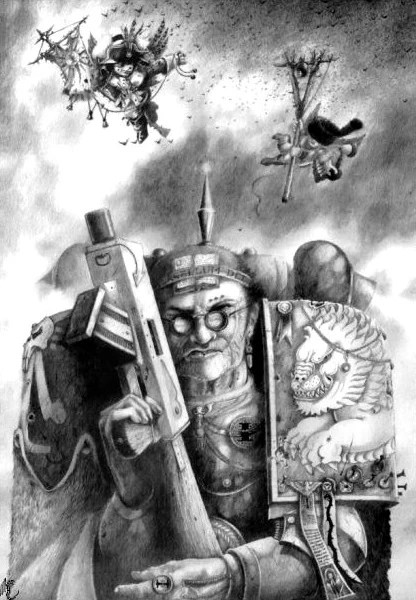 Inquisitor Kryptman. Credit: John Blanche
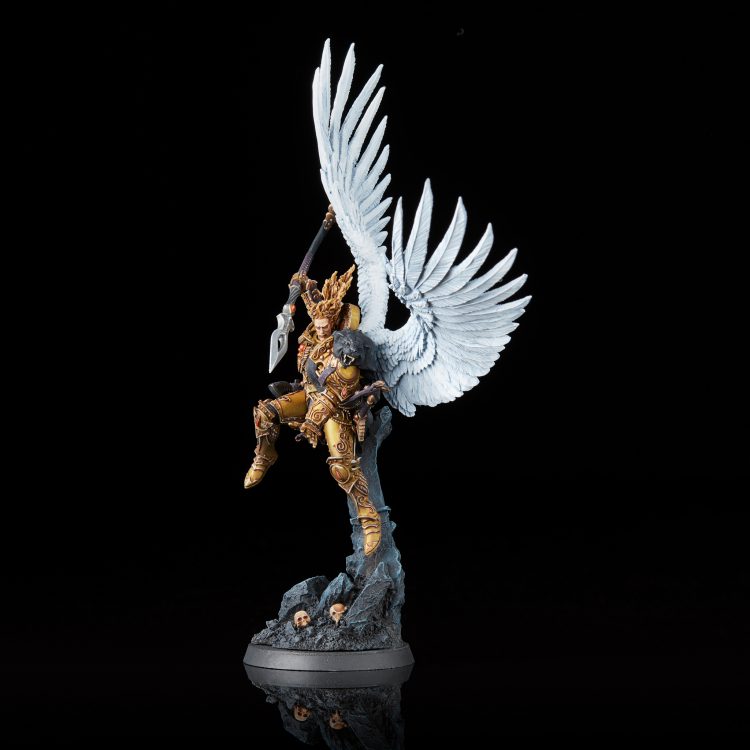 Blood Angels Primarch Sanguinius. Credit: Jack Hunter
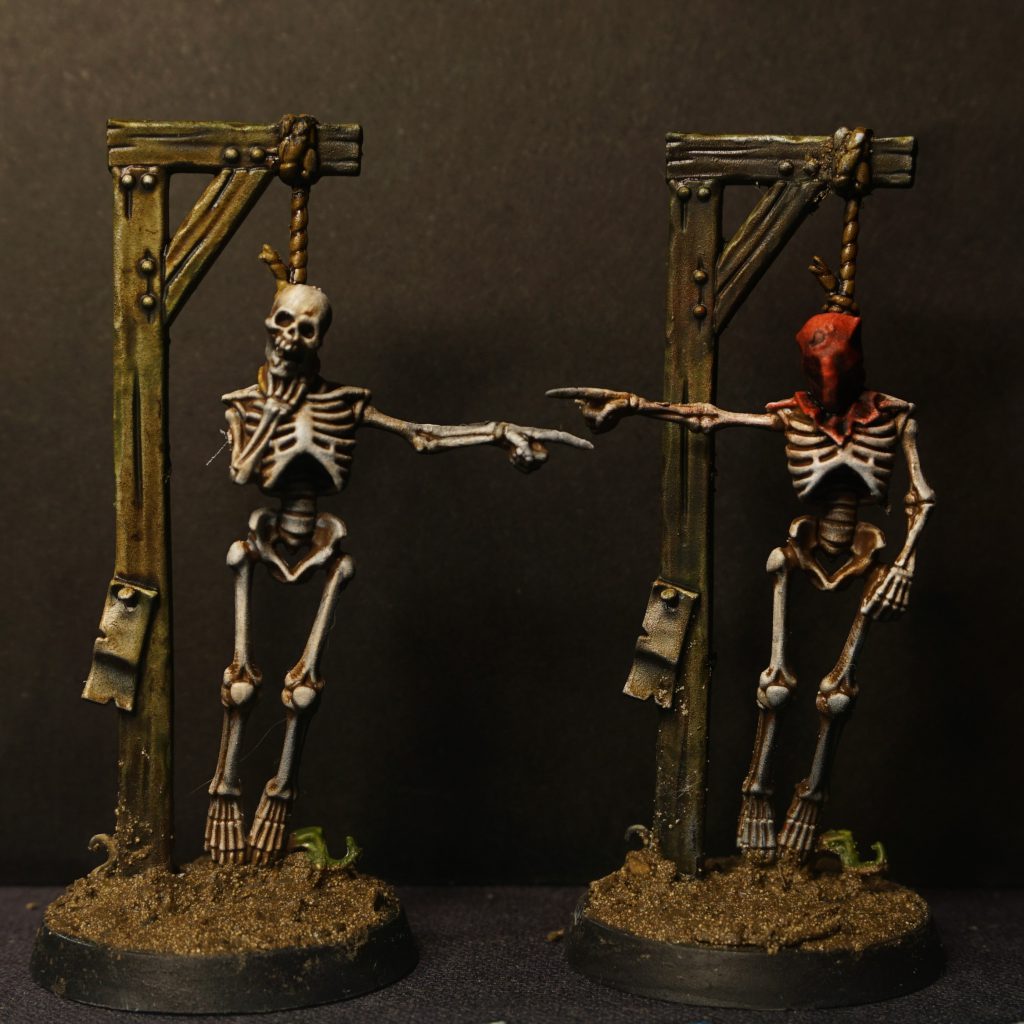 Cursed City Skeleton objective markers credit: Josh Boyes
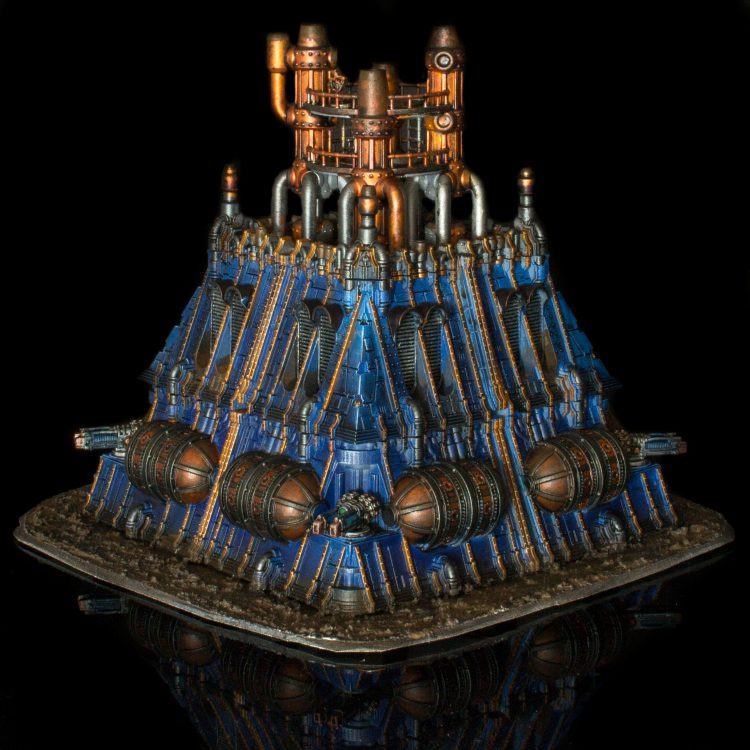 Grimdark Terrain Forge-fane. Credit - Soggy
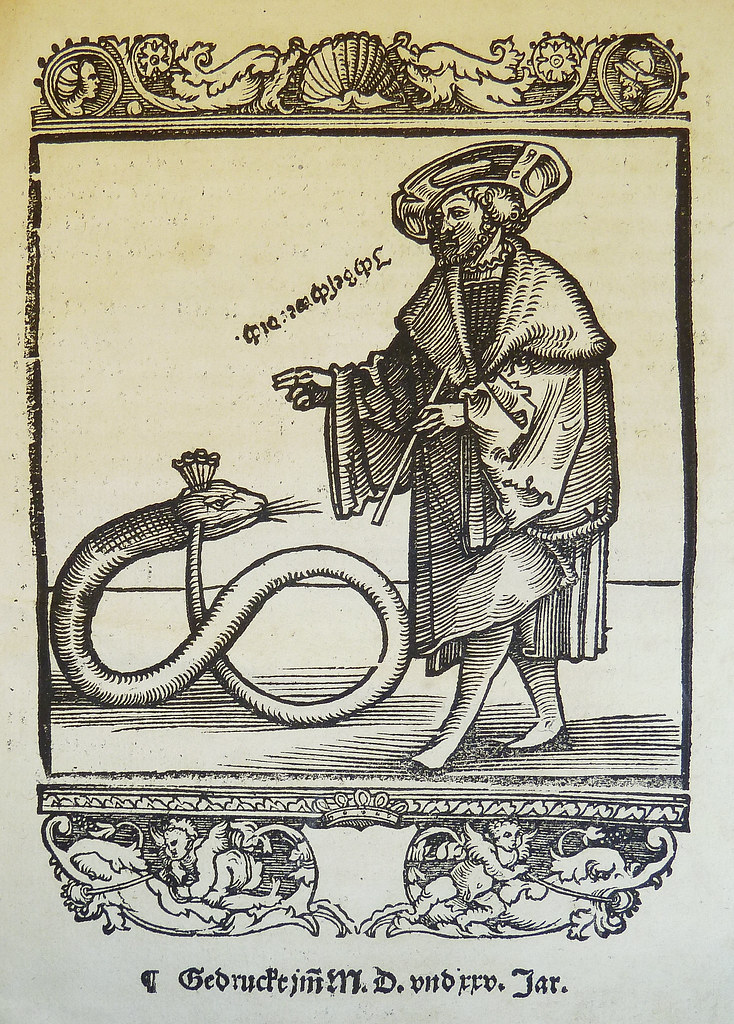 The Devil in his Guise as a Snake, Heinrich Stayner of Augsburg Credit: Penn Libraries
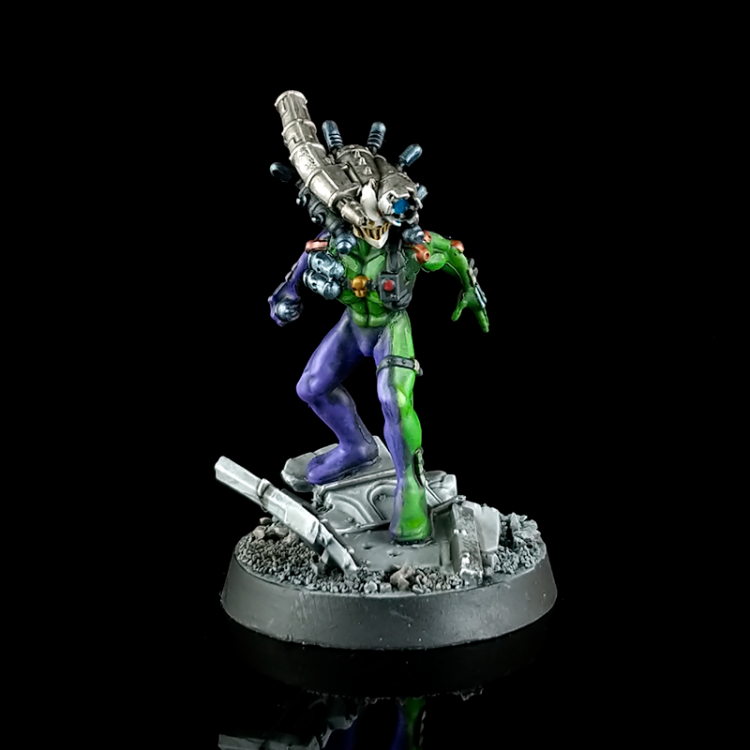 Culexus Assassin. Credits: That Gobbo
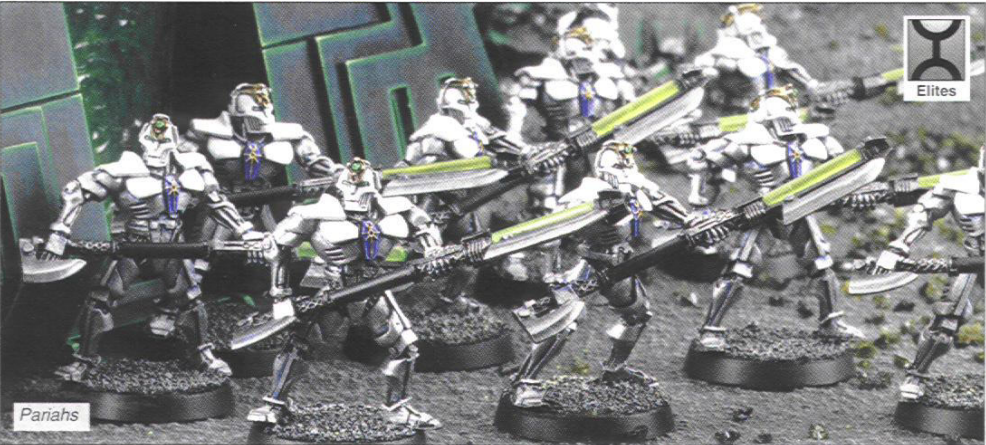 Necron Pariahs. RIP
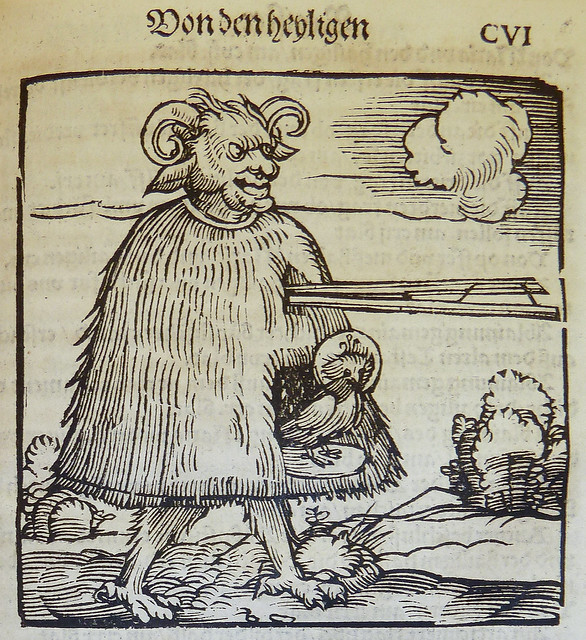 The Devil in his Guise as a Bird Catcher, Heinrich Stayner of Augsburg Credit: Penn Libraries

 Infinity N5 First Principles: Understanding the Outcomes of Face to Face Rolls
 Tactical Feedback: Timing the Go-Turn
 SRM's Roundabout to Adepticon 2026: Curd Is the Word