Stippling is an artistic technique that's basically as old as art itself. Ever since we learned to take a pigment and apply it to the wall, we've been stippling, but what
is it? Put simply, stippling refers to the act of making a pattern or painting something with the application of a lot of very tiny
dots*. The number of dots in a particular area is the determinant of how strong or weak the tone is. In the past, stippling was used a lot in print making to convey form and light in a monochrome environment (like engraving), in which actual blending is impossible. Effectively, stippling is a kind of blending method that doesn't actually blend the paint/ink. Take this print by Albrecht Dürer as an example:
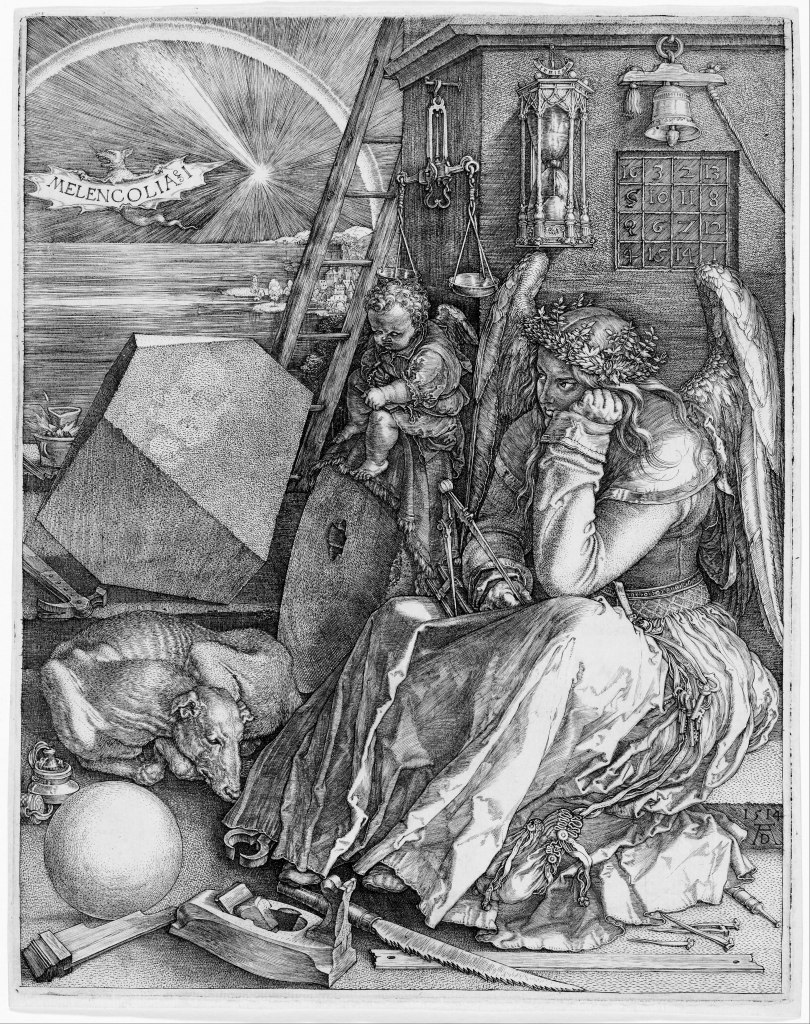
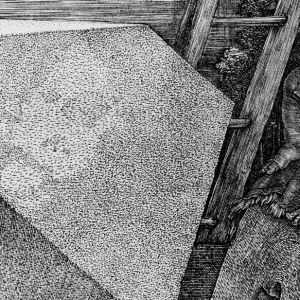
If we zoom in, we can see stippling all over the place. The stone being carved by the melancholy angel is given its shade by the use of stippling. The concentration of dots dictates directly how our eyes perceive the light and the dark, enabling us to read that the stone is not white, but grey, and that it is not evenly bright or dark.
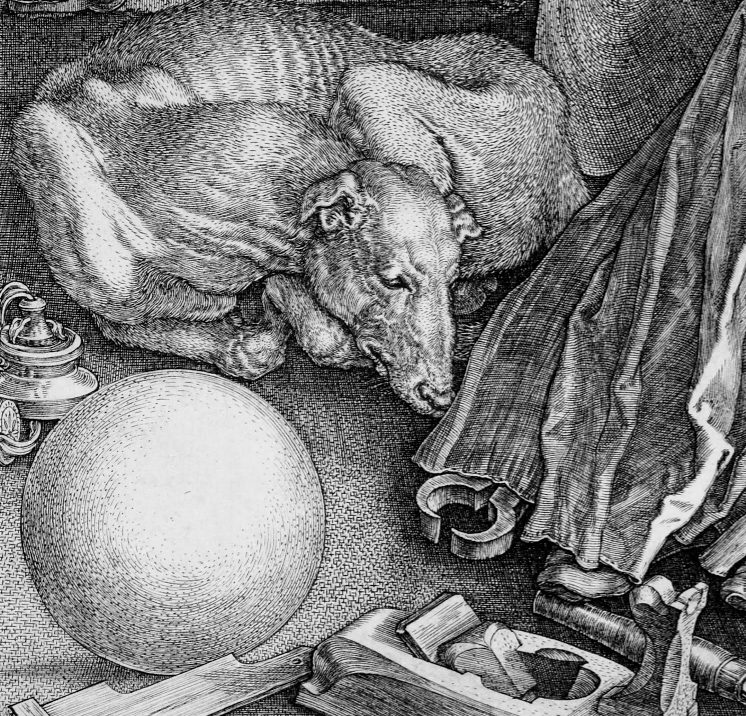
Likewise, Dürer uses a combination of stippling and hatching (lines rather than dots) to create the tone and texture of the fur of the sad-looking dog, the tone of the floor of the angel's environs, and the shape and shading of the carved stone ball on the floor.
Through masterful control over the relationship between light and dark using these dots, Durer creates an image that's super complex and visually interesting.
"Okay," you may be thinking "that's very nice and all, but what does that have to do with miniature painting? I visit Goonhammer for that, not for secondary-school art lessons!" That's fair, your consternation is warranted - I have been known to waffle on about art and art history for ages if given the chance - but stippling absolutely can be used in a miniature painting context in a bunch of different approaches and applications; we just need to do the same thing in miniature!
Want to see just how amazing a stippled miniature can look?
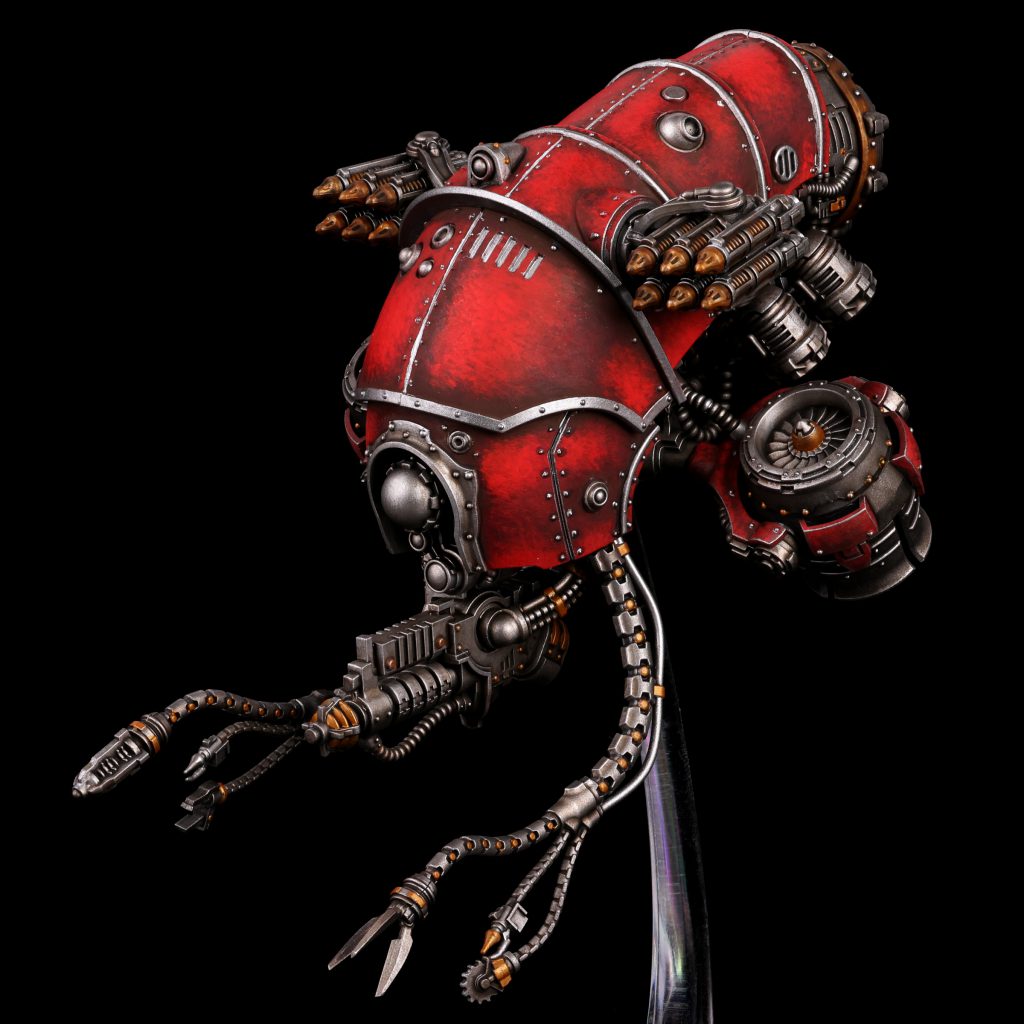 Vultarax Stratos-Automata. Credit: Pendulin
Blammo! Feast your eyes on this
amazing AdMech thingy by our very own Pendulin. The red panels are heavily stippled, and they are
gorgeous. The visual interest provided by the stippled pattern really amps up the model dramatically.
One of the most straightforward ways of stippling miniatures is by using a drybrush loaded with paint to "jab" at the area you want to paint - just be aware that if the paint is thick, it will build texture on your surface; you can use that to your advantage if texture is something you want, but if you don't you should thin your paint a bit, so it's the same kind of consistency you'd use for doing ordinary basecoats and layers. Although stippling this way is relatively quick, you should take your time and build up the colour slowly - after all, it's easier to add more paint and much more difficult to remove it after the fact.
Another method by which you might stipple involves using an ordinary brush and placing each of the dots yourself. This way is certainly more time-consuming than the rougher approach described before, but the level of control is equally much greater - allowing a precise rendering of rough surfaces like fabrics.
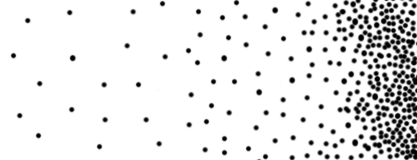 A simple example of a stippled gradient - the dots don't change size, but the concentration of the dots creates the illusion of a blended gradient where none exists.
The key thing to remember about this approach is that it requires a great deal of patience and takes quite a long time to pull off.
If you want to take things even further, there's a newish popular technique known as
Stipple Glazing that combines the dotty approach of stippling with the translucency of glazing, using very thinned-down paint and carefully applying a *ton* of dots. This approach is especially popular among very high-level painters, but as you can imagine, it takes
ages to paint anything this way. You might not even be fully aware of it, but you've definitely seen this method used on a bunch of Golden Demon entries.
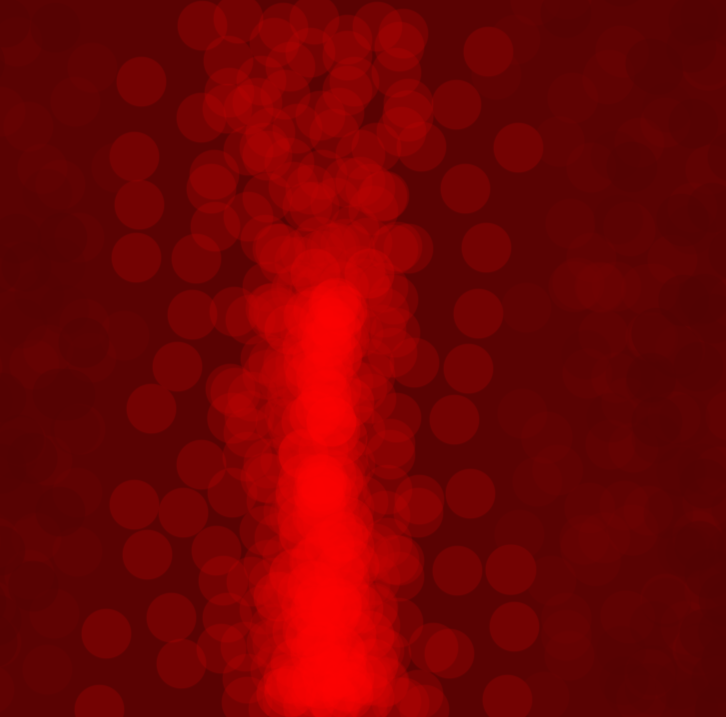 Graphic representation of stipple glazing on a micro-level, when viewed in context the eye blurs the dots into a smooth gradient
If you think about it, airbrushing is a method by which you create an extremely fine micro-stippling effect through a little cloud of atomised paint! Pretty neat, right?
*Note, this is distinct from
Pointillism which uses dots of different colours to create the illusion of a blended colour, it's sort of similar, but not the same. We're using different shades of red to make a pattern, not using dots of red and yellow to create orange. Similar, but not the same.
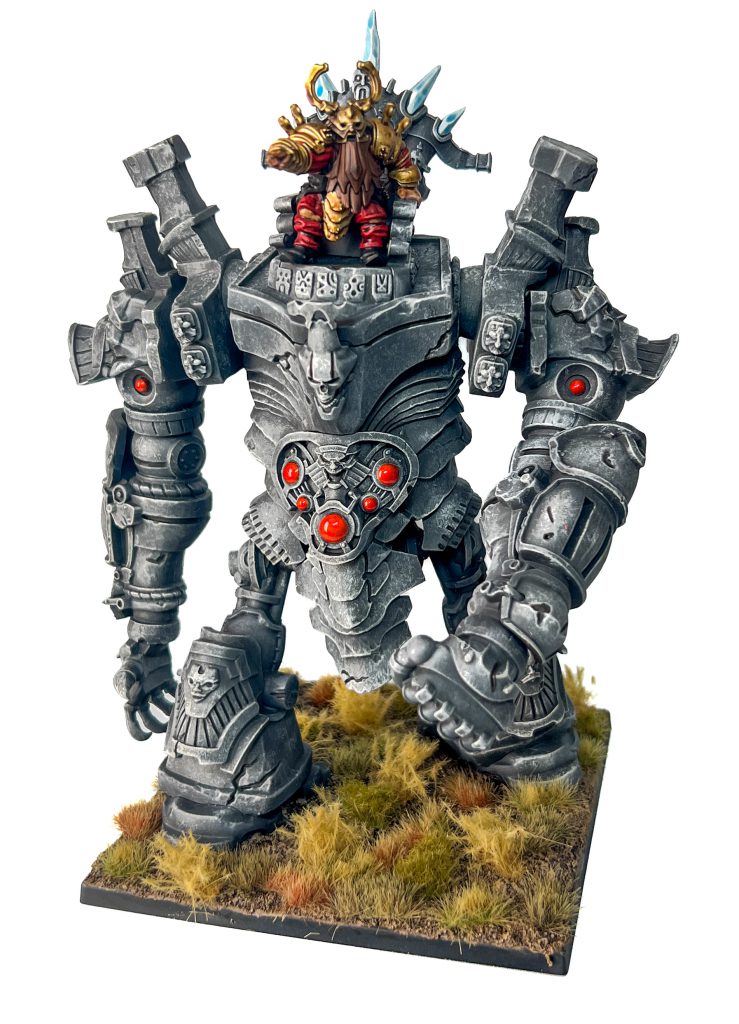 Conquest Dweghom Stoneforged credit: Bair
The amazing stonework on Bair's walking golem thingy was painted with careful stippling, and just look how realistic it is! If you want to add texture to flat surfaces and make them look more visually interesting, then stippling is definitely the way to go!
Have any questions or feedback? Drop us a note in the comments below or email us at contact@goonhammer.com. Want articles like this linked in your inbox every Monday morning? Sign up for our newsletter. And don't forget that you can support us on Patreon for backer rewards like early video content, Administratum access, an ad-free experience on our website, and subscriber-only content covering competitive Warhammer 40K!Thank you for being a friend.
 This website uses cookies. Learn more.


 Goonhammer App and Patron Updates: April, 2026
 Contemptor Kevin's Combat Patrol Issue 46 Review
 Kill Team Tournament Report: Engage, Party, Repeat's March Madness 2026