In researching early medieval armour, it soon becomes incredibly clear that the late roman/early Saxon gear is roughly 3000 times cooler than the boring, overly uniform apparel we see in the 11th century. Boar crested helmets, dragon shaped vambraces and faceplates with gem-encrusted eyebrows are just some of the incredible design motifs of this early era that for some reason used to be called the "Dark Ages".
At some point in history, there was a warlord who said "I think the golden dragons on my helmet need more gemstones" Credit: Zac
What has this got to do with us? Not long ago, Victrix began tempting me by releasing some late Romano-British and early Anglo-Saxon warbands for their excellent skirmish game pillage, but this last week they’ve really started turning the thumbscrews by releasing a downloadable supplement including free rules for these ridiculously blinged out warriors. Someone at Victrix must really like me.
General Overview
The PDF includes 7 new factions, all based on various different people groups from late antiquity (somewhere around 400AD, give or take). The designers’ forward is signed by Noodle Wargames, the French company who released the original Pillage ruleset, so I’m not 100% sure if it was all written by Guillaume Rousselot, the original author, or if this was more of a group effort. What they are clear about is that there may be some changes coming soon, as more games are played with the new factions, which is great news as it speaks to ongoing support for the game.
After the forward, we get an introduction to the period, along with some rules for new troop types and weapons. Period defining weapons like plumbata and troops like cataphracts are available to a few of the new factions find their home here, and its interesting to see some different effects being played with. For me, the Francisca seems like a strange option, as you can only use it when also declaring a charge. I think things like this really mark out designers as people willing to give interesting ideas a go in the service of storytelling, and I’m all for that. How effective it will be as a choice is not something I know yet, but throwing an axe at someone as you charge towards them is definitely the stuff legends are made of.
The cataphract horses count as partially armoured. I'm not entirely sure how much armour would be needed to count as fully armoured... Credit: Mike Bettle-Shaffer
We also get some new talents, which are interesting. One makes you better at attacking, one makes you better in defense and one makes you better at fleeing. I’m not entirely sure that the last one is something that could be defined as a talent, but I’m sure there are some dastardly “tactics” someone will come up with to make use of it.
The Lists
Next we get to the lists. As the document is free to download, and relatively short, I won’t go into too much detail, but I will cover a few things that were highlights for me that will hopefully make those of you on the fence want to go and read it for yourself.
1: Death to the False Emperor
There were so many emperors in this period, that the Roman army (specifically the Praetorian Guard) racked up a higher emperor-kill-tally than any other nations army ever. To represent this internal strife, when Romans fight other Romans they get bonuses to hit. This is a really nice self-balancing rule for extra flavour. Yeah, you get to reroll hits, but your opponent also gets the same rule. I like it.
2: Magic Sword
Saxons and Frisians can pay extra gold for a magic sword with serpent-magic woven into the blade. This is a reference to pattern welded steel, which leaves beautiful wavy lines across the surface, and was used in the period to make more consistently strong weapons. Allowing the “magic” sword to improve the wielder's defence really shows this off, and is a nice reference to the mystery and mysticism of the age as well.
3: Romano-British Standard
The banners of the Romano-Brits were basically golden dragon-shaped windsocks. In game, enemies trying to charge such a banner get -2” to their charge range. It’s not clear whether this is due to the terror of the dragon, or because they have to stop to discuss the weather when they see the wind sock (it’s almost impossible not to do this), but rules like this are a great example of how the game plays with movement shenanigans in an interesting way.
You'd need a really strong wrist to carry that standard, especially while cantering in a strong wind. Credit: Victrix
Final Thoughts
I could go on, and I might in another article, but for now I’m going to keep it to those three. I am very excited by this supplement, as this period is swiftly becoming one of my favourites to learn about. Being able to jump in and play in this exciting period will be great fun. On first reading, I am a bit concerned that the Huns warband seems to have some excellent rules that may make them a bit overpowered, but as the main ruleset seems to favour larger warbands in general, it may be that this balances out. Only time will tell, and as the designers have promised to update the rules once more games have been played with the lists, it seems there’s only one thing left to do.
Go play some games.
Have any questions or feedback? Drop us a note in the comments below or email us at contact@goonhammer.com. Want articles like this linked in your inbox every Monday morning? Sign up for our newsletter. And don’t forget that you can support us on Patreon for backer rewards like early video content, Administratum access, an ad-free experience on our website, and subscriber-only content covering competitive Warhammer 40K!
 This website uses cookies. Learn more.
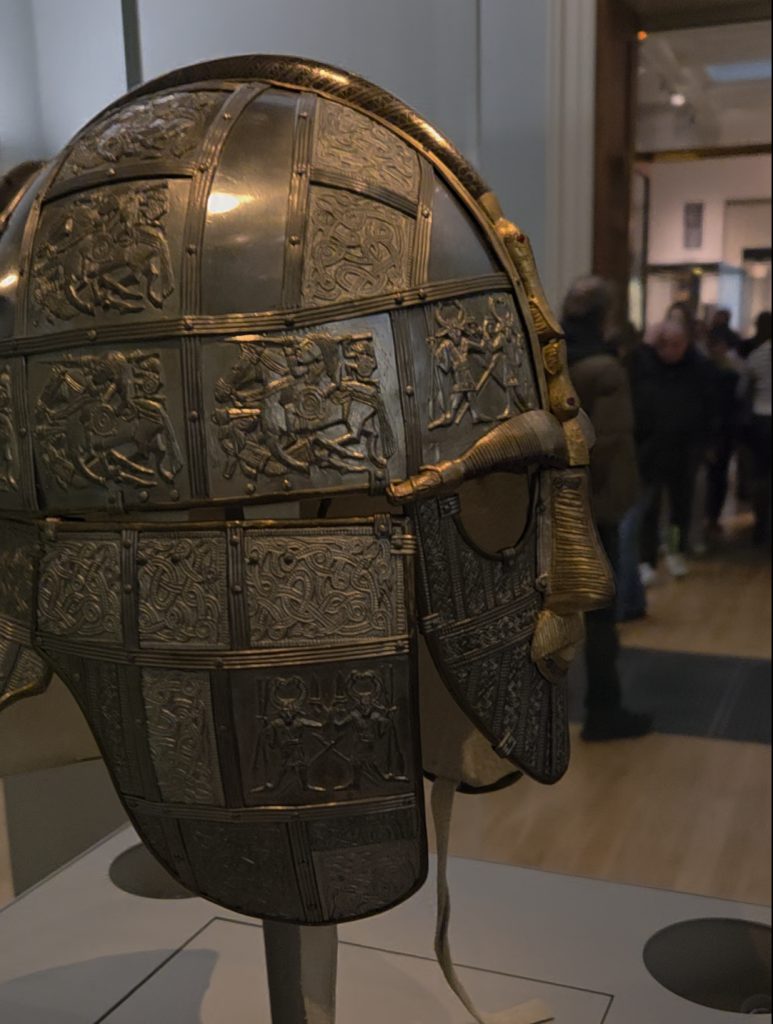 At some point in history, there was a warlord who said "I think the golden dragons on my helmet need more gemstones" Credit: Zac
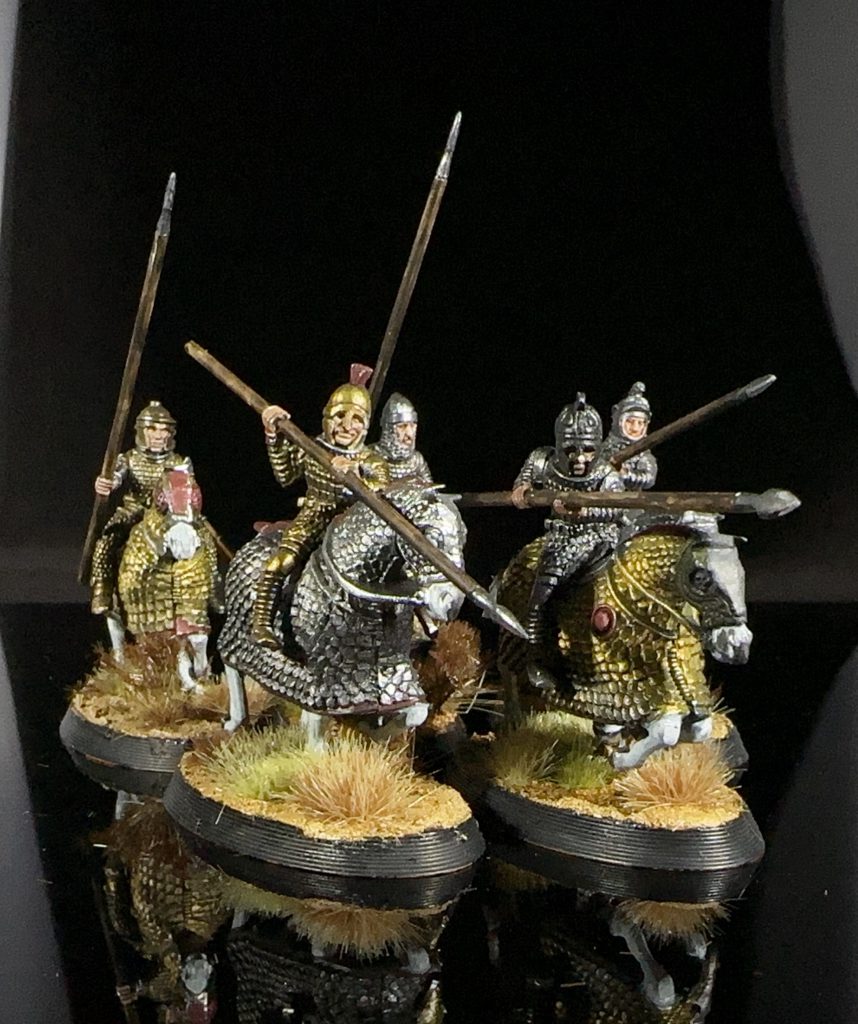 The cataphract horses count as partially armoured. I'm not entirely sure how much armour would be needed to count as fully armoured... Credit: Mike Bettle-Shaffer
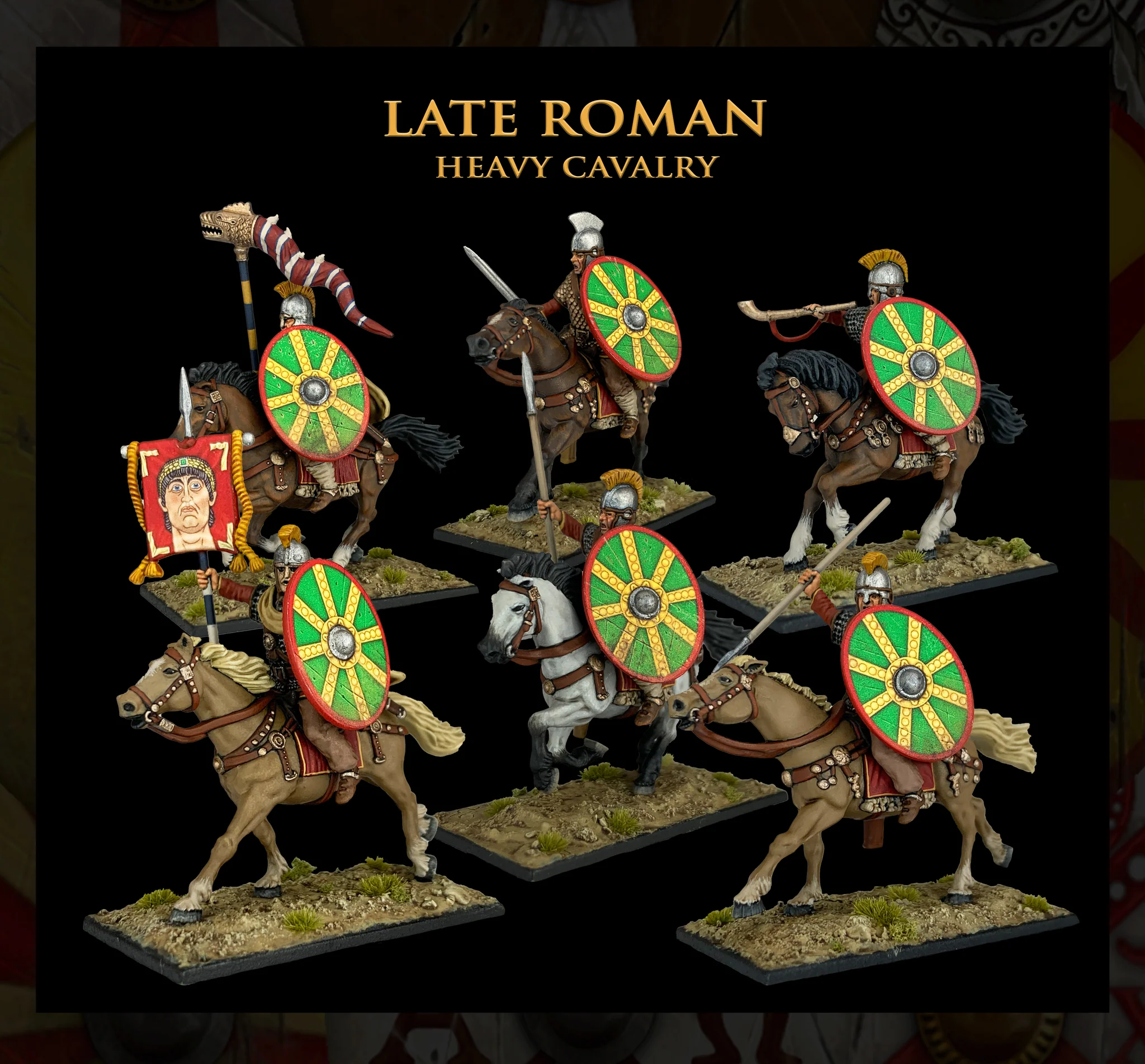 You'd need a really strong wrist to carry that standard, especially while cantering in a strong wind. Credit: Victrix

 Goonhammer Hobby Round-Up: March 2026
 Goonhammer Reviews: Tribal Conquest
 Conquest: Weaver Courts Gemred Knights and Scaile Dancers Model Review