Imagine a game that focuses on the parts of running an empire that Codex Astartes ignores and you have a pretty good idea of what the Anno experience is like. Despite having nearly every single kind of game licensed by Games Workshop, a Roman-themed city builder with a heavy focus on logistics is the closest thing to a game that would be approved by Roboute Guilliman. Anno isn't a game that I'll play for six to eight hours at a time, but I know I'll be return to it over the next few years in 45 minute increments.
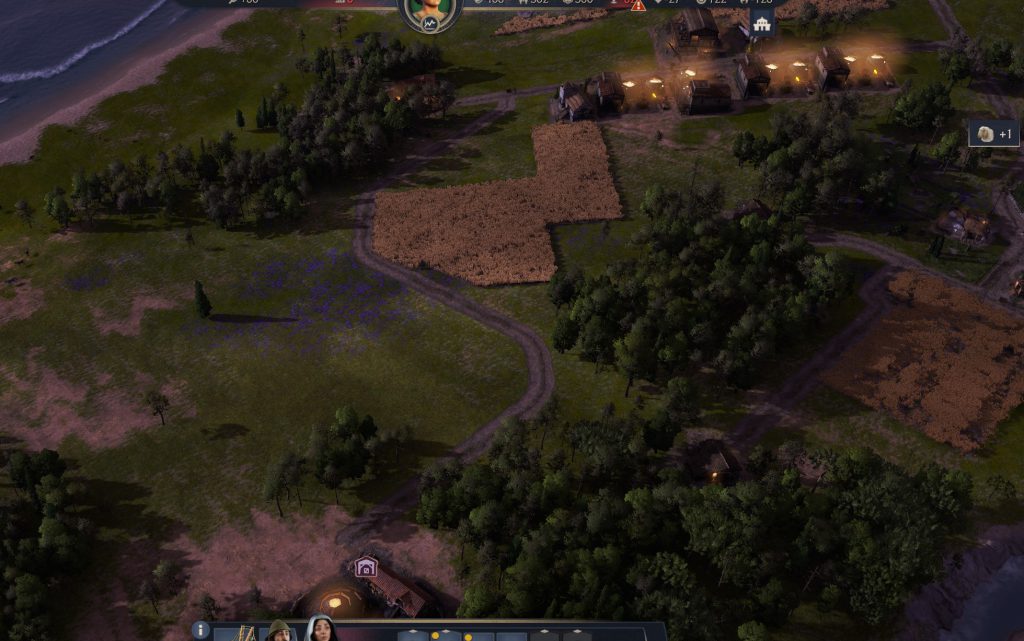 I'm sure putting an S Shaped road isn't going to cause me problems later in the game.
Anno 117 allows you to start in the Roman-themed Latium or the Celtic-inspired Albion. Which region you choose makes a major difference in both the campaign and the sandbox versions of play, and each starting region presents different production chains. The game correctly points out that Latium has larger islands more suitable for building, while Albion has smaller islands with swamps that certain resources can be produced on. Additionally, you're able to select a more Roman influenced path or retain the Celtic culture in Albion. While initially locked, you can have multiple islands on Albion, with different levels of Roman influence producing different goods.
No matter where you begin you have a starting island that seems to be unlimited in size and have all the resources you need, when all you need is wood and your most complex production chain is "bring timber to the lumber mill." Over time you unlock new tiers of workers who need more complex goods. Since different islands have different resource fertilities, you may be unable to grow grapes that are needed to satisfy your wine need or the silver that is needed for brooches on your starting island and need to settle additional islands. As a player you're going to need to decide if you build up higher population tiers on one island or just farm the raw materials and ship them to your most developed island. Some resources require you to ship them from the Latium to Albion using ships with automated trade routes.
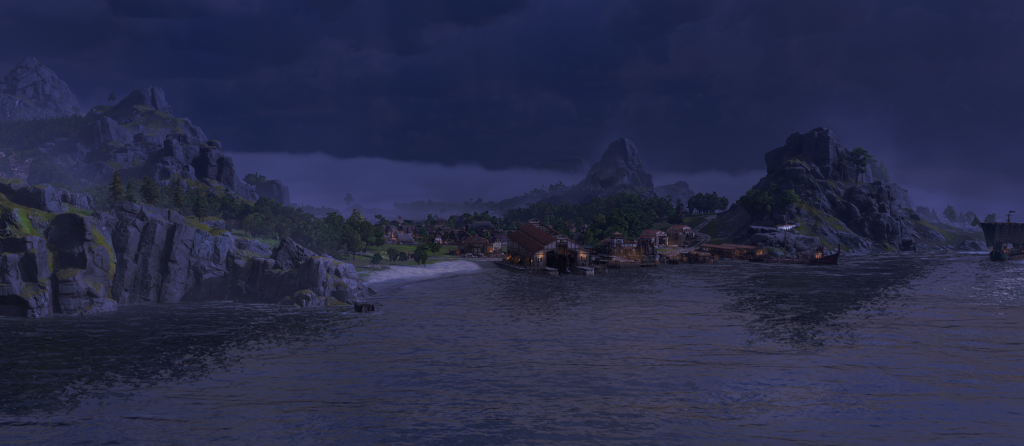 Imagine coming here because some Patricians wanted birds tongues in jelly.
Due to the expense of buildings and the relatively low caps on construction materials, cities in Anno 117 have an inertia that makes early mistakes compound. Having to move every single road and production building over two squares because you can't fit more lavender fields or need more room in the swamp to harvest birds is just a pain. While you don't have to plan poorly, part of the joy in playing this game is being a little bit naughty and just throwing down an extra warehouse and production building knowing it will have to be fixed later. These mistakes can compound over time, but unless you're attempting a specific personal challenge, you can put off later forever.
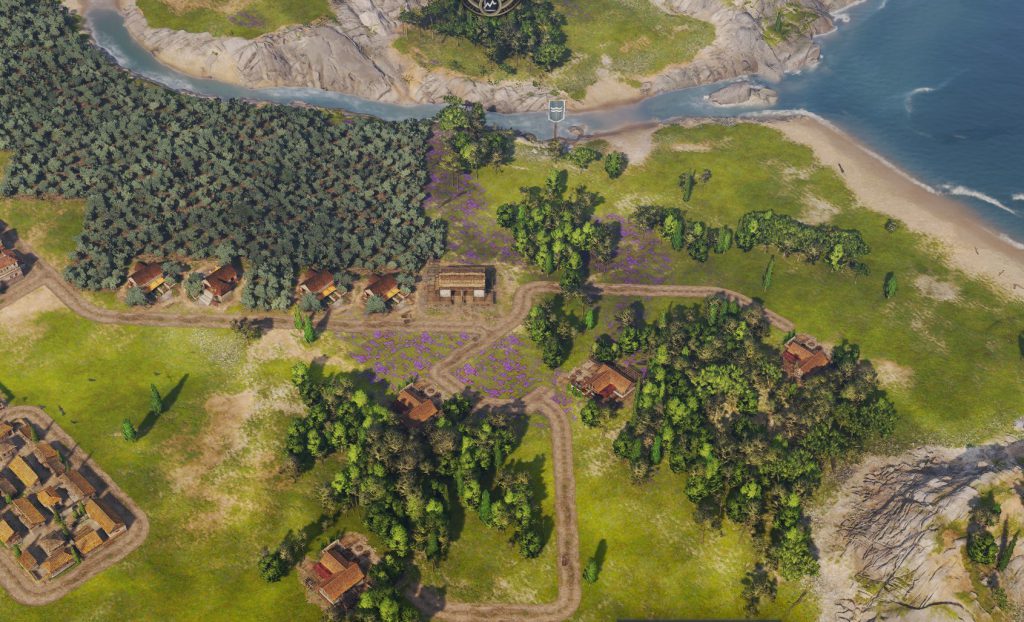 As your technology and religious devotion improves you're able to build more efficient layouts that avoid needing forests for certain production. However, you're always subject to the rivers, mountains, and coastlines.
Anno games have always straddled the line between city builders that allowed you to e.g. add a police station to reduce crime, like Sim City, and the ever-illogical spirals found in Impression Games's walking simulators, where agents would walk the city providing goods. This leads to a strangely abstracted game where construction happens instantly if you have the resources, but it can take several minutes for production of a good to be at 100%. There is a brief delay between the supply of a good and its consumption, so if you dump 100 tons of bread in a city it can take a while for your population to benefit from them. As long as you have the proper paths to and between your docks, goods magically transport between warehouses. This allows you to produce iron ore on one part of the island and get that iron to another part with routing between warehouses. However, you must physically use carts to transport the goods from the warehouse to the production buildings, while consumer goods magically are placed in the houses. Service buildings, like markets or a library, provide coverage based on the quality of your streets and the layout. While your island may need several markets and taverns to cover your population's needs, the larger theatre provides benefits to citizens at a greater distance. Anno has its own internal logic and never pretends to be an accurate simulation or representation of the world.
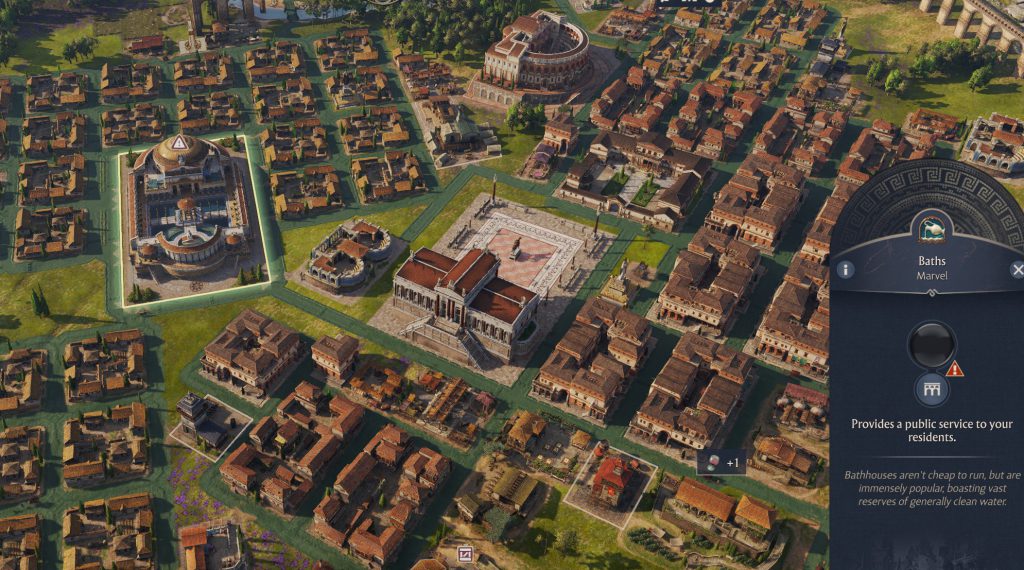 Buildings like the Baths require connections to aqueducts but benefit a large number of buildings.
If you're not coming to Anno looking for an efficiency and logistics simulator and just want to build a proper Roman (or Celtic) city, the game broadly tells you what needs your population has, what fertilities are on the island, and where a production chain can be completed. For example, the third tier of Latium citizen demands silver torques that can only be made in Albion. When you click on this need, it plainly tells you all of the inputs and that they cannot be produced on the map -- you'll need to form a supply chain with Albion. If you're focused on just maximizing your build, there are multiple skins and ornaments to enhance the visual appeal of your city. In fact, between the aqueducts, marketplaces, statues, and marble tiles playing, Anno feels more like tending a garden or painting another group of minis for your favorite army.
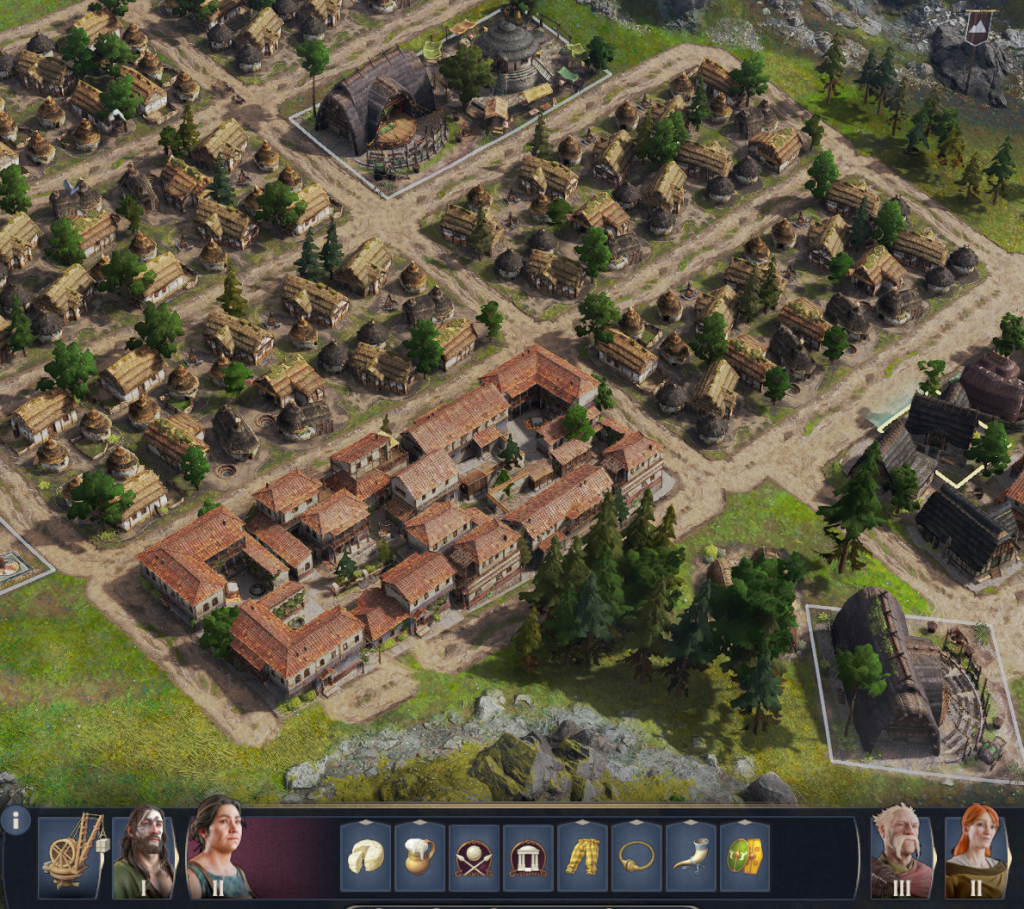 Up to five different population types can be on an island in Albion. They all have different needs and different production chains.
Much like wargaming when compared to TCGs, the real secret sauce that separates Anno from other series is the focus on the terrain and shape of your islands. People with a special interest in maximizing the efficiency of layouts have been working each type of production chain like the sofa problem on perfect 64*64 grids (complete with fire prevention buildings) since the game came out, optimizing and iterating. The magic of Anno is that these grids need to be placed on oddly-shaped islands with rivers and weird geography that prevents a perfectly efficient island, which is fine if you're like me and prefer to just "build what you need and figure it out later." This culminates mechanically in the construction of the colosseum, an epic structure that allows you to host games for additional bonuses to your population. However, much like the real Roman Republic, the true end game is creating a city that looks great and requires the wealth of an empire to keep the plebs from burning down.
Returning Sickos
One of the largest issues in modern strategy gaming is that the vanilla release of a shiny new game in a series doesn't have the depth and breadth of the long-running DLC enhanced version of the one that came out before it. While Anno 1800 started as a relatively simple experience where every game started the same, it ended after four seasons of DLC with five different maps in with four distinct production biomes and details that allowed you to oversee everything from skyscrapers in Cape Trelawney to irrigation in Enbesa to the menu in restaurants for tourists.
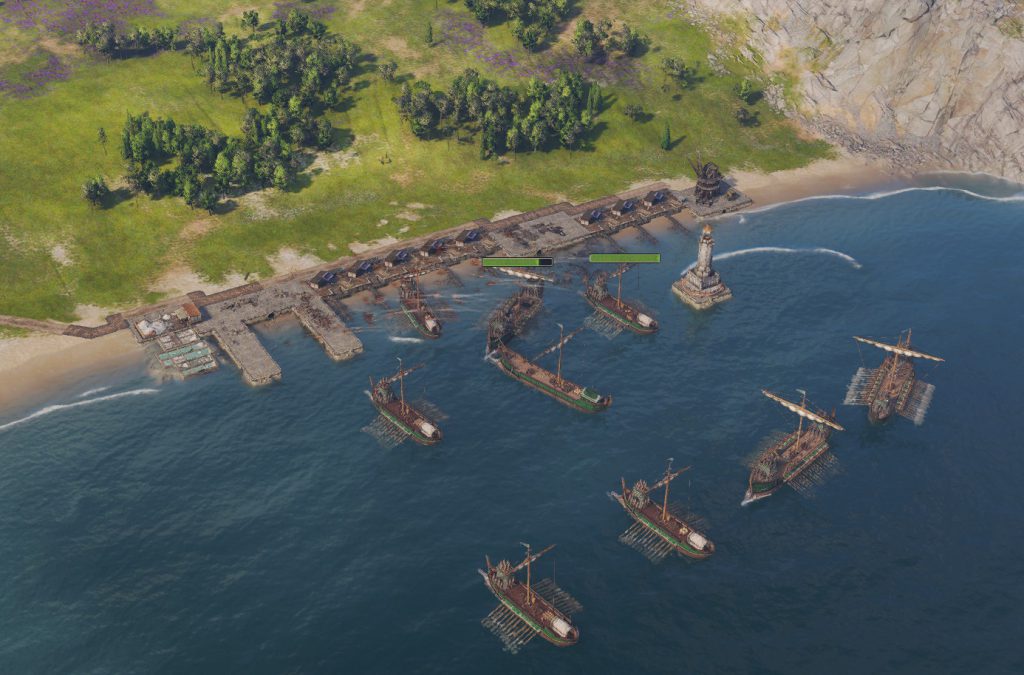 Ships attacking the shore remains part of Anno 117.
Anno 117 tries to get a jump on that feeling by incorporating a lot of the design from the end of Anno 1800 into the base game, along with making some other fundamental changes. If you only played the base Anno 1800 game, many of the options at the beginning of Anno 117 are going to feel overwhelming. For those that played four seasons of DLC, there will be options missing from 117 that were present in 1800. Technology, religion, specialists, draining water in Albion, and an advanced war system are all allowed at the start, and make this a real game for sickos, not beginners. Even just having a technology that increases the reach of markets, but not taverns, changes the way you build and think about planning for the future.
The most noticeable change is the diagonal building options. Similar to when the Civ series went from squares to hexes, this has been billed as a huge change and it delivers -- diagonal building is very impactful on the screen when building a city and can help you maximize your optimal production grid. I've found that the game wants to draw roads using the diagonal almost all the time.
Another change to gameplay that influences the look and feel of your cities are the bonuses and maluses that production buildings provide when overlapping houses. In prior Anno games housing occurred as far away from production as possible since people didn't like living near pig shit but loved eating sausages. Now, production buildings such as the soup maker can reduce happiness but increase health. Many of these buildings increase your susceptibility to fires while increasing your income. Still, you only want to have a single production building impacting your housing since the maluses stack while the benefits only occur once. If you built 8 soap production buildings, that why your people hate you. You're going to be building a lot of soap production as lavender fields have replaced wheat as the "How do I need so much of this" production item.
Now, if an earlier good in the production chain, like logs taken to a sawmill to make timber, is closer than a warehouse, the cart will deliver the raw material to the production building. While this sounds like a very small change, it completely adjusts how one can build the "optimal production chain" and just makes those optimal chains and spreadsheets slightly different. Another quality of life improvement is that destroyed buildings automatically rebuild after 15 minutes or so. While you can (and should) spend the resources to fix them, you won't have to hunt down every single fire to fix your logistical chains. Also, it feels like the AI has a much larger navy of ships looking to trade, so if you're overproducing a certain resource, setting up your ports to automatically sell it is a good way to make additional cash.
Pops themselves now consume all of the resources in the tiers below them. In prior games of Anno, the investor class would never think about eating something like bread while drinking coffee. Now the patrician class is happy to demand porridge like a common liberti. This is a major change from the prior game and makes the strategy of putting all your workers off on their own island less efficient. Since you're going to import multiple strata of goods to satisfy your population, it makes sense to have mixed populations. Also, at this time there isn't the equivalent of a wharf to allow populations to move between islands.
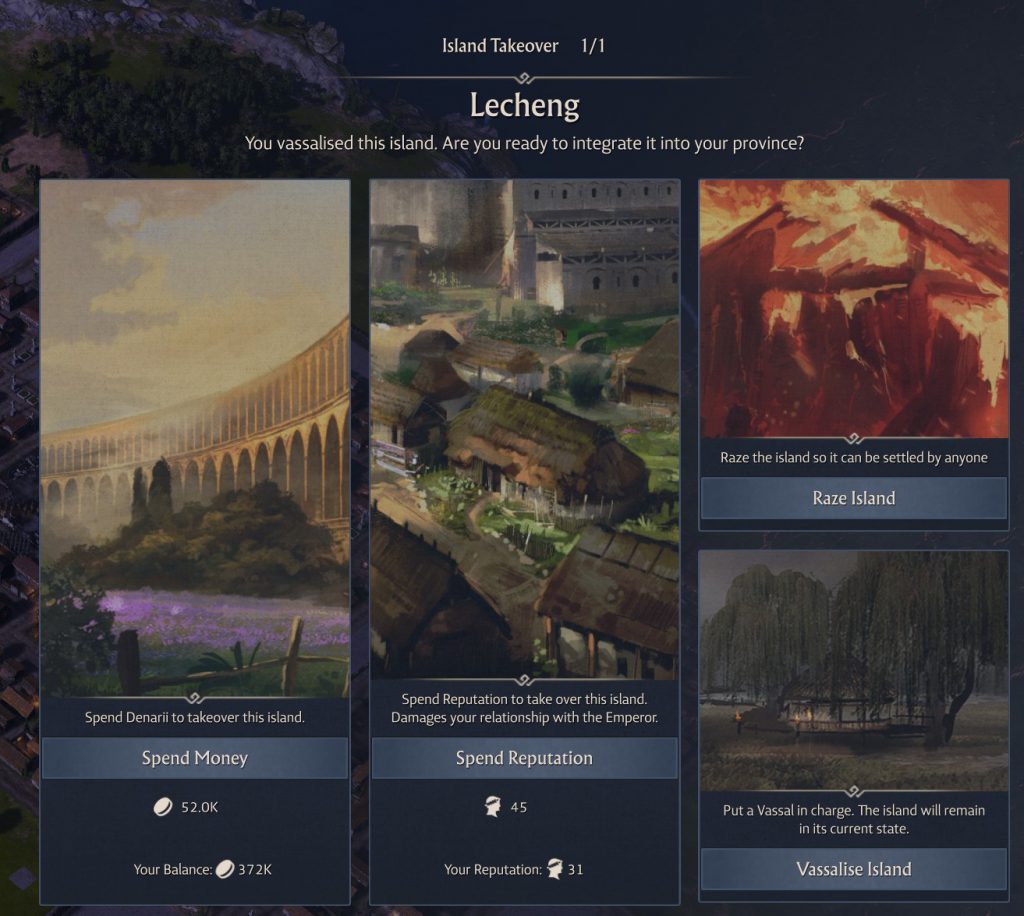 Unlike Anno 1800 Island need to be taken over by force of arms. Even after you've won there is a cost to taking the island over.
Vestal Virgins
Anno 117 isn't a forgiving entry point into the series, but what you don't need, unlike many strategy games, is an open wiki entry to understand what is happening in the game. Clicking on a home gives you an overview of how satisfied the population is and what needs are missing. Opening a building chain that requires a fertility you're missing on the island highlights that fact. Large numbers show you how prone to fire, riot, and illness your island is. Helpful green and red indicators show you the impact of a production building on your population. Nearly everything can be customized in the endless mode, and there is an abbreviated campaign to walk you through everything you need to learn to play the game. After playing the campaign once, I don't see why somebody wouldn't skip straight to the sandbox mode. The best thing I can say about it is that it is short and ends abruptly. While I find the Anno style of campy drama okay, the twists and turns of the story should only surprise young children.
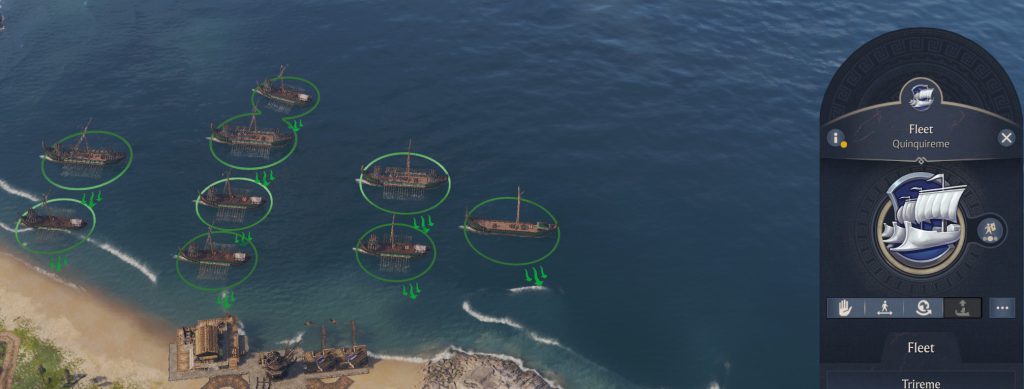 Unlike many city builders that are released in early access Anno has a great number of quality of life improvements from the start. An entire fleet of troops can disembark with a single button click. Entire road and production setups can just be copied. Buildings that are missing construction materials and be "placed" allowing you to build around them.
The game has extremely wide and customizable difficulty bands for those that just want to build a big city or move around units. There is no shame in picking the lowest difficulty and reducing the frequency of events. Compared to some in the glut of strategy games out there, Anno 117's difficulty settings are exceptionally clear with the easiest ones asking permission to settle islands, the middle tier settling islands and making some threatening noises without being aggressive, and the highest difficulty level (only one for now) being a complete dick that will attack you.
Play Your Own Way
Anno 117 is a beautiful game with strong art design and charming little details that cover your islands. Grand parades, festivals, defensive buildings, and towering aqueducts all combine so that something is always happening on your islands. When combined with the pivot view it allows you to create some stunning images to show off as the pater familias of a well-run Roman city. From time to time, quests force you to go into the streets and observe the living conditions of your Plebeians and Aldermen. Since Anno 117 always has
something happening in your cities, the cries of, "There is a fire in your city" and, "A ship has sunk" aren't really that helpful.
After playing a few games, the choices both between starting in Albion or Latium and whether to make your workers in Albion more Roman or keep to the Celtic roots don't mean much. In practice, you need resources from both landmasses and from the Celtic and Roman-Celtic production chains in Albion. Anno is the type of game that rarely forecloses any option forever, and the ability to access all of the production chains and unlock all of the research makes sticking with a prized save a good way to play, though there is definitely a point in the game where you have "won" and the only remaining option is to wait for new content to be released or start over at a higher difficulty.
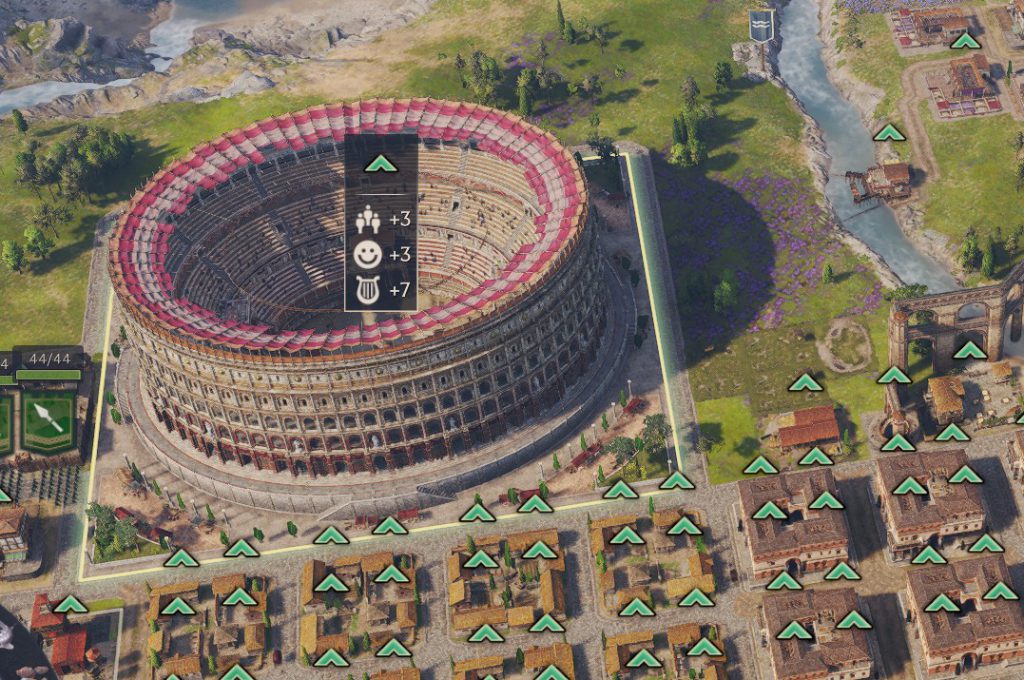 Empty Seats indicates that my circuses aren't doing it for the people.
If you have a strong computer and just want to create a Roman city for fun, Anno allows you to do that with a fair amount of patience in gathering resources. However, even at lower difficulties, building up your population and keeping them satisfied with goods can be a challenge compared to other city builders. People have already been creating "the most efficient layout for X," so by having several islands dedicated to production you can create your own Rome with an eye towards aesthetics rather than spreadsheet efficiency. In fact, once you've mastered and created an efficient empire, building an aesthetically pleasing set of islands is all you have left. Ubisoft has already announced the first DLC will have a "super island" that allows for truly epic construction.
Homo Homini Lupus
There are three types of antagonists in Anno, and you have several tools to deal with them. Once diplomacy breaks down you're able to have your navy attack other ships and islands, opening them to being attacked in return by the land based defenses. Combat is a significant investment of labor and materials and an expression of your economic might. You need a massive population to support your soldiers and if you fail to keep up a steady food supply the entire production of your island can fall apart. If you're going on the offensive, your soldiers need to be ferried across the sea to fight in combat and overcome any walls and towers located on the island. This means researching through the combat path which requires, you guessed it, significant population. Islands are always controlled in full by only one player, so you can't ever share a land border with your opponents.
In both Albion and Latium, pirates serve as your primary antagonists and will declare war on you from time to time. Even if they don't send ships to attack your islands, they will sink your ships and depending on the placement of the pirate base to your islands this can cause a significant disruption in trade. While it is possible to take a large fleet over and destroy the pirate base this is a significant investment of time and effort. Depending on the outcome you want with the Emperor, you can't just pay them off when they threaten you, so having a standing navy is important even if you want to be a peaceful trader.
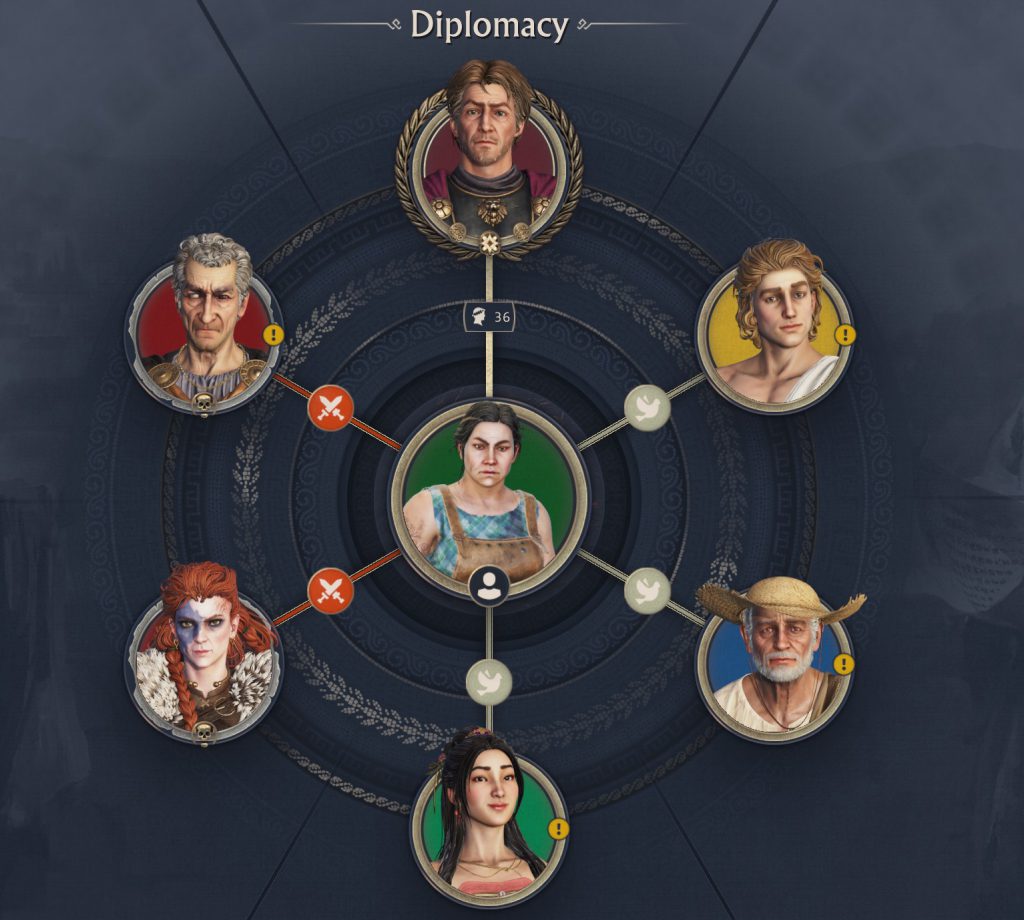 It's pretty easy to see your relations and reputation with the Emperor in Anno.
The most varied antagonists are your computer-controlled Rivals, fashioned into roles such as the governors of Egypt, Mesopotamia, Greece, and Albion. Like past Anno games these are flat farcical characters with an extreme driving motivation, preference for a certain god, and a like or dislike of certain activities like war or romanization. For example, Dorian is a twink athlete who loves the theater and will be your friend if your people are healthy and covered in olive oil. These players serve as a measuring stick for your own development and competition for islands and opportunities for trade, but your computer rivals don't obey the same rules that you do. I found that until you get to the highest difficulty level, most of the computer rivals are extremely passive and willing to make non-aggression pacts if you put a little bit of effort into pleasing them. While it may be a small sample size I cannot think of a time the rival computer players attempted to take one of my islands. If a rival takes an island you wanted, the only way to take it for yourself is to land troops and force it to your side.
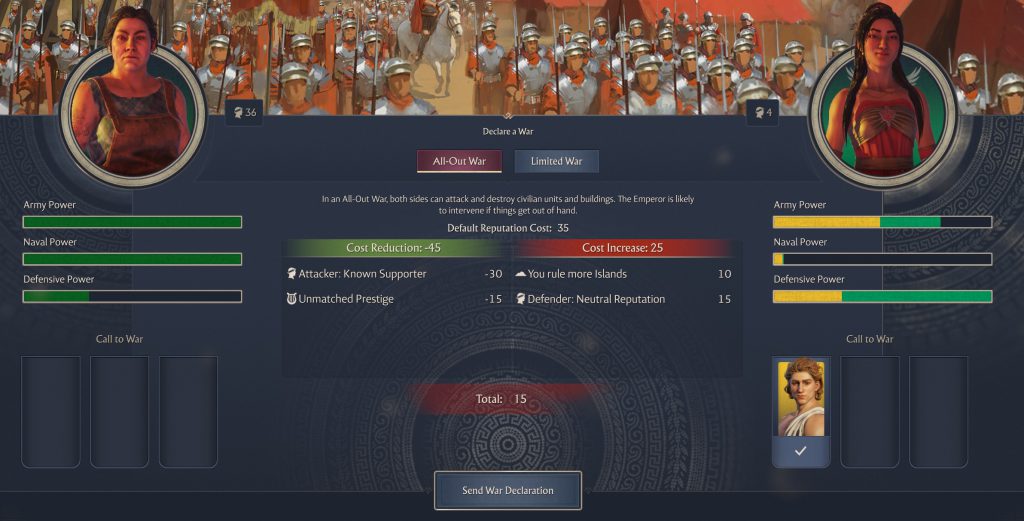 Wars can be limited, meaning you will attack troops and warships while not involving civilians, or All-Out. The Emperor can step in to stop an All-Out War.
The Emperor/Empress is a new type of antagonist that gives you quests from time to time and judges you depending on the actions and choices you make. If you have a higher reputation, it is cheaper to settle additional islands; a lower reputation leads to higher costs and a very difficult invasion scenario that allows you to be elected Pro-Consul.
One new wrinkle for interacting with your rivals is that although historically most of the combat in Anno games takes place on the sea, one of the most significant changes in Anno 117 is the ability to fight land battles and build a standing army. While combat has historically been a minor part of the series, anyone who reads this site with some regularity knows the appeal of massing forces and invading a neighbor. Land combat's biggest use in the game is to take an island from your opponent that they have settled.
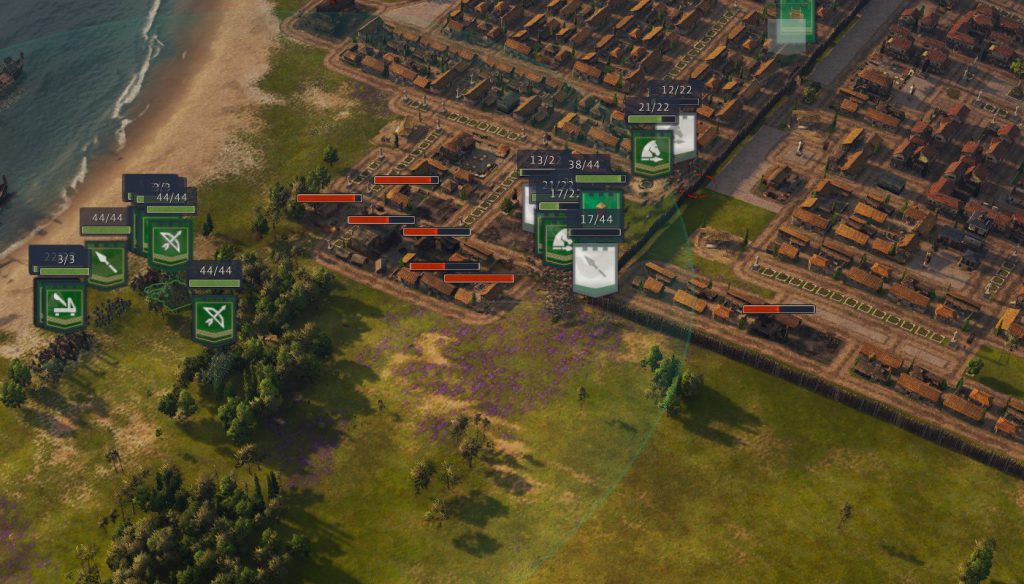 An invasion represents a lot of economic power and defensive buildings have a lot of staying power. Between the ships, troops, and research a successful invasion represents a huge opportunity cost.
What 117 Represents
Anno games have long toed the line between cozy game aesthetics and the true horror that comes from playing a game for efficiency and outcome. In Anno 1800, the highest tier of population, the investor, produced no workforce and only consumed goods, while Anno 2205 replaced your role as a political governor with a CEO title. One of the charms of the Anno series is that each game's theme comes through in the mechanical choices you make, and Anno 117 is no different.
Romanophiles know that 117 is more than a number that adds up to nine. 117 is the final year of Trajan, right in the middle of the Five Good Emperors. This represents the largest territorial control stretching from Britannia to Babylon and is squarely in the middle of the
Pax Romana. The focus on conquest, raising legions, and the possibility of civil war are at the forefront. The only threats to the empire are internal feuds between governors. Both the republic and Hannibal are in the past and the only thing left to do is build impressive structures.
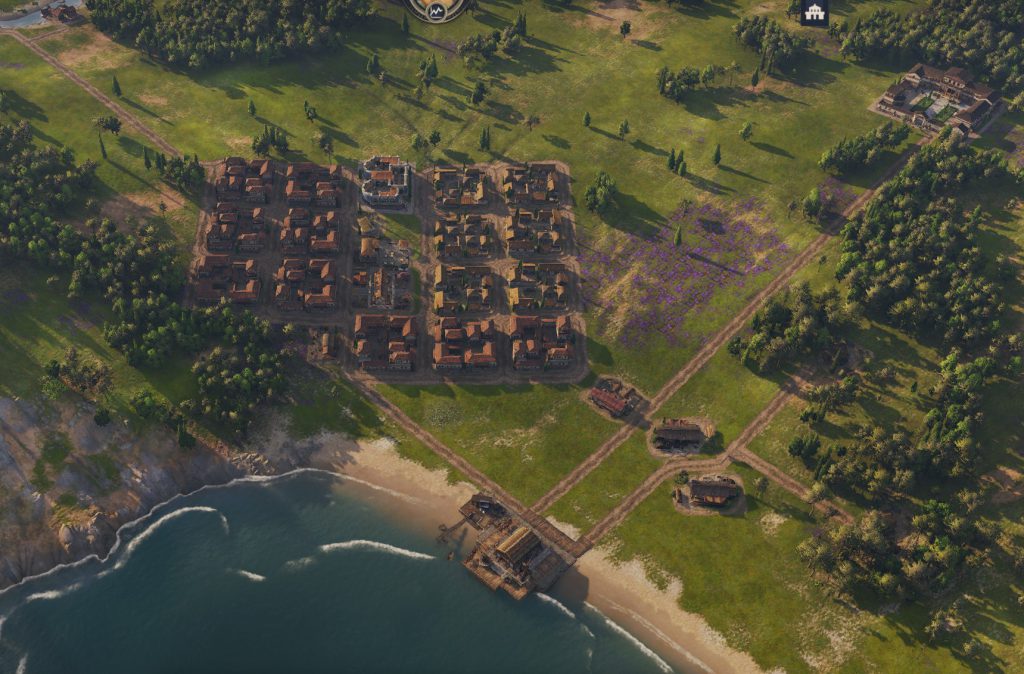 Most cities start out as a modest collection of houses.
Anno 117 forces some people to live near the pig farms and puts others closer to the baths. The highest tier of population, the patricians, consume a disgusting jelly bird tongue dish that requires immense resources, reduces happiness, and increases prestige. Unlike the recent industrial and post-industrial entries, maximum efficiency rewards locating production near the workforce. Mechanically it makes perfect sense to place your patrician homes near your most beneficial buildings and specialists, and to just dump extra libertus anywhere you can. Towards the end of the game they're really only there to serve as surplus population for ships and soldiers.
Instead of using capital and influence to purchase your opponents, you raise armies and use the force of arms to submit your opponents islands to your rule. As a player you're able to stretch this time forever as there is no calendar, seasons, or anything to imply that this is as good as it gets for Rome. If you're looking to take some pretty pictures, or prefer the day to the night, you can change the day/night cycle at any time.
Final Thoughts
The use of generative AI in the loading screens and certain campaign backgrounds, just sucks and is an example of how using AI cheapens the overall experience of the game. While Anno 1800 had loading screens with depth and character (We love our workingman who "just wanted to talk" with his hammer) the screens in Anno 117 just kinda suck. Your mileage may vary but they just look plain and the knowledge that AI was used cheapens the entire product.
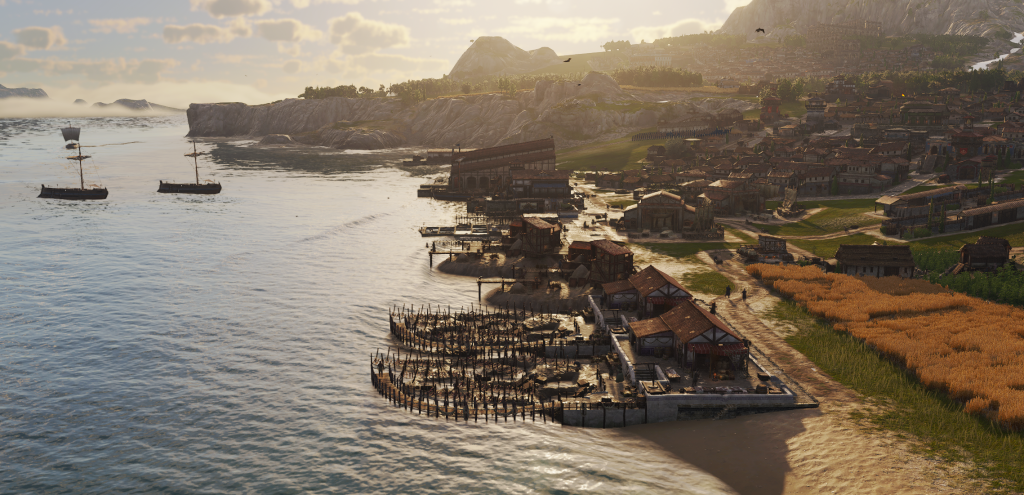 No matter what, Anno 117 looks stunning for a strategy game/city builder.
Recently, as part of the 1.3 patch released December 16th, the game was updated to remove a game breaking bug that had caused certain gods to be removed if your UBISOFT CONNECT wasn't connected while your game saved. This ruined forever games and locked you out of several bonuses to efficiency and cosmetics FOREVER. As the chief video game goon has said, "modern gaming blows". Fortunately, I can confirm that the fix was backwards compatible.
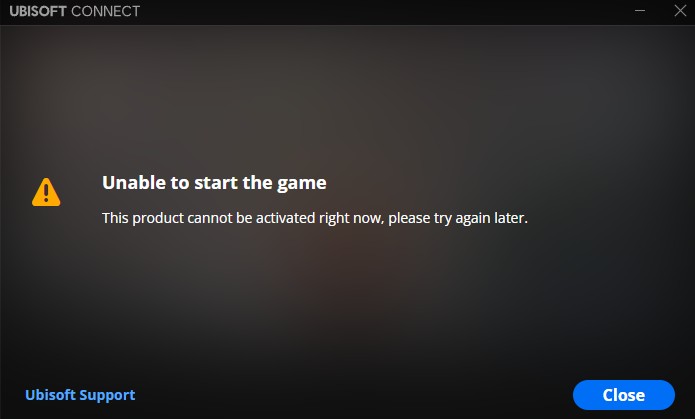 I see this about 25% of the time when I attempt to play the game. I appreciate that Ubisoft wants me to fold laundry instead of playing a game.
If you're a sicko like me the last few months have been overwhelming, with a new EU mainline game, the release of Anno 117, the 1.0 release of the post-apocalyptic beaver city builder, and the War and Sails DLC for Mount & Blade Bannerlord 2. Anno 117 is by far the most polished and attractive game in the sicko strategy space and is the one that can easily be played by people with normal goals like "I want to build a pretty looking city" and "I want to fight a battle and burn stuff." However, if you like the idea of using spreadsheets to model out future demand, drawings on the Euclidean plane, and caring for the health of the Roman family Anno 117 will be a great time once the promised patch fixes the game-destroying god bug. Once this bug is fixed I know I'll slowly start expanding my spreadsheets and putting real thought into diagonal building.
This game was reviewed using a commercially purchased copy on steam after playing the public demo. The review is based on public builds through 12/18/2025.
Have any questions or feedback? Drop us a note in the comments below or email us at contact@goonhammer.com. Want articles like this linked in your inbox every Monday morning? Sign up for our newsletter. And don't forget that you can support us on Patreon for backer rewards like early video content, Administratum access, an ad-free experience on our website and more.Thank you for being a friend.
 This website uses cookies. Learn more.


 Goonhammer Hobby Round-Up: March 2026
 Goonhammer Reviews: Tribal Conquest
 Conquest: Weaver Courts Gemred Knights and Scaile Dancers Model Review