Of all the special forces in WW2, none have as much mystique and near-unbelievable stories attached as the various Commonwealth raiding forces in North Africa. The Long Range Desert Group, Special Air Service, Popski's Private Army, and (in Italy) the Canadian First Special Service Force all have an allure to the wargamer that far outstrips their impact on the battlefields of WW2. There's probably more models of them out there than there were men on the field, and there's something about the combination of desert uniform, shemagh, jeeps, relaxed discipline, and Vickers machine guns that makes for an exciting and interesting modelling project. I've dug into the various raiding forces to dig out the best models, ideas for conversions and army lists to help you get your SAS Rogue Heroes onto the tabletop.
Who Did All That Raiding?
North African raiding forces arose out of a very specific set of circumstances. A battered and bloody Eighth Army reeling from a succession of tactical errors, strategic disappointments and rampant Churchillian fiddling about looked, in late 1941, for something - anything - to disrupt the advance of the Afrika Korps, and dispel some of the growing myth around Rommel. This is all happening in a Cairo and Alexandria that were increasingly the lair of the army's weirdoes, misfits and mad geniuses - either civilian or military - who pressed a harassed Mediterranean HQ for resources to run their own little wars. Topping it off was British colonial policy of exploit the natives however you can while studying the local terrain because you're both an administrator and a kind of amateur explorer. What that added up to was a series of different, slightly madcap units that would roam the Libyan desert blowing things up, doing reconnaissance and severing the fragile supply lines keeping Rommel's men and Panzers moving. When the enemy is vulnerable to small groups of soldiers wandering around the desert with a big car full of explosives, the more than slightly eccentric Commonwealth approach to the war in North Africa turns out to work pretty well. Three main forces - not all equal in size or effect - operated behind enemy lines in 1941-43.
The Long Range Desert Group
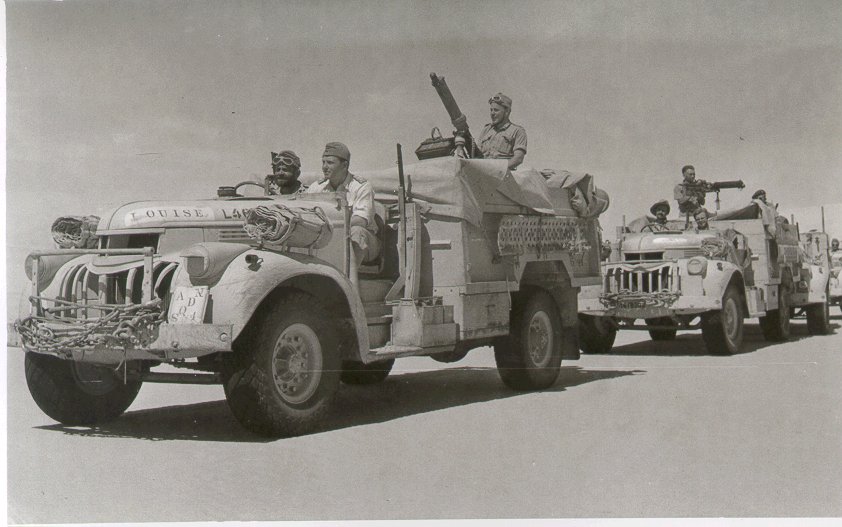 LRDG Trucks - By Unknown author - Official British war photographer, Public Domain, https://commons.wikimedia.org/w/index.php?curid=31025412
The LRDG was the first of these forces, organised in 1940 by Major Ralph Bagnold, drawing on his extensive experience of exploring/sodding about in cars in the deep desert between the wars. New Zealanders, Rhodesians and Brits made up the majority of the LRDG, and their task was to perform extremely long-range raids and reconnaissance far, far behind enemy lines. While they did a lot of blowing things up, their key skill and impact was in being in the right place at the right time - reliable(ish) transportation and reconnaissance, particularly watching traffic between Tripoli and Benghazi.
LRDG tend to be what we think of when picturing raiding forces in North Africa. Heavily laden Chevrolet trucks and soldiers with long scraggly beards and Arabic headdress staring out of dust-covered faces.
The Special Air Service
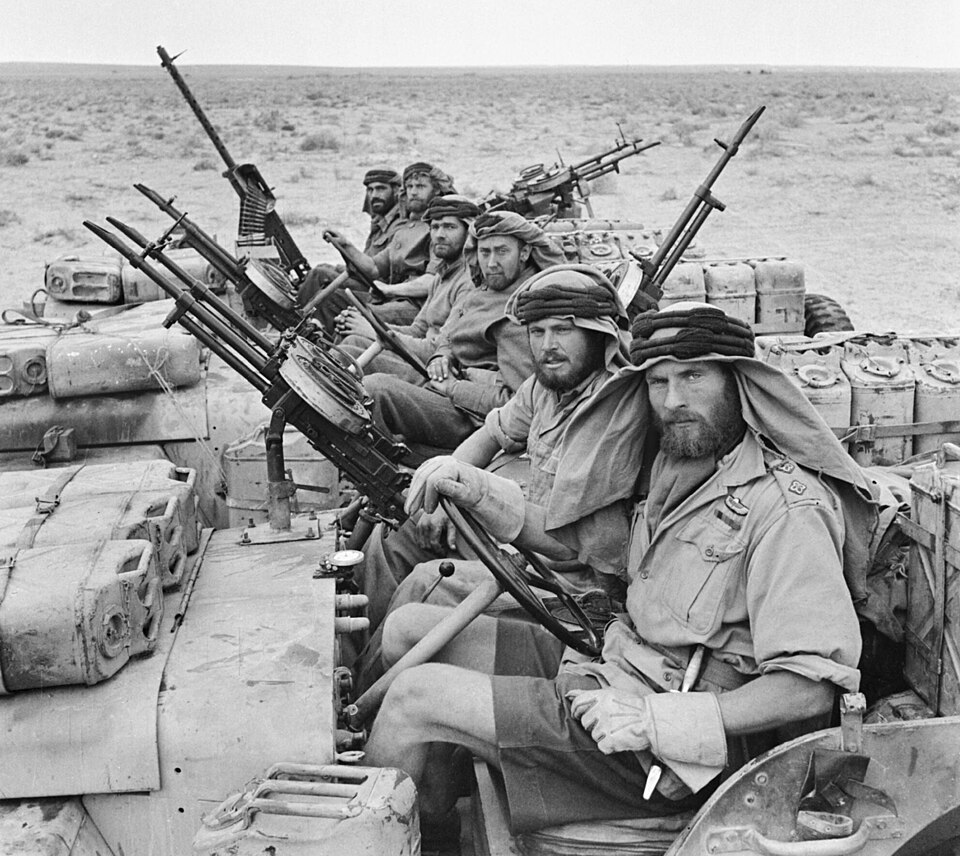 SAS in North Africa - By Keating (Capt) No 1 Army Film & Photographic Unit - This photograph E 21337 comes from the collections of the Imperial War Museums(collection no. 4700-32), Public Domain, https://commons.wikimedia.org/w/index.php?curid=1460661
The SAS was formed in 1941 by David Sterling in a classic bit of British Officer Opportunism (TM), and quickly set about blowing up planes, fuel dumps and transport vehicles while leaving bloody carnage in their wake. Their exploits are hugely eulogised - check out SAS Rogue Heroes for a fun if variably accurate take on them. Comprised of British, French and Greek squadrons, they had their own kit and transport, but would occasionally use the more expert LRDG to get where they needed to go. There were notable successes in North Africa and across the Mediterranean in the lead up to the Second Battle of El-Alamein, and in the chase across Libya.
Popski's Private Army
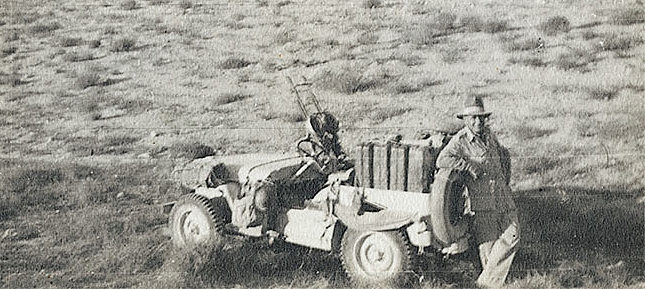 Peniakoff Himself, By British/Commonwealth military - Imperial War Museum, Public Domain, https://commons.wikimedia.org/w/index.php?curid=6101532
The least well known and my personal favourite of the three main raiding forces, Popski's Private Army (1st Demolition Squadron) were formed in 1942 by businessman turned volunteer Major Vladimir Peniakoff, undoubtedly one of the classic "real eccentric hero guys" of the second world war. The PPA was aimed squarely at destroying fuel, and did so with enthusiasm, eventually moving into long-range penetration and recon, ending up as one of the first units to link up with the advancing Americans during the Tunisia Campaign. Personally, got to love Popski's Private Army, mainly because the man himself looks - and reads - as if he's walked out of an adventure novel, full colonial safari suit and everything.
Modelling Raiding Forces
OK, that's a basic intro to who we're working with here. To model these raiding forces in 28mm, you're largely looking at 8th Army or Far East Infantry (with the desert gear on, of course), and 1939-1941 era vehicles). All three were light, fast moving and long-range forces, so this will be a mainly infantry and transport based army - leave the Churchill tanks at home! Forces were mainly equipped with early war British gear, though with a lot of room for customisation, particularly in headgear and weaponry. You can also use British/Commonwealth Winter models too - the Libyan desert gets bloody cold at night (believe me, I've been there), and winter gear is winter gear regardless of the theatre.
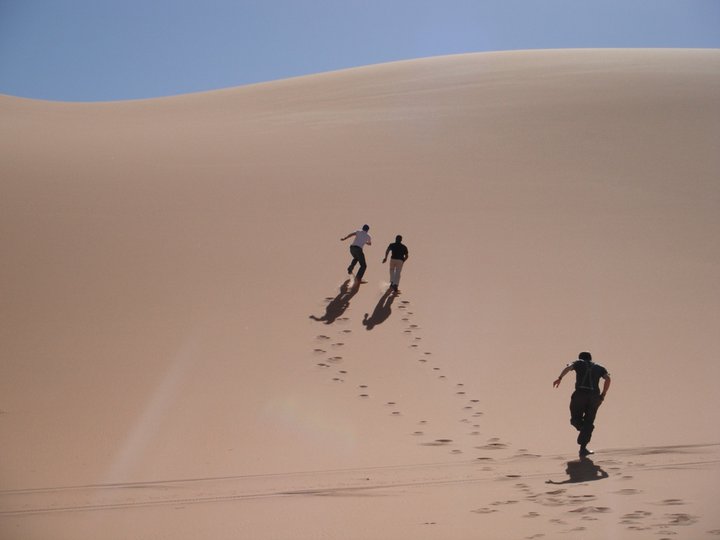 I'm one of these but I'm not sure which one. Me and some other people in the Libyan Desert
These would be a largely British modelled force, but the inclusion of Free French, Civilians, Arabs and disguised soldiers in German or Italian uniform isn't out of the question. There's enough personal biography of crazy deeds and unlikely allies out there to put just about anything you fancy into your Raiding army.
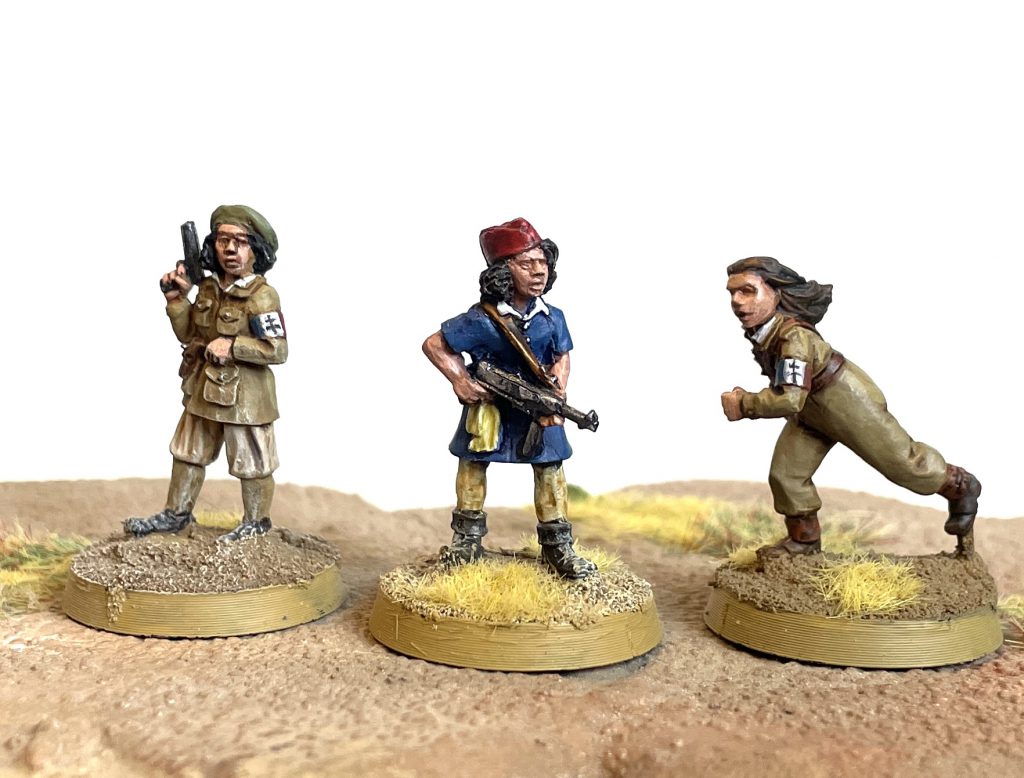 Free french? Why not. Commonwealth raiding forces. Credit: lenoon
Models: Infantry
Luckily, there are a huge range of infantry models suitable for these raiding forces, including a wide range of character minis if you'd like specific historical figures in your army. It's well served for plastic options, with two main choices: The Warlord 8th Army/Commonwealth sprue, and the Perry 8th Army Sprue. Both sprues are almost identical, with the same options and range on both (Anti-tank rifles, demo charges, machine guns, small mortars, and so on). The Warlord kits have a wider head variety - the only difference between the two boxes is the head choices - while the Perrys supplement their plastics with a variety of metal heads.
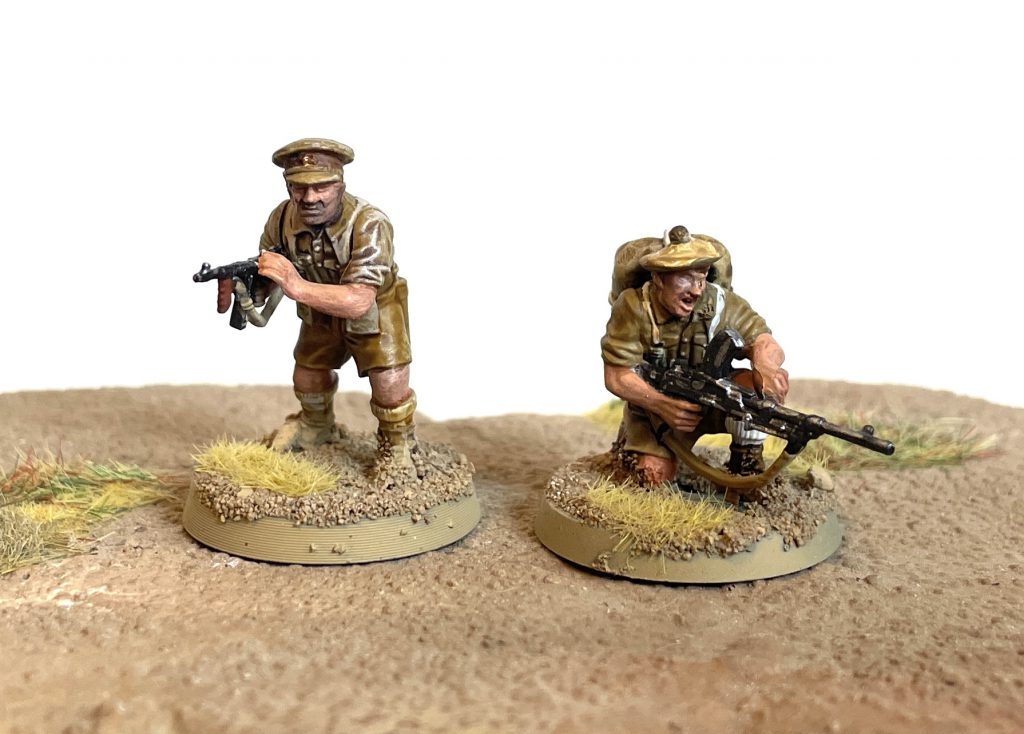 Headgear aplenty Commonwealth raiding forces. Credit: lenoon
The advantage of the Warlord set(s) is that they come with a massive variety of headgear - turbans, lemon squeezers, bonnets, officer caps, shemaghs, slouch hats - that let you model the various fighters of the Commonwealth and Empire. I do like that as a modelling opportunity, but there are some downsides I can't really get over!
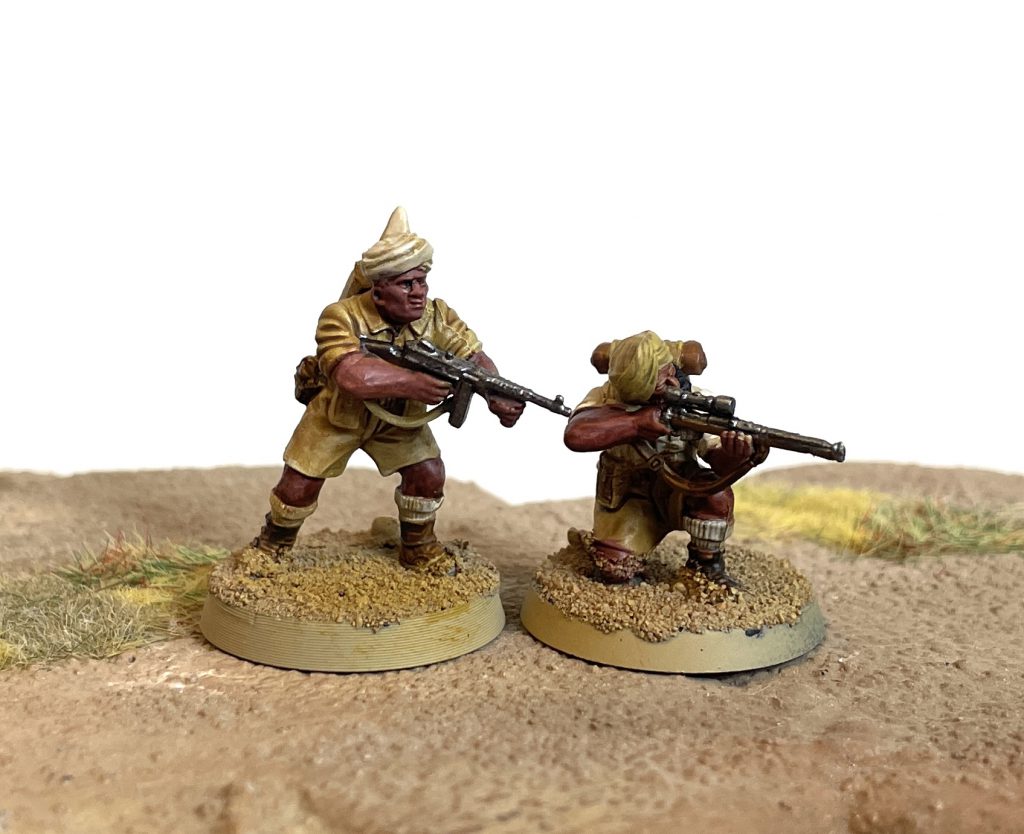 Commonwealth raiding forces. Credit: lenoon
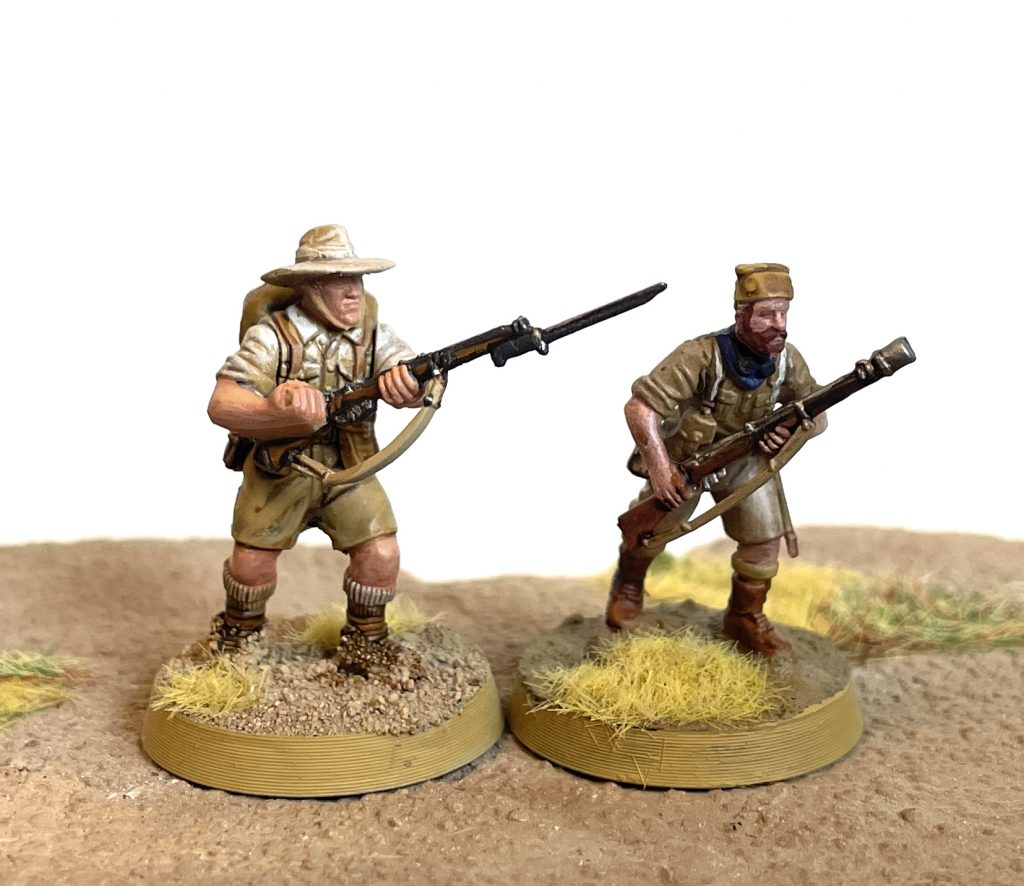 The scale difference is insurmountable for my - and the Perry kit works alongside rubicon too! Commonwealth raiding forces. Credit: lenoon
I'll be honest here. I started this with the Warlord plastics, but after painting up a squad I've come to really dislike them. They're an older Warlord kit so they are chunky - gorilla like proportions of hands and arms - to a pretty comical degree. While I have them, and they're painted, I'll be replacing them with the much finer and nicer Perry plastics which, at least, look human. Even in their unfinished state, I like them a lot more. The Perry kit also scales with a wider variety of vehicles, while the Warlord proportions pretty much lock you in to Warlord vehicles - even there, the Perry plastics are a better shout.
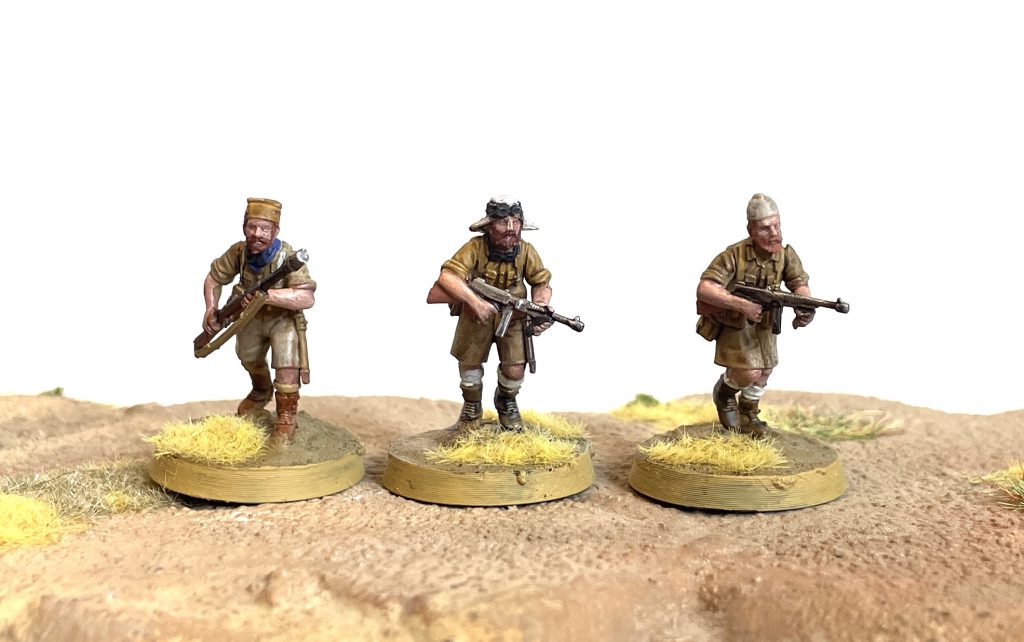 Perry Plastics. Commonwealth raiding forces. Credit: lenoon
If you're not looking for plastics, you're in luck with raiding forces. Just about everyone who makes WW2 metals has SAS/LRDG/8th Army models in their collection.
Artizan,
Perry,
Empress,
Offensive Miniatures and many, many others make excellent suitable metals with more or less every option available. Even if you're a metal convert, I'd recommend picking up at least one Perry sprue, though, largely because you'll want some additional bodies and kit for your vehicles.
Models: Vehicles
Now we're talking! Without their trusty vehicles it would have been a long walk to Benghazi, and the heavily laden, customised vehicles of the North African raiders are absolutely the draw for the army. Again, there's a huge range of options out there.
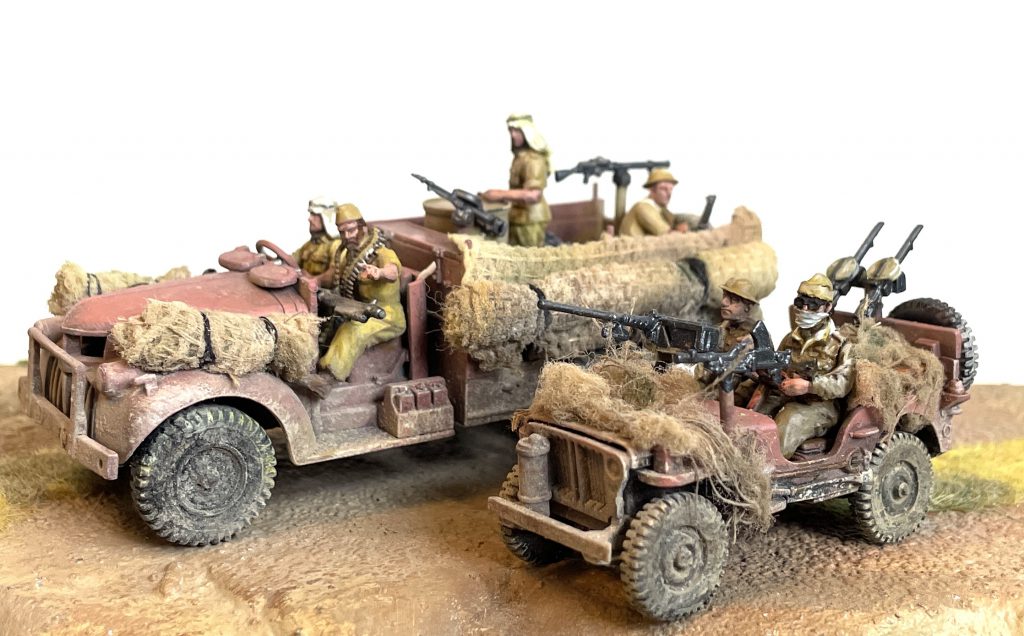 Rubicon Vehicles Commonwealth raiding forces. Credit: lenoon
First stop for ww2 vehicles should always be Rubicon - the
Chevrolet,
CMP and
Willys MB kits are the bedrock of a raiding force. All three kits are highly customisable, have specific North Africa builds, come with a ton of bits (especially weapons) and are easy to work with. The drivers are finely scaled, working much better with Perry plastics and the various metal ranges than they do with the Warlord guys. If you haven't built Rubicon kits before, these are proper scale models that double up as wargaming pieces, so the level of detail is intense and fun to play around with. Additional sets of stowage and weapons allow you to customise these kits further.
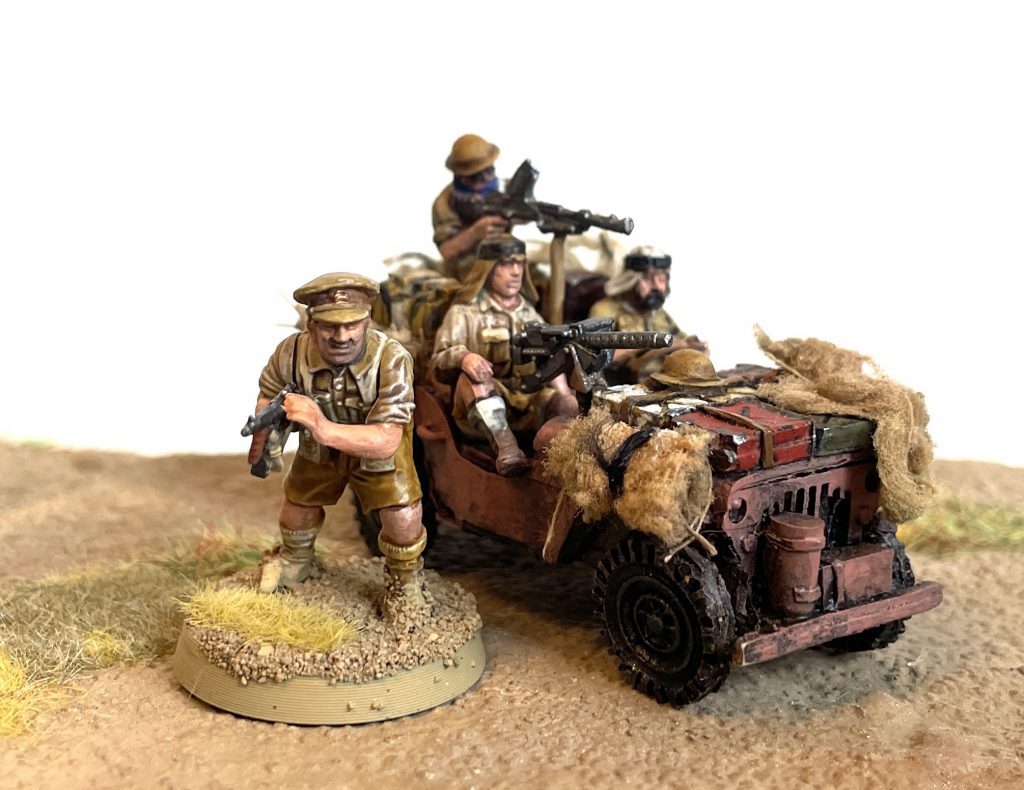 Perry Vehicle, Warlord Infantry Commonwealth raiding forces. Credit: lenoon
Perry also sell a range of resin and metal vehicles that scale well with Rubicon. The Perry Jeeps are single piece resin with metal crew and wheels, which makes assembly quick and painting/cleanup a bit more of a job. However, they are bloody nice, so picking one up to supplement any Rubicon kits is well worth it, and the LRDG versions come with stowage pre-modelled.
The last major source is
Offensive Miniatures, which produce a variety of trucks and a jeep. These are all-metal construction, which is not for the faint hearted, but the detail presented looks excellent, and you can pick up some specific variants in the ever popular Scorpion's Tail and Command versions of the Chevy. Once it arrives, I'll update this into a proper mini-review!
Models: Conversions
While you can do a lot of conversions, messing about and unique kit in WW2 forces, this can really come to the fore in North African raiders. Use of everything they could find and theft of any enemy material that wasn't nailed down means you can - and should - bring in German and Italian kits too. Captured German and Italian guns were common, French and Greek troopers would occasionally use national firearms, helmets and water bottles, the Italian backpacks were highly desired, and noone was above sticking an MG 34 or later 42 onto their vehicles. Picking up a box - or sprue - of the
Victrix Germans or Wargames Atlantic Italians will provide you with appropriately scaled captured weaponry, uniforms and accessories to add to Perry and Warlord plastics. Italian and German vehicles could also crop up - particularly the well regarded Autoblinda.
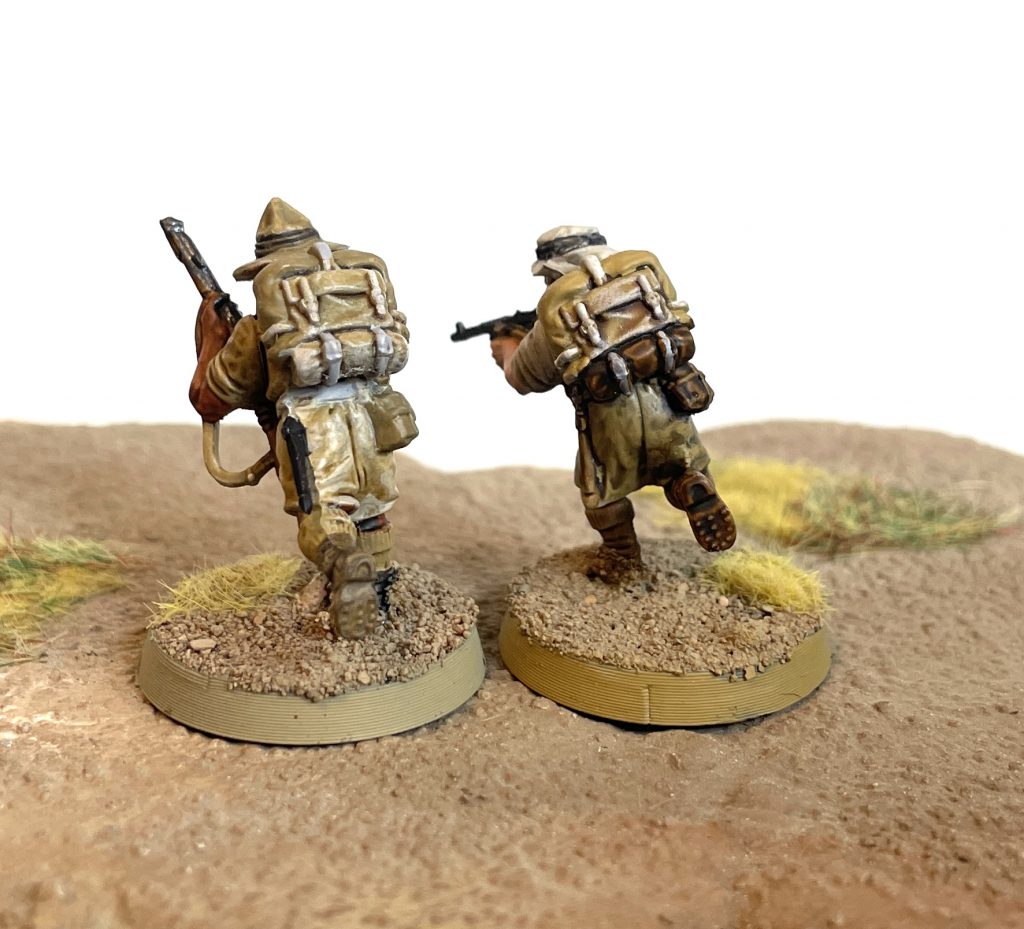 Italian Backpacks! Commonwealth raiding forces. Credit: lenoon
Vehicles can also be extensively converted. There were commonly accepted and near-universal modifications made to the vehicles used by raiding forces, like cutting down extraneous structure and adding water condensers, but vehicles were individually modified by patrols and units. Popski, famously, used his own car (the "Pisspot") until it was accidentally scrapped. Cutting up civilian vehicles should be encouraged, while messing about with gun positions, configurations and stowage is absolutely compulsory!
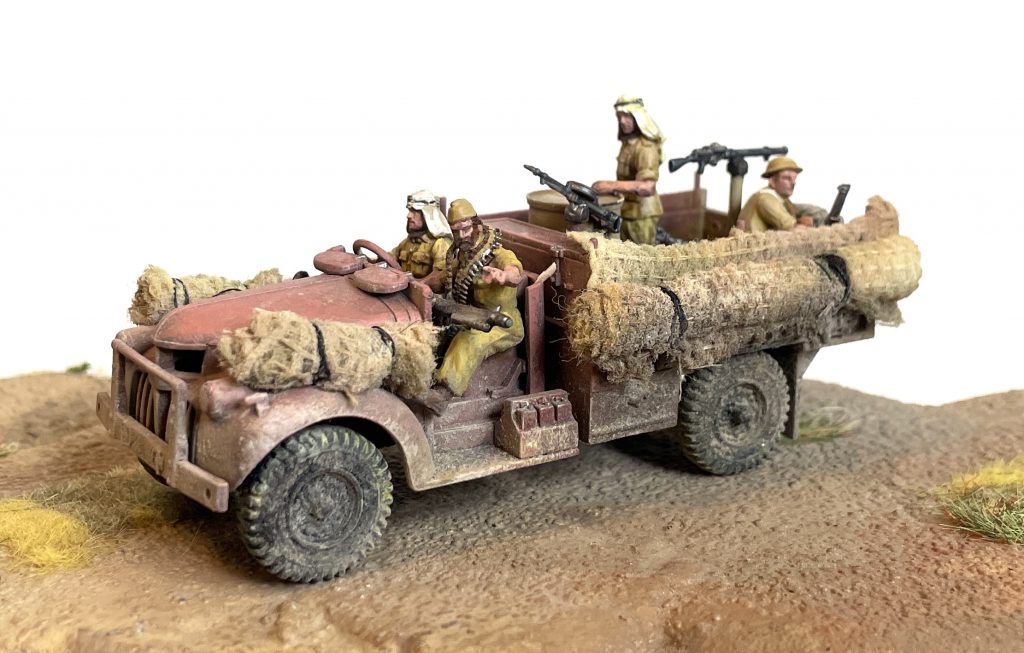 I've used gauze and various bits box pieces to customise this chevy. Commonwealth raiding forces. Credit: lenoon
Larger-scale conversions might include the occasional heavily laden tank (if you want to stretch the boundaries of regular kit, or model the raiding forces working with standard units in the Tunisia Campaign), but the exciting idea to me is to make some portees. I haven't had a crack at this yet, but all three main raiding forces occasionally used mounted anti-tank guns on the back of trucks. I'd love to see a Bedford or CMP with a rear mounted 2 or 6lb gun, and this would give any army some serious bite on the tabletop.
Reading the Raiders
Before you start modelling, I'd really recommend having a read of some of the first hand accounts of what these men went through during the war. The biographies and immediate histories are great, gripping and often absolutely bizarre. The big three I'd recommend are Libyan Sands by Ralf Bagnold, which charts the origin of the LRDG in joyrides across the desert in the 1920s and 30s, Eastern Approaches by Fitzroy Maclean, one of the war's great weirdoes who gives some incredible accounts of essentially just messing about in Benghazi achieving very little, and Popski's Private Army by Peniakoff, a ludicrously detailed and almost unbelievable history of the unit.
There are a million secondary histories of the SAS and other raiding forces, but the majority of them draw heavily from these three books with a little of the official history thrown in, often to portray Churchill as a mastermind of skullduggery in warfare. One of the largest and best online sources is the
Long Range Desert Group Preservation Society, whose meticulous research goes into great depth on every aspect of the LRDG and is well worth a read for any wargamer.
How to Play the LRDG: V for Victory
After all that, how do they play and how do you make an army of them? Many WW2 games will have specific force or theatre selectors for North African Raiding forces. Bolt Action has them in Duel in the Sun, Chain of Command has them buried in the forums and V for Victory has the new From Poland to Sicily supplement. In all cases, they tend to be vehicle mounted elite forces, with a small number of infantry all riding heavily armed vehicles. You want to play fast and fragile, bringing a mass of MMG and HMG fire on your opponent before - hopefully - sodding off out of danger.
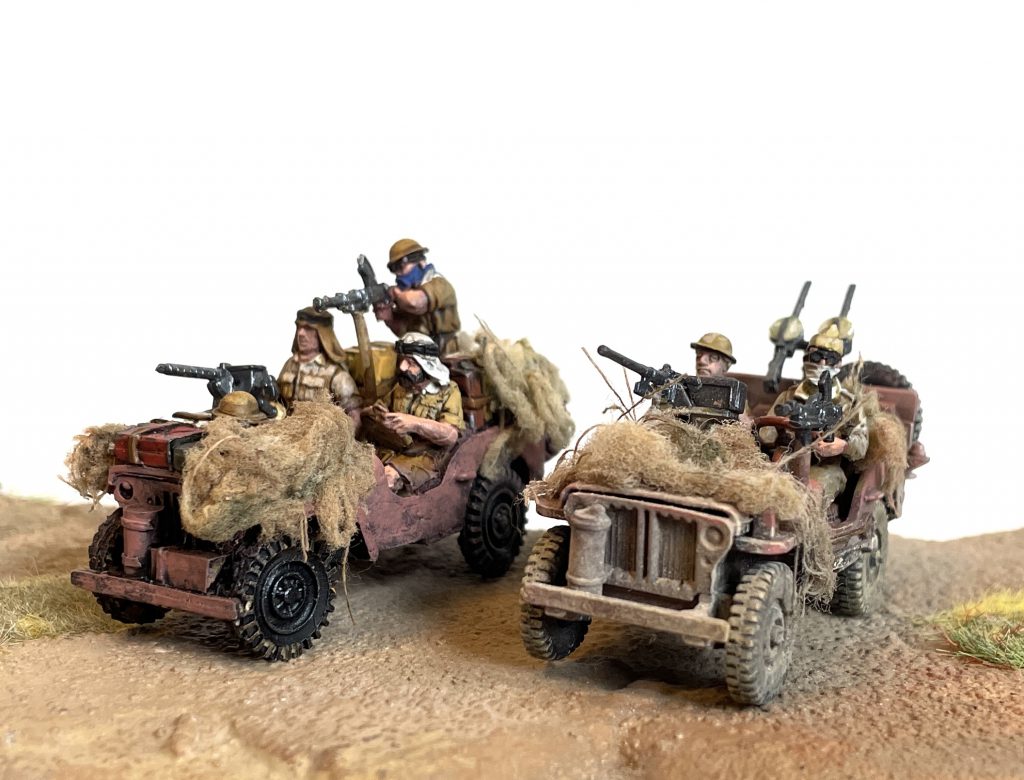 Commonwealth raiding forces. Credit: lenoon
For V for Victory, I've focused on making one large reinforced squad, with a heavy SMG component in a dedicated fireteam. Two Jeeps and Two Chevys give me enough transport for everyone, with a general game plan of dive troopers into cover - where their additional stealthy rules let them weather fire - while driving about like a madman shooting everywhere. Anti-tank is largely based on lucky rolls, though the light anti-tank of the purloined Autoblinda, or a second-rate tank could do some work in a pinch!
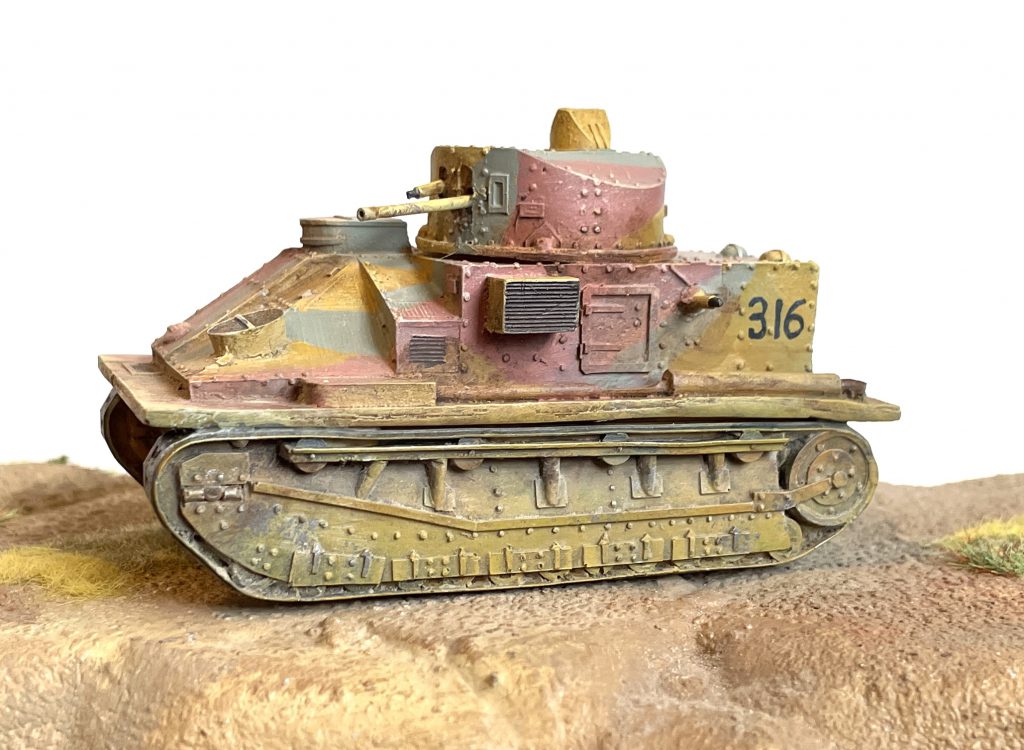 Yes, three of them got sent to Egypt and they were all scrapped, but the war wasn't fought by tiny plastic men so give me a break Commonwealth raiding forces. Credit: lenoon
I'll let you know if I have any success - much like the formation of the SAS, I've got the men together and no idea how it's all going to play out. It's a small, compact force that will wilt in the face of heavy firepower, but if I'm facing massed machine guns to the front I've done something wrong. You need to play by guile, not by strength, and, of course, who dares, wins.
Have any questions or feedback? Drop us a note in the comments below or email us at contact@goonhammer.com. Want articles like this linked in your inbox every Monday morning? Sign up for our newsletter. And don't forget that you can support us on Patreon for backer rewards like early video content, Administratum access, an ad-free experience on our website, and subscriber-only content covering competitive Warhammer 40K!Thank you for being a friend.
 This website uses cookies. Learn more.


 Goonhammer Hobby Round-Up: March 2026
 Goonhammer Reviews: Tribal Conquest
 Conquest: Weaver Courts Gemred Knights and Scaile Dancers Model Review