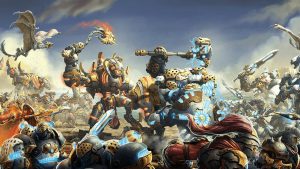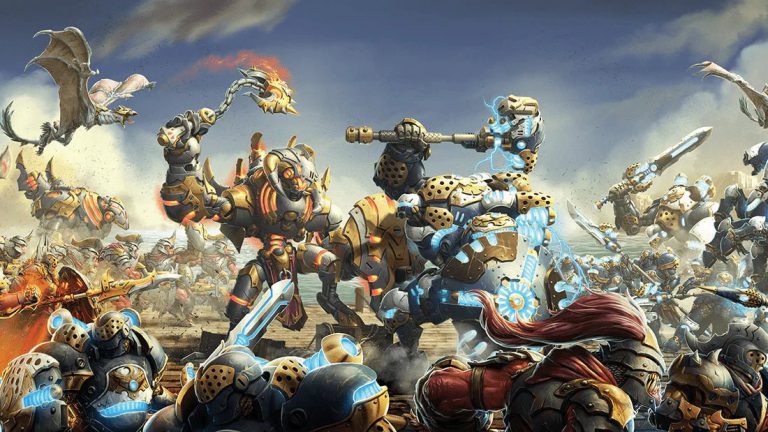
Hello reader, and welcome to our article on getting started with Warmachine! If you love big stompy robots or big stompy monsters, you think wizards are cooler if they have oversized swords, or you’ve got an itch for a game that rewards outside the box strategies and the difference between victory or defeat sits on the razors edge, then you’re in the right place.
Warmachine is a game with a storied history, to put it mildly, having been around in some way, shape, or form since 2003. Since then, the game has expanded, risen, fallen, come back from the ashes, and even found new ownership with Steamforged Games. At the height of its original popularity, Warmachine would be one of the first trailblazers of competitive organized play packets and formats with its Steamroller organized play packets, growing a hunger in the tabletop gaming community for tournament play that would eventually explode in popularity with the launch of Warhammer 40k’s 8th edition.
But that's not to say that Warmachine’s glory days are truly behind it, as the game’s community has been steadily growing under its new owners, who’ve continued to bring in new factions, models, rules, and organized play packs. It’s an exciting time to be a fan of this game, and for the Warmachine curious, it's a great time to hop in and give the game a try.
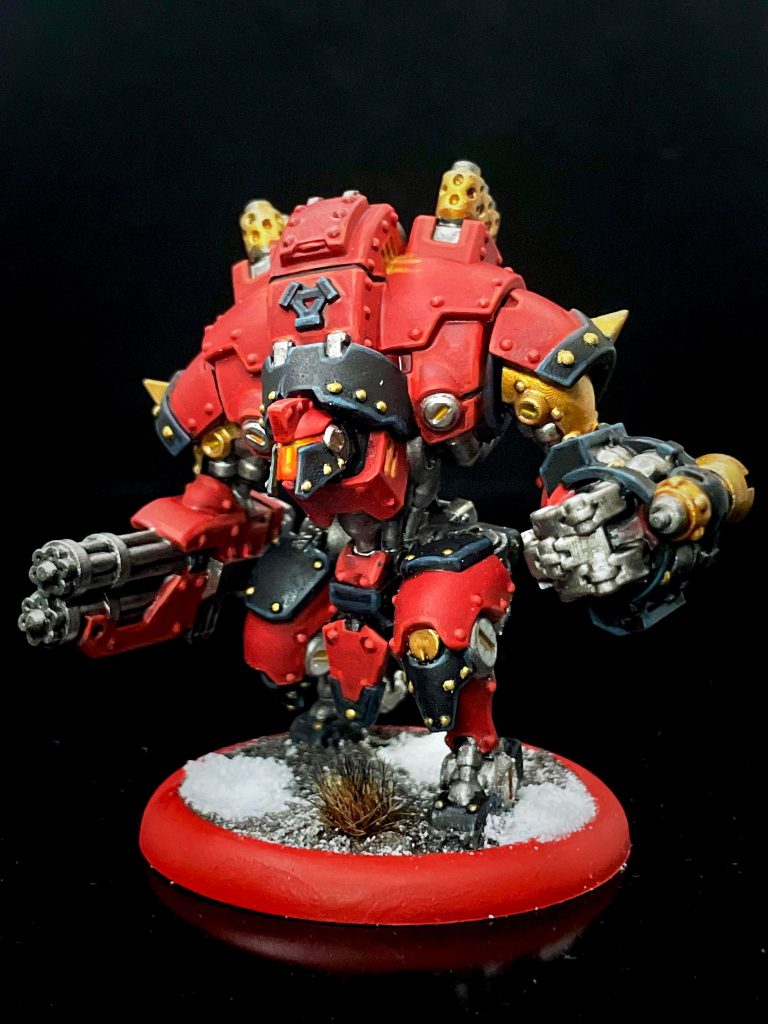 Khador Greatbear. Credit: Dan "Swiftblade" Richardson
In this article, we will take a look at what exactly Warmachine is, how it plays, and what makes the game great. From there, we will take a look at where to start for those who want to give Warmachine a try for themselves.
Khador Greatbear. Credit: Dan "Swiftblade" Richardson
In this article, we will take a look at what exactly Warmachine is, how it plays, and what makes the game great. From there, we will take a look at where to start for those who want to give Warmachine a try for themselves.
What Is Warmachine?
Warmachine is a tabletop strategy game that pits two armies against each other, with each side led by a powerful battle wizard, set in the steampunk Iron Kingdoms. The wizard in control of each army, labeled either a Warcaster or Warlock (or simply the catch-all term ‘caster’), use their magic powers to cast spells that can either boost their troops or do damage to the enemy, use their magic to make themselves deadlier in combat, or use their magic to increase the effectiveness of the giant mechanized Warjacks or fearsome hulking Warbeasts under their command. Oftentimes, your caster can be the most dangerous single models in any given game, able to use their powers to completely turn the tides in their favor, but they’re also your most vulnerable model: if your caster dies, it’s game over.
Dice rolling in Warmachine is very different from games like Warhammer, as Warmachine utilizes a 2d6 system versus a dice pool. For example, if you try to hit an opponent with an attack in Warmachine, you check your hit stat versus your opponents defense, and then roll 2d6. If your hit stat plus the 2d6 roll meets or exceeds their defense stat, you hit. There are ways to increase these odds by doing what is called “boosting”, which means you gain an extra dice, usually by spending some sort of resource or triggering some condition. So, if you’re trying to attack an enemy model with high defense, you may need to boost your attack roll and grab the extra dice, but doing so may mean you have less resources you can do for other actions. The 2d6 system adds a nice probability curve in Warmachine for the math nerds out there, while being intuitive enough for most players to “get” what may have good or bad odds pretty quickly without needing to crunch statistics.
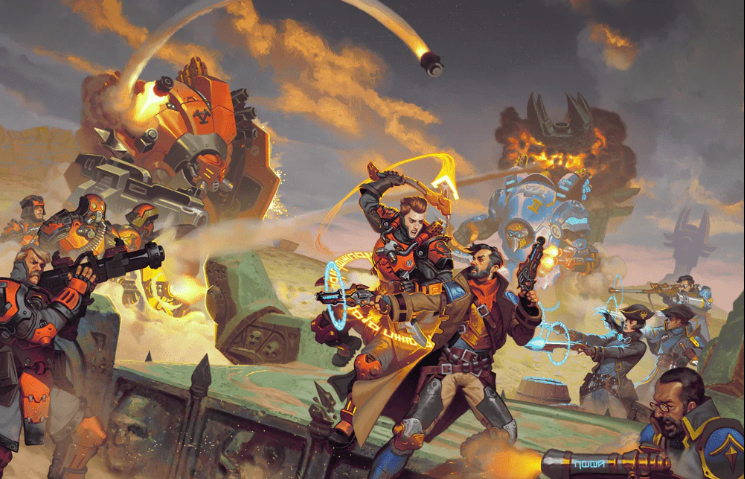 Credit: Steamforged Games
In most games, armies range from about 50-100 points, with each unit or model being given a points value (except for your caster, who is mandatory but free). Generally, a 100 point Warmachine game will have anywhere from 20 to 40-ish models on each side, with each side having a caster, Warjacks or Warbeasts, and warriors that either come in a unit of several models (units) or act as a single independent model (solos). Games of Warmachine follow the “I Go You Go” format, where one player takes their whole turn before passing it over to the next player, “activating” each model or unit to perform their movement, combat, or special actions before going to the next. Winning a game of Warmachine can either happen by winning on scenario holding objectives to score high enough to win, or by winning on assassination after killing your opponent's caster.
We keep mentioning casters, which makes sense given how important they are. Given that, lets take a closer look at them.
Credit: Steamforged Games
In most games, armies range from about 50-100 points, with each unit or model being given a points value (except for your caster, who is mandatory but free). Generally, a 100 point Warmachine game will have anywhere from 20 to 40-ish models on each side, with each side having a caster, Warjacks or Warbeasts, and warriors that either come in a unit of several models (units) or act as a single independent model (solos). Games of Warmachine follow the “I Go You Go” format, where one player takes their whole turn before passing it over to the next player, “activating” each model or unit to perform their movement, combat, or special actions before going to the next. Winning a game of Warmachine can either happen by winning on scenario holding objectives to score high enough to win, or by winning on assassination after killing your opponent's caster.
We keep mentioning casters, which makes sense given how important they are. Given that, lets take a closer look at them.
Warcasters and Warlocks
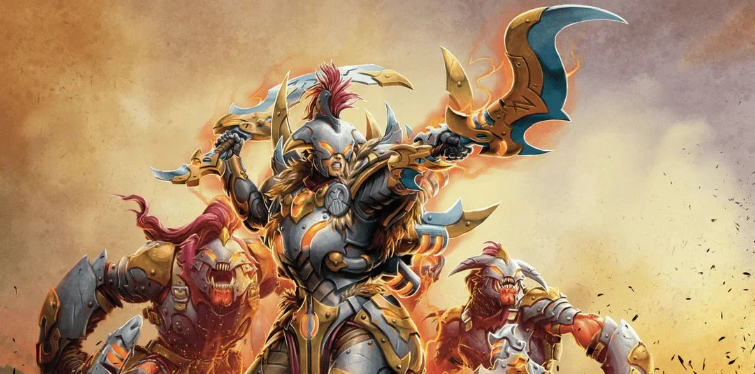 Credit: Steamforged Games
Casters can be divided up into two different groups: Warcasters, who control Warjacks, and Warlocks, who control Warbeasts. Warcasters and Warlocks use a different resource for their powers that drastically changes how each of them play, so lets start by looking at what they have in common first.
Every caster has different strengths and weakness, meaning that even from casters within the same faction, each one is going to play differently on the battlefield. The first defining thing all casters can do is cast spells using their magic resources that can either buff up your guys or debuff and damage your opponent. The second thing shared across all casters can do is use their magic to either increase the effectiveness of the Warjacks or Warbeasts under their control, or use that magic to increase their own offensive or defensive capabilities. Finally, every caster has a feat, which is a once per game ability they can use during their activation that tends to be potentially game changingly powerful when used at the right time.
Since every caster has a different set of abilities, spells, and a unique feat, each caster will have a totally different strengths and weakness that will dramatically affect how your army plays. Some Casters have lots of magic potential and abilities, but aren’t very good in a fight and prefer to hang around in the back as support pieces. Some Casters have very limited magical abilities but hit like runaway trains and want to be right in the thick of things. Some casters spells might be specialized to push models around the battlefield to make way for your scoring units, some may like throwing out buffs a plenty to turbo-charge your army, some might just like throwing out tons of fireballs. Some may not even like casting spells, and would prefer to just shoot stuff. There’s so much variety in each Warcaster that the same army list controlled by two different Warcasters will play entirely different from one another, keeping tactics and listbuilding fresh and interesting.
Aside from Warjacks and Warbeasts, what's the big difference between Warcasters and Warlocks? That comes down to the two forms of magical resources in Warmachine: Focus and Fury.
Credit: Steamforged Games
Casters can be divided up into two different groups: Warcasters, who control Warjacks, and Warlocks, who control Warbeasts. Warcasters and Warlocks use a different resource for their powers that drastically changes how each of them play, so lets start by looking at what they have in common first.
Every caster has different strengths and weakness, meaning that even from casters within the same faction, each one is going to play differently on the battlefield. The first defining thing all casters can do is cast spells using their magic resources that can either buff up your guys or debuff and damage your opponent. The second thing shared across all casters can do is use their magic to either increase the effectiveness of the Warjacks or Warbeasts under their control, or use that magic to increase their own offensive or defensive capabilities. Finally, every caster has a feat, which is a once per game ability they can use during their activation that tends to be potentially game changingly powerful when used at the right time.
Since every caster has a different set of abilities, spells, and a unique feat, each caster will have a totally different strengths and weakness that will dramatically affect how your army plays. Some Casters have lots of magic potential and abilities, but aren’t very good in a fight and prefer to hang around in the back as support pieces. Some Casters have very limited magical abilities but hit like runaway trains and want to be right in the thick of things. Some casters spells might be specialized to push models around the battlefield to make way for your scoring units, some may like throwing out buffs a plenty to turbo-charge your army, some might just like throwing out tons of fireballs. Some may not even like casting spells, and would prefer to just shoot stuff. There’s so much variety in each Warcaster that the same army list controlled by two different Warcasters will play entirely different from one another, keeping tactics and listbuilding fresh and interesting.
Aside from Warjacks and Warbeasts, what's the big difference between Warcasters and Warlocks? That comes down to the two forms of magical resources in Warmachine: Focus and Fury.
Focus Versus Fury
 Credit: Steamforged Games
Focus and Fury are the magic resources that Casters use, with Warcasters using Focus and Warlocks using Fury. Every caster has an arcane stat, which represents how much Focus or Fury they can hold, which they can spend on spells, hitting harder, or boosting their survivability. Feats are the exception here, as they don’t cost Focus or Fury to use.
Focus and Fury will define how your caster interacts with their Warjacks or Warbeasts, how they get Focus or Fury, and what they can spend those points on, and properly managing your Focus or Fury is an important skill for any Warmachine player. On a basic level, managing your focus properly is a game of good resource management, while properly managing your fury is a game of good risk management.
Starting off with Focus, at the start of a player’s turn, a Warcaster will always get a number of Focus points equal to their arcane stat. From there, a player needs to decide how a Warcaster is going to distribute those points before they start moving models around. Warjacks are directly controlled by Warcasters, and need to be allocated Focus to do actions like charging or running, to increase their attack power, or sometimes to use special abilities unique to that Warjack. Each Warjack will gain one focus point every turn if its magical brain, the cortex, isn't crippled, but a Warjack can hold up to three focus points. Warcasters can also use focus to cast spells on their spell list, heal themselves, shake off negative statuses like knockdown or being on fire, or to boost their attacks or hit extra times in combat. In a pinch, a Warcaster with extra focus can also spend a focus point when they get damaged to reduce the incoming damage by five.
With so many things Focus can do but a limited amount of Focus to spend, proper planning is key. Spread your focus too thin, you may leave your Warcaster vulnerable to attack. But if you don’t allocate or spend your focus, your Warjacks may struggle to be effective or your Warcaster won’t be able to make big plays when it counts. Manage it just right though, and you’ll always have the tools you need when you need them.
Credit: Steamforged Games
Focus and Fury are the magic resources that Casters use, with Warcasters using Focus and Warlocks using Fury. Every caster has an arcane stat, which represents how much Focus or Fury they can hold, which they can spend on spells, hitting harder, or boosting their survivability. Feats are the exception here, as they don’t cost Focus or Fury to use.
Focus and Fury will define how your caster interacts with their Warjacks or Warbeasts, how they get Focus or Fury, and what they can spend those points on, and properly managing your Focus or Fury is an important skill for any Warmachine player. On a basic level, managing your focus properly is a game of good resource management, while properly managing your fury is a game of good risk management.
Starting off with Focus, at the start of a player’s turn, a Warcaster will always get a number of Focus points equal to their arcane stat. From there, a player needs to decide how a Warcaster is going to distribute those points before they start moving models around. Warjacks are directly controlled by Warcasters, and need to be allocated Focus to do actions like charging or running, to increase their attack power, or sometimes to use special abilities unique to that Warjack. Each Warjack will gain one focus point every turn if its magical brain, the cortex, isn't crippled, but a Warjack can hold up to three focus points. Warcasters can also use focus to cast spells on their spell list, heal themselves, shake off negative statuses like knockdown or being on fire, or to boost their attacks or hit extra times in combat. In a pinch, a Warcaster with extra focus can also spend a focus point when they get damaged to reduce the incoming damage by five.
With so many things Focus can do but a limited amount of Focus to spend, proper planning is key. Spread your focus too thin, you may leave your Warcaster vulnerable to attack. But if you don’t allocate or spend your focus, your Warjacks may struggle to be effective or your Warcaster won’t be able to make big plays when it counts. Manage it just right though, and you’ll always have the tools you need when you need them.
 Credit: Steamforged Games
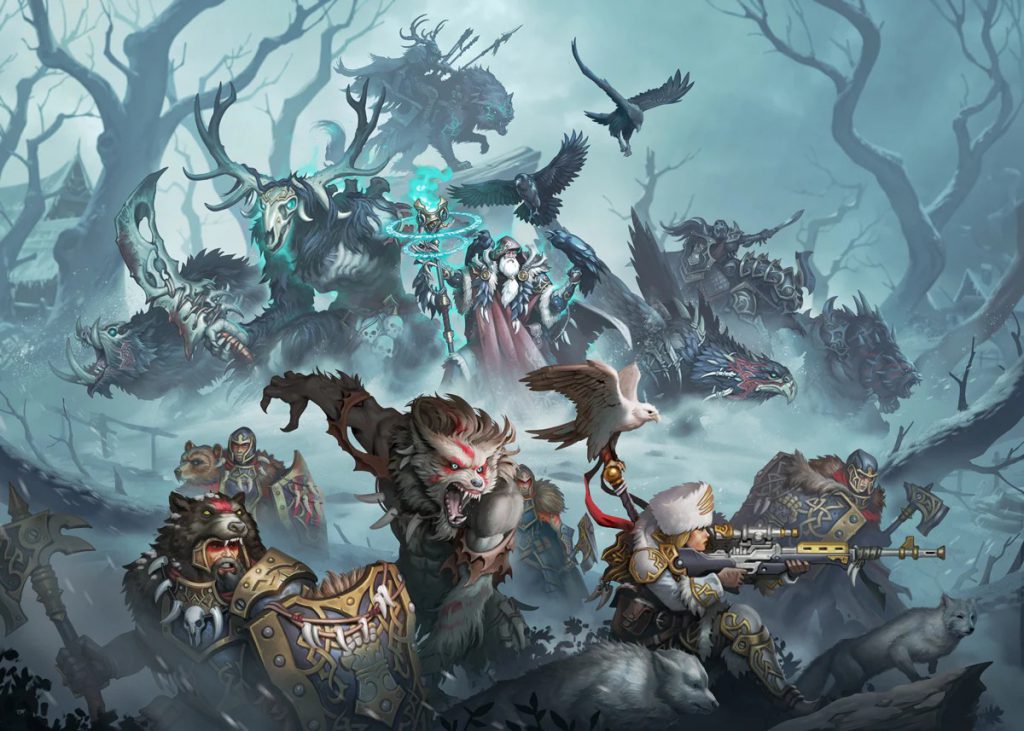
Fury, on the other hand, is all about pushing the envelope. Unlike Warcasters, Warlocks don’t automatically get their arcane stat in Fury points at the start of a turn. Instead, Warlocks need to leech fury off of the Warbeasts they control, who generate fury by running, charging, shaking negative effects, boosting their attack power, or casting special spells each Warbeast has called an Animus. Warbeasts can also rile, which generates Fury up to the max said Warbeast can hold. Every Warbeast can gain a number of Fury points equal to its Fury stat. Warlocks can take Fury off of their Warbeasts to use for themselves at the start of each turn, up to their Arcane stat, but any Warbeast with excess Fury still left on it has a chance to lose control, charging the closest model (friend or foe) and hitting them with one big swing before being unable to activate for the rest of the turn.
Like Warcasters, Warlocks can spend their Fury on abilities, with two major exceptions. First, a Warlock can use Fury to heal their beasts. Second, if a Warlock takes damage, instead of reducing the damage by five like Warcasters do, a Warlock can spend a Fury point to transfer that damage to one of their Warbeasts. At first blush, this sounds much better than reducing damage, but it's important to remember that a Warcaster doesn’t need their Warjacks to get Focus every turn, but a Warlock needs those Beasts. Without them, a Warlock has to damage themself to generate Fury points. Lose your Warbeasts early, and your Warlock not only won’t have any easy access to Fury, but will have no way to stop any enemy threats.
With Fury, you’re always weighing the risks. Push your Warbeasts too hard, you might lose control of them at an inopportune time or get them killed. Warbeasts are powerful models though, and maybe running a little hot on your Fury on a decisive turn could make or break the game for you. Knowing when to play it safe and knowing when to push the envelope is the key to good Fury management.
Credit: Steamforged Games
Fury, on the other hand, is all about pushing the envelope. Unlike Warcasters, Warlocks don’t automatically get their arcane stat in Fury points at the start of a turn. Instead, Warlocks need to leech fury off of the Warbeasts they control, who generate fury by running, charging, shaking negative effects, boosting their attack power, or casting special spells each Warbeast has called an Animus. Warbeasts can also rile, which generates Fury up to the max said Warbeast can hold. Every Warbeast can gain a number of Fury points equal to its Fury stat. Warlocks can take Fury off of their Warbeasts to use for themselves at the start of each turn, up to their Arcane stat, but any Warbeast with excess Fury still left on it has a chance to lose control, charging the closest model (friend or foe) and hitting them with one big swing before being unable to activate for the rest of the turn.
Like Warcasters, Warlocks can spend their Fury on abilities, with two major exceptions. First, a Warlock can use Fury to heal their beasts. Second, if a Warlock takes damage, instead of reducing the damage by five like Warcasters do, a Warlock can spend a Fury point to transfer that damage to one of their Warbeasts. At first blush, this sounds much better than reducing damage, but it's important to remember that a Warcaster doesn’t need their Warjacks to get Focus every turn, but a Warlock needs those Beasts. Without them, a Warlock has to damage themself to generate Fury points. Lose your Warbeasts early, and your Warlock not only won’t have any easy access to Fury, but will have no way to stop any enemy threats.
With Fury, you’re always weighing the risks. Push your Warbeasts too hard, you might lose control of them at an inopportune time or get them killed. Warbeasts are powerful models though, and maybe running a little hot on your Fury on a decisive turn could make or break the game for you. Knowing when to play it safe and knowing when to push the envelope is the key to good Fury management.
Warjacks and Warbeasts
 Credit: Steamforged Games
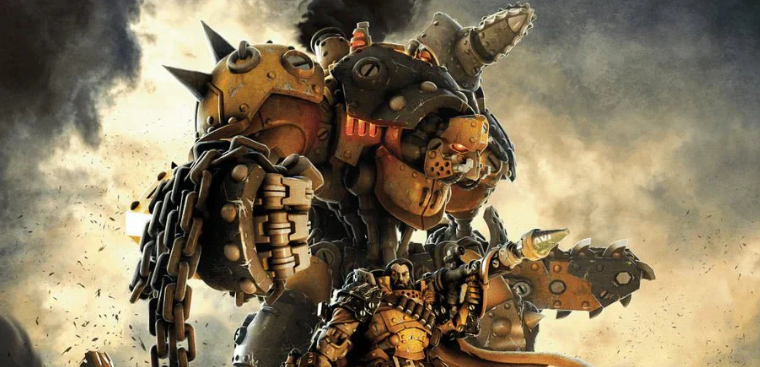
Warjacks and Warbeasts are the big, tough, and nasty in a fight, and both are controlled via casters with Focus or Fury. They come in a whole range of sizes, from light Warjack and Warbeast chassis to massive colossals and gargantuans on 120mm bases. Theres even special character Jacks and Beasts too, representing special versions of these machines and monsters that have gained some sort of personality or capabilities beyond the usual version of them.
Beasts and Jacks can serve many purposes. Cryx, for example, has little skittering guys that aren't as dangerous in a fight, but can be used as the origin point of a spell within the casters control range, allowing you to shoot fireballs at your opponent from unexpected angles. Some Jacks and Beasts specialize in power attacks, which lets you slam models away, headbutt them to the ground, trample through their lines, or pick enemy models up and throw them. The variety of Warjacks and Warbeasts is only furthered by the fact that the non-character versions of these models can be customized with different parts, such as head options or weapon options. These parts are designed to be magnetized, and gives players a high degree of modularity when building lists.
Because Beasts and Warjacks are durable beyond most other things in the game, these models have a special kind of health pool. Their health boxes are broken up into columns for Warjacks and Spirals for Warbeasts, and each of these columns or spirals contains valuable parts to the Beast or Jack's continued operation that could be crippled during a game if they sustain too much damage. For example, if a Warjacks loses all of the columns for its left arm system, it will roll less dice on any weapon held in the models left arm. It means both Jacks and Beasts can withstand a good amount of punishment before they get taken down, but as systems or spirals go down they become less effective, limping around the battlefield unless repaired or healed.
Credit: Steamforged Games
Warjacks and Warbeasts are the big, tough, and nasty in a fight, and both are controlled via casters with Focus or Fury. They come in a whole range of sizes, from light Warjack and Warbeast chassis to massive colossals and gargantuans on 120mm bases. Theres even special character Jacks and Beasts too, representing special versions of these machines and monsters that have gained some sort of personality or capabilities beyond the usual version of them.
Beasts and Jacks can serve many purposes. Cryx, for example, has little skittering guys that aren't as dangerous in a fight, but can be used as the origin point of a spell within the casters control range, allowing you to shoot fireballs at your opponent from unexpected angles. Some Jacks and Beasts specialize in power attacks, which lets you slam models away, headbutt them to the ground, trample through their lines, or pick enemy models up and throw them. The variety of Warjacks and Warbeasts is only furthered by the fact that the non-character versions of these models can be customized with different parts, such as head options or weapon options. These parts are designed to be magnetized, and gives players a high degree of modularity when building lists.
Because Beasts and Warjacks are durable beyond most other things in the game, these models have a special kind of health pool. Their health boxes are broken up into columns for Warjacks and Spirals for Warbeasts, and each of these columns or spirals contains valuable parts to the Beast or Jack's continued operation that could be crippled during a game if they sustain too much damage. For example, if a Warjacks loses all of the columns for its left arm system, it will roll less dice on any weapon held in the models left arm. It means both Jacks and Beasts can withstand a good amount of punishment before they get taken down, but as systems or spirals go down they become less effective, limping around the battlefield unless repaired or healed.
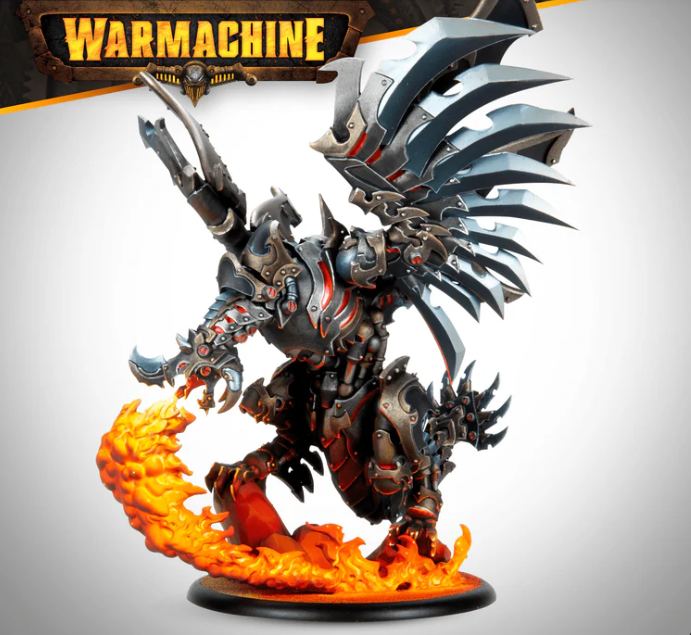 Azdharak, Herald of Immolation. Credit: Steamforged Games
A quick shoutout to a new type of Warjack or Warbeast that was released in the past few years, the Super-Heavy. Sitting between a Heavy and a Colossal/Gargantuan, Super Heavys are hard hitters that can anchor a point or break through enemy lines while withstanding eyebrow-raising amounts of punishment. Recently, Steamforged has been releasing a new Super Heavy for each faction, and many of these models are some of the most stunning sculpts in the entire range.
Azdharak, Herald of Immolation. Credit: Steamforged Games
A quick shoutout to a new type of Warjack or Warbeast that was released in the past few years, the Super-Heavy. Sitting between a Heavy and a Colossal/Gargantuan, Super Heavys are hard hitters that can anchor a point or break through enemy lines while withstanding eyebrow-raising amounts of punishment. Recently, Steamforged has been releasing a new Super Heavy for each faction, and many of these models are some of the most stunning sculpts in the entire range.
Units and Solos
There’s less to say about Units and Solos, though they’re critical to any game of Warmachine. Units and Grunts are the soldiers and characters of each faction that aren’t controlled by a Warcaster or Warlock, and fulfill a wide range of roles on the battlefield. Some can act as support units, repairing Jacks or managing Warbeast Fury. Some can be sneaky assassins, who wait on the edges of the map before going for the throat at the opportune moment. Some are tanky defenders, who can hold the line even against a stampeding Warjack.
Because Units and Solos fill so many different roles in an army, and operate independently outside of their caster, any army list is going to include at least some of these models to various degrees. Some casters and factions may lean more heavily on their units and solos to do the heavy lifting and only take a minimum of Warjacks and Warbeasts, and some may skew just as hard the opposite way. Generally though, most lists will utilize a solid combination of Units and Solos to supplement their Jacks and Beasts on the battlefield.
Why You Should Play Warmachine
 Credit: Steamforged Games
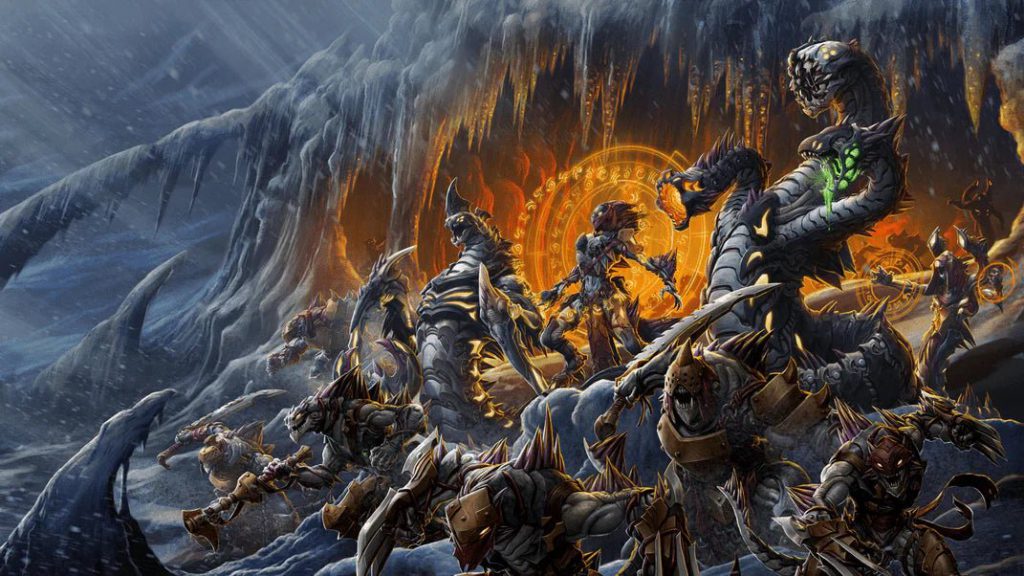
There is so much to gush about Warmachine, but personally one of the biggest selling points has always been how so many games of Warmachine don’t feel like it’s over until they’re over. The addition of an assassination threat on your caster, alongside juggling winning the scenario and just out-attritioning your opponent’s army that most other Wargames have, means that games feel very live right up until the very end. It can lead to a learning curve at first to balance all of these factors, but once you get it all under your belt it means that there’s rarely games where there is just no chance of winning if your initial plan goes sideways. There is such a thrill to realizing you might be about to lose, only to spot a narrow chance of victory you can try to seize. And if you’re winning, it still demands you play carefully and respect what your opponent can do, as just turning your brain off and going into beatdown mode may expose you in some way you didn’t expect.
Alongside this, there is just so much depth to what you can do in Warmachine. Jacks and Beasts are a great example of this. In most games, if there is an enemy model on an objective, the only thing you can do to remove it is kill it. Jacks and Beasts though have access to power attacks, so instead of having to kill that model, they could slam or throw it and push it off the objective. Need an enemy model to stand still? Headbutt it to knock it down. Need to break through a screen? You can always trample over it.
Credit: Steamforged Games
There is so much to gush about Warmachine, but personally one of the biggest selling points has always been how so many games of Warmachine don’t feel like it’s over until they’re over. The addition of an assassination threat on your caster, alongside juggling winning the scenario and just out-attritioning your opponent’s army that most other Wargames have, means that games feel very live right up until the very end. It can lead to a learning curve at first to balance all of these factors, but once you get it all under your belt it means that there’s rarely games where there is just no chance of winning if your initial plan goes sideways. There is such a thrill to realizing you might be about to lose, only to spot a narrow chance of victory you can try to seize. And if you’re winning, it still demands you play carefully and respect what your opponent can do, as just turning your brain off and going into beatdown mode may expose you in some way you didn’t expect.
Alongside this, there is just so much depth to what you can do in Warmachine. Jacks and Beasts are a great example of this. In most games, if there is an enemy model on an objective, the only thing you can do to remove it is kill it. Jacks and Beasts though have access to power attacks, so instead of having to kill that model, they could slam or throw it and push it off the objective. Need an enemy model to stand still? Headbutt it to knock it down. Need to break through a screen? You can always trample over it.
 Credit: Shut Up and Sit Down
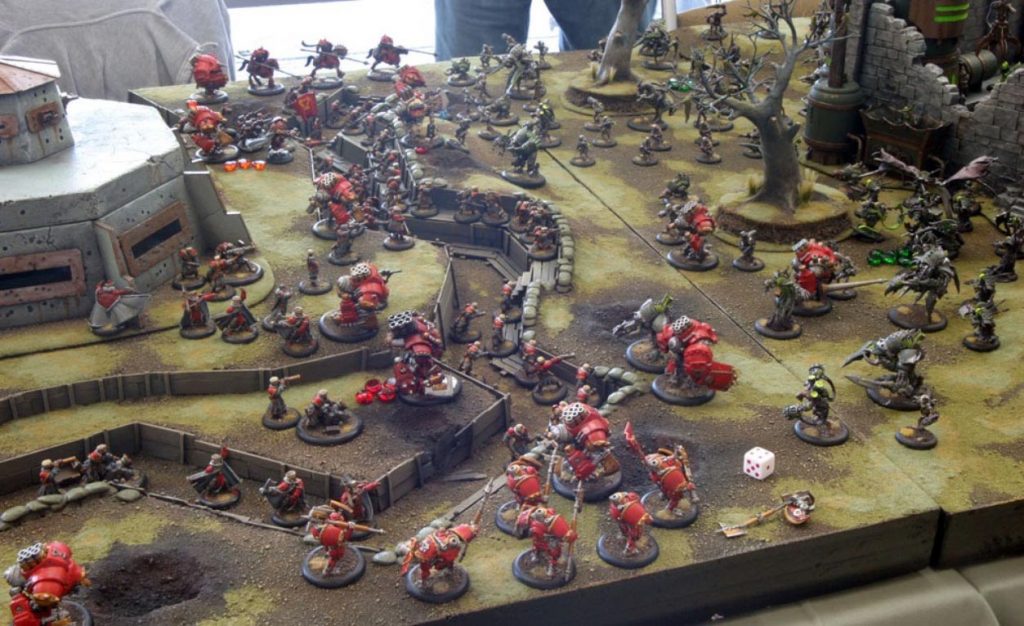
Each Caster playing so differently from one another only adds to the depth of Warmachine. It's little exaggeration to say that I can take the same list, swap out the caster, and suddenly it’s a totally different list. This gave rise to what is probably the best “casual” style format for an event ever, Warmachine’s old “Who’s the Boss?” format. Everyone would show up with their lists, but their casters would be put into a shared pool. At the start of the event, everyone would be randomly assigned a caster from that pool, and that was your caster for the day, and you would need to figure out how to best use that caster with the list you brought at the same time. It's the perfect blend of wacky and competitive.
There aren’t many games with as much depth as Warmachine out there, and its probably the best “Johnny” style game out there on the market for anyone who’s greatest joy in gaming is to use it as a way of self expression. Do you want to play lists that are just walls of robo-beef? Go for it. You want to play a army that pushes your opponent around the battlefield without even needing to engage them? We gotchu. You want to play a list that puts as many eggs in one basket into a terrifically dangerous assassination threat, biding your time until the perfect chance to strike? There’s army lists for that! Do you want to make a Rube Goldberg machine list that relies on wild jank that you don’t think anyone out there expects? Walk, don’t run, and go buy yourself some Warmachine models.
Credit: Shut Up and Sit Down
Each Caster playing so differently from one another only adds to the depth of Warmachine. It's little exaggeration to say that I can take the same list, swap out the caster, and suddenly it’s a totally different list. This gave rise to what is probably the best “casual” style format for an event ever, Warmachine’s old “Who’s the Boss?” format. Everyone would show up with their lists, but their casters would be put into a shared pool. At the start of the event, everyone would be randomly assigned a caster from that pool, and that was your caster for the day, and you would need to figure out how to best use that caster with the list you brought at the same time. It's the perfect blend of wacky and competitive.
There aren’t many games with as much depth as Warmachine out there, and its probably the best “Johnny” style game out there on the market for anyone who’s greatest joy in gaming is to use it as a way of self expression. Do you want to play lists that are just walls of robo-beef? Go for it. You want to play a army that pushes your opponent around the battlefield without even needing to engage them? We gotchu. You want to play a list that puts as many eggs in one basket into a terrifically dangerous assassination threat, biding your time until the perfect chance to strike? There’s army lists for that! Do you want to make a Rube Goldberg machine list that relies on wild jank that you don’t think anyone out there expects? Walk, don’t run, and go buy yourself some Warmachine models.
What You Need to Get Started
Aside from the usual fare you need to get started with a tabletop wargame, like a tape measure, dice, and glue, there’s two other main things you’ll need for getting into the game: the Warmachine App and, of course, models.
The Warmachine app is currently available for free on Apple and IOS, and is the primary rules resource for everything Warmachine. With this app, you can access the core rules for the game, as well as the rules for every model for every faction in the game. This app can also be used to build and save army lists, and used to track the damage each of these models take during games. The tracking part alone makes it a must-have for any Warmachine player, as tracking complicated life pools of Warjacks and Warbeasts would be very difficult without it, but having so much access to content at the price of free is just icing on the cake and an easy slam dunk download.
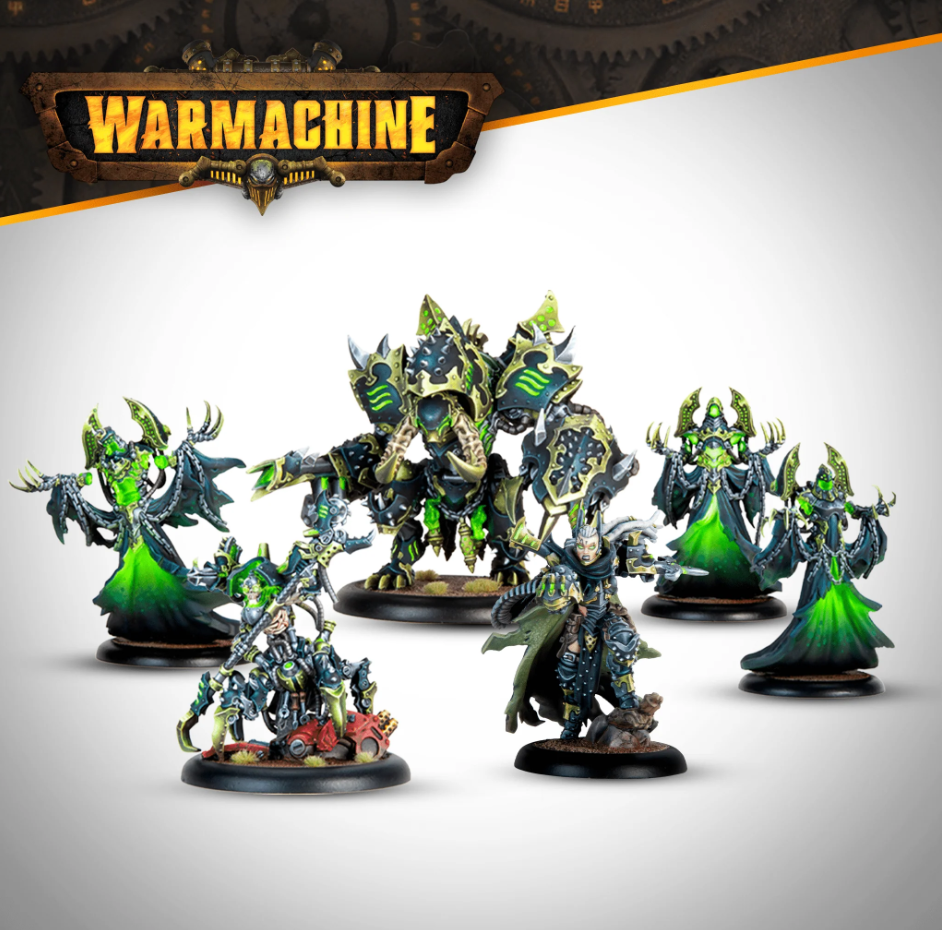 Cryx Necrofactorum Command Starter. Credit: Steamforged Games
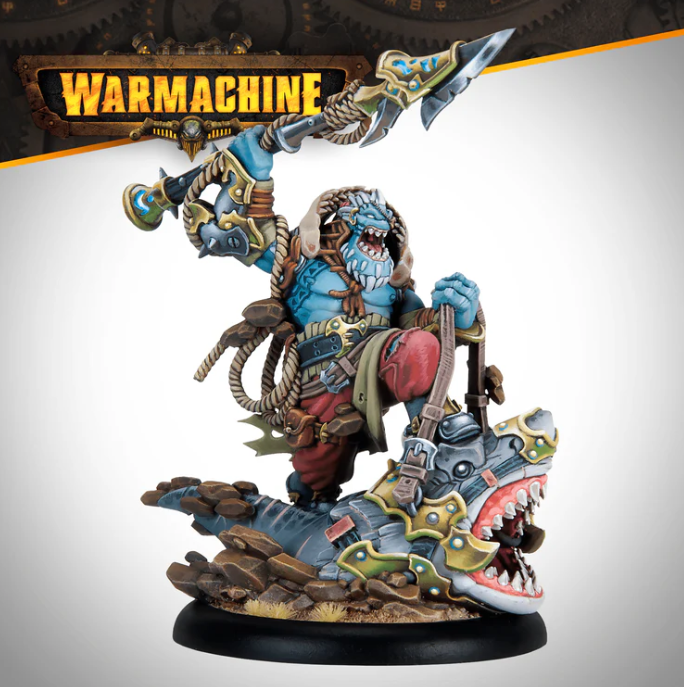
The next thing you’ll need is to pick a faction and grab models. There's multiple different factions you can play in Warmachine, each with their own distinct look and playstyle. There’s something for nearly everyone here, from WWII inspired Gravediggers, the mecha-dragons of Shadowflame Shard, the Pirate Trolls of Brineblood, the undead nightmare robots of Necrofactorum, and many more. As for what you should pick, my suggestion here is the same for almost every wargame: pick what you think looks cool. Once you pick a faction, each army has a Command Starter that has a Caster, Warjack or Warbeast, unit, and solo, all totaling up to 30 points in game, and this is probably the best place to start with any given faction. The Battlegroup Box each faction has is a great supplement for this as well, adding a second caster and two more jacks or beasts to your collection, and making it easy to reach 50 point games, or the equivalent of a 1,000 point game of Warhammer.
A quick note, if you grab a battlegroup set, pick up some magnets as well for the jacks or beasts, specifically 3/16” and 1’8” magnets. These kits are designed to be magnetized, so you’ll want to have those ready so you can swap out the various options those non-character Jacks and Beasts have.
One final note: the armies on Steamforged’s page are all Mark IV armies, but Warmachine has models and factions much older than those displayed there. Those factions are all legacy factions, meaning most of the models in their range have been retired from the game and are no longer in production. That’s not to say they’re totally unusable in Mark IV if you do have a collection of one of these Legacy armies, as there are rules for every unit in these armies and even “Prime” factions for these legacy factions that are usable at most events. What it does mean though is that these legacy factions won’t be getting any additional support for the game for rules updates or making models, so unless you already have a collection of one of these Legacy factions handy or you are die-hard interested in a legacy faction, I’d stick with one of the new Mark IV factions as a starting point, especially since most of the legacy factions at the time of writing have some sort of Mark IV analogue.
Cryx Necrofactorum Command Starter. Credit: Steamforged Games
The next thing you’ll need is to pick a faction and grab models. There's multiple different factions you can play in Warmachine, each with their own distinct look and playstyle. There’s something for nearly everyone here, from WWII inspired Gravediggers, the mecha-dragons of Shadowflame Shard, the Pirate Trolls of Brineblood, the undead nightmare robots of Necrofactorum, and many more. As for what you should pick, my suggestion here is the same for almost every wargame: pick what you think looks cool. Once you pick a faction, each army has a Command Starter that has a Caster, Warjack or Warbeast, unit, and solo, all totaling up to 30 points in game, and this is probably the best place to start with any given faction. The Battlegroup Box each faction has is a great supplement for this as well, adding a second caster and two more jacks or beasts to your collection, and making it easy to reach 50 point games, or the equivalent of a 1,000 point game of Warhammer.
A quick note, if you grab a battlegroup set, pick up some magnets as well for the jacks or beasts, specifically 3/16” and 1’8” magnets. These kits are designed to be magnetized, so you’ll want to have those ready so you can swap out the various options those non-character Jacks and Beasts have.
One final note: the armies on Steamforged’s page are all Mark IV armies, but Warmachine has models and factions much older than those displayed there. Those factions are all legacy factions, meaning most of the models in their range have been retired from the game and are no longer in production. That’s not to say they’re totally unusable in Mark IV if you do have a collection of one of these Legacy armies, as there are rules for every unit in these armies and even “Prime” factions for these legacy factions that are usable at most events. What it does mean though is that these legacy factions won’t be getting any additional support for the game for rules updates or making models, so unless you already have a collection of one of these Legacy factions handy or you are die-hard interested in a legacy faction, I’d stick with one of the new Mark IV factions as a starting point, especially since most of the legacy factions at the time of writing have some sort of Mark IV analogue.
Final Thoughts
 Credit: Steamforged Games
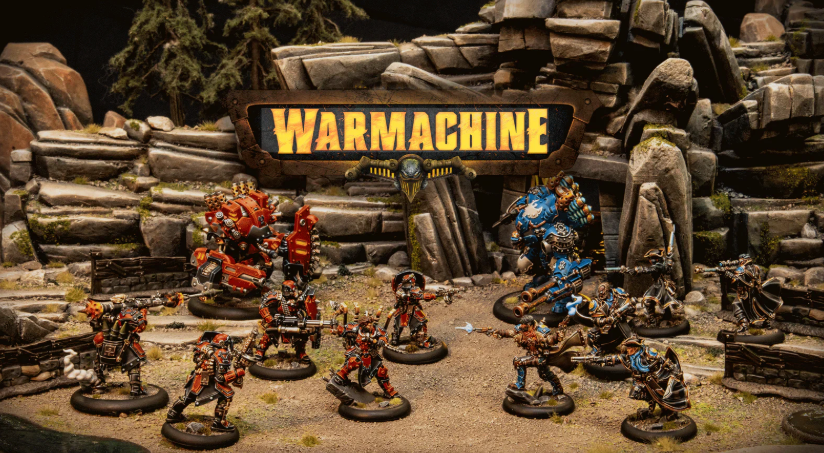
Warmachine has been around for a very long time, but there’s never been a more exciting time to jump into the game. The community is growing, the new releases for the game look and play great, and the positive momentum from the community seems to only grow each year. Warmachine may be a very complicated game at first, and it can be a little nerve-wracking trying to not get your caster assassinated for new players who are still learning their positioning. Give it a try and get some games under your belt though, and you’ll see why Warmachine is still kicking, and why so many people around the world still love this game after twenty years. There’s just no game quite like it out there, with winning and losing always on the knife's edge, leading to exciting plays that get shared with friends for years to come.
Besides, who doesn’t love a good ol’ big stompy robot?
Have any questions or feedback? Drop us a note in the comments below or email us at contact@goonhammer.com. Want articles like this linked in your inbox every Monday morning? Sign up for our newsletter. And don’t forget that you can support us on Patreon for backer rewards like early video content, Administratum access, an ad-free experience on our website, and subscriber-only content covering competitive Warhammer 40K!
Credit: Steamforged Games
Warmachine has been around for a very long time, but there’s never been a more exciting time to jump into the game. The community is growing, the new releases for the game look and play great, and the positive momentum from the community seems to only grow each year. Warmachine may be a very complicated game at first, and it can be a little nerve-wracking trying to not get your caster assassinated for new players who are still learning their positioning. Give it a try and get some games under your belt though, and you’ll see why Warmachine is still kicking, and why so many people around the world still love this game after twenty years. There’s just no game quite like it out there, with winning and losing always on the knife's edge, leading to exciting plays that get shared with friends for years to come.
Besides, who doesn’t love a good ol’ big stompy robot?
Have any questions or feedback? Drop us a note in the comments below or email us at contact@goonhammer.com. Want articles like this linked in your inbox every Monday morning? Sign up for our newsletter. And don’t forget that you can support us on Patreon for backer rewards like early video content, Administratum access, an ad-free experience on our website, and subscriber-only content covering competitive Warhammer 40K!
Tags:
gaming |
Getting Started |
warmachine

Thank you for being a friend.
 This website uses cookies. Learn more.
 Getting Started: Warmachine Mark IV