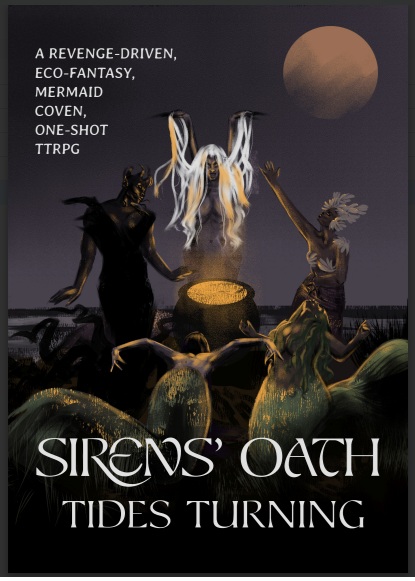
 Image credit: Twisted Spire
As the 'revenge-driven, eco-fantasy, mermaid coven' narrative role-playing game
Siren's Oath: Tides Turning kicked off its
crowdfunding campaign last week, we took it for a spin around the block and kicked its tires.
"Given the heavy role-playing component and overall content," I wrote in
our review of the game, "
Siren’s Oath clearly has a certain kind of audience in mind. This is a potentially
heavy game with a lot of deep themes, and so it’s not really a box you’d pull off the shelf when looking for something to do for an evening. Rather, this is a game that you invite a select group of friends over to play and make an
event out of it by mailing out their character sheet to them in a fish-scale envelope a few days in advance."
As a brief recap, players in Siren's Oath take the role of mermaid-witches gathering for the momentous purpose of deciding the fate of the City on the coast. The relationship between man and nature has deteriorated, the oceans despoiled, and working together (without a GM), the players take turns weaving their stories as they move inexorably towards a final decision: to destroy the City, or to spare it.
It's played over three rounds, using a "secret words" mechanic to advance each player's representative miniature along the gameboard. After two rounds of storytelling and one round of deliberations, the came comes to its climax as the fate of the City is revealed.
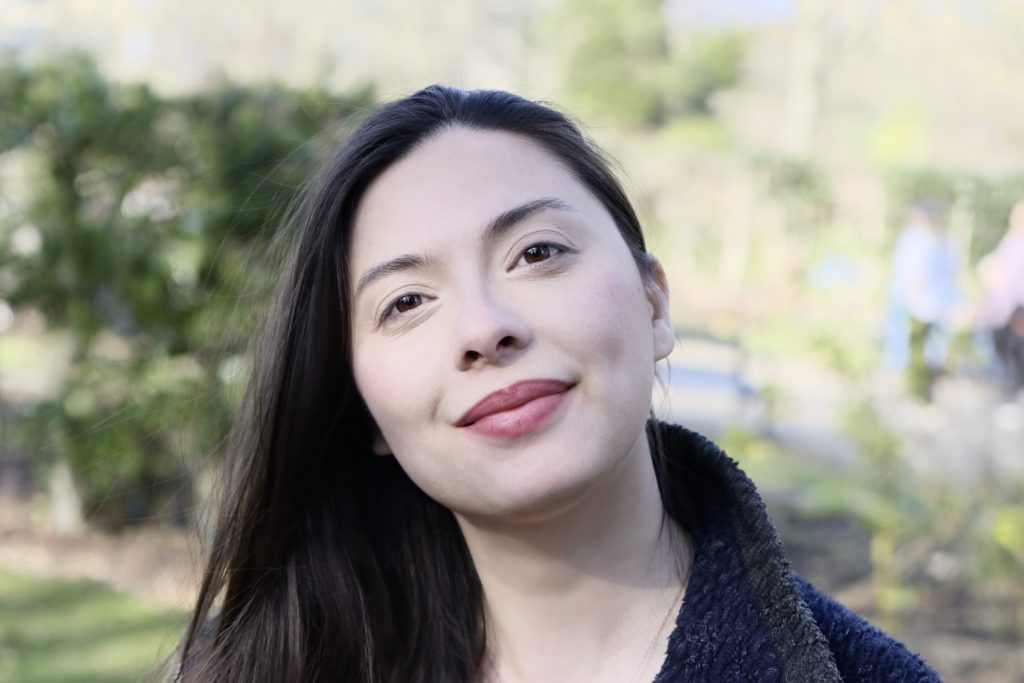 Image credit: Wingshan Huntley
Today we're going to be popping the hood and checking things out as we chat with creators
Wingshan Huntley (worldbuilding and creative) and
Evie Moriarty (rules design).
 Image credit: Evie Moriarty
If you were intrigued by the game and would like to know more, or just have a keen interest in game design, then buckle in!
Let's Talk Narrative
Goonhammer: What were the central inspirations for the world of Siren's Oath, be they cultural, literary, or personal? How much of you is reflected in this game?
Wingshan: Sirens’ Oath began from a feeling of eco grief and disenchantment with the systems shaping our world. The mermaid felt like a sentry or voice for the natural world, a vessel for Mother Nature’s vengeance against human destruction.
Culturally, I was thinking about mermaid stories across regions, from Chinese river spirits to Celtic selkies, and how they often hold space for transformation and retribution. Thematically, Barbara Creed’s writing on the monstrous feminine
1 was a major influence, especially with the idea of the siren as a figure who holds both fear and desire, beauty and danger, creation and ruin.
A lot of me is reflected in this game.
Sirens’ Oath was my way of transforming rage and grief into ritual, of finding power in vulnerability. It also speaks to my background as an artist and curator in the visual arts space, someone who has always been more interested in emotion, connection and the liminal rather than in competition or black and white outcomes.
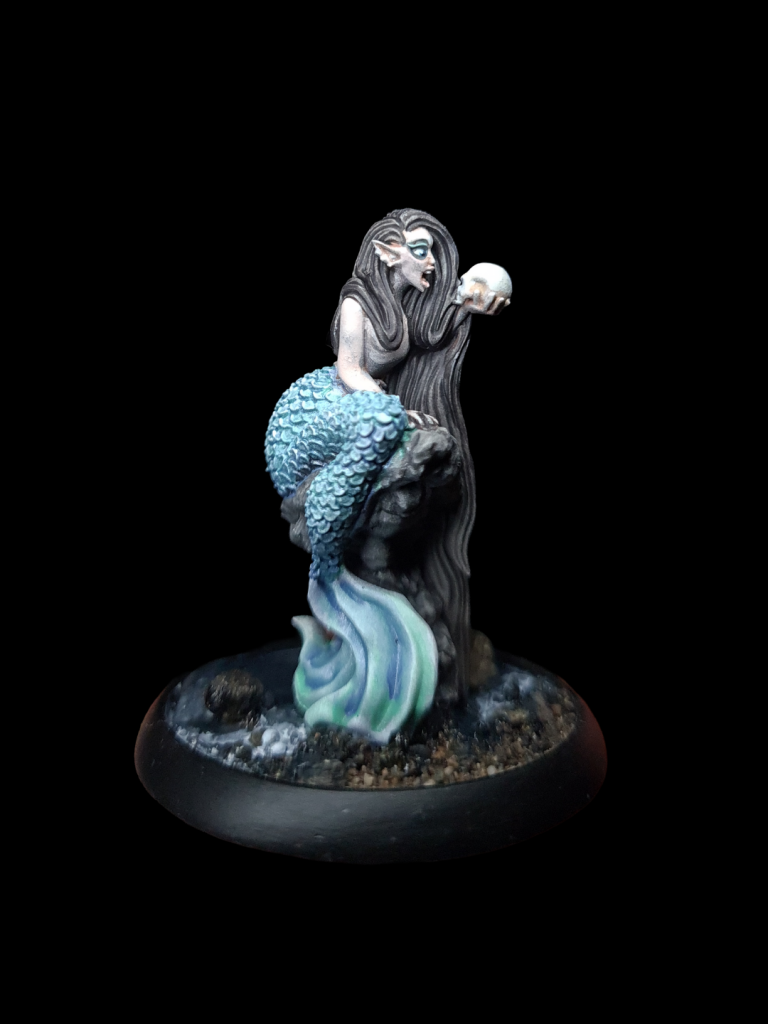 Myra, the Songweaver. Image credit: Twisted Spire
GH: I found myself thinking a lot about dichotomies when I explored the game (for instance, the tension between narrative versus mechanical). With a game as storyteller-driven as this, how did you approach the task of laying out enough of the world to provide inspiration for the players in a shared space, without bogging them down in so much worldbuilding that they might feel overwhelmed or that the experience was too on-rails?
Wingshan:
Myra, the Songweaver. Image credit: Twisted Spire
GH: I found myself thinking a lot about dichotomies when I explored the game (for instance, the tension between narrative versus mechanical). With a game as storyteller-driven as this, how did you approach the task of laying out enough of the world to provide inspiration for the players in a shared space, without bogging them down in so much worldbuilding that they might feel overwhelmed or that the experience was too on-rails?
Wingshan: We wanted
Sirens’ Oath to feel accessible to anyone, especially players who might be new to roleplaying games. The aim was to offer enough narrative inspiration to set the scene and shape the world, without overwhelming players with dense lore or strict structure.
We introduce the setting, the characters, and glimpses of their histories to give players a foothold in the story. The art and miniatures also play an important part in this. They carry a sense of atmosphere and myth, acting almost like visual prompts or talismans to hold during play.
The game is intentionally light on rules and heavy on tone. Each time we played it with different groups, it was incredible to see how people brought their own interpretations to the Sirens and their relationships. No two sessions have ever felt the same, which is exactly what we hoped for.
Evie: I think one of the risks of overloading players with too much information is that they begin to box themselves in, to only play in a way that seems "right." As a game designer, you’re curating an experience, but you’re not supposed to be standing there telling people what is and isn’t appropriate for their own enjoyment and shared experience. I think a light touch setting, with thematic and aesthetic cues beyond anything else, was the right choice here. Things can be a little loose, because the nature of the game is creation - you’re collectively world building as much as anything else.
GH: Did the world change much from when you first conceived it? If so, what drove the main changes or evolutions?
Wingshan: It didn’t change much. From the beginning, we imagined
Sirens’ Oath as a high fantasy mirror of our own world at its worst. It was always meant to be a kind of escapism, but one that still carries echoes of reality. The world is mythical and distant, yet the themes: exploitation, grief, rage, renewal feel familiar.
Over time, the tone became more refined rather than rewritten. The focus stayed on the emotional and moral weight of the story, on what it means to seek justice or forgiveness in a world that feels broken.
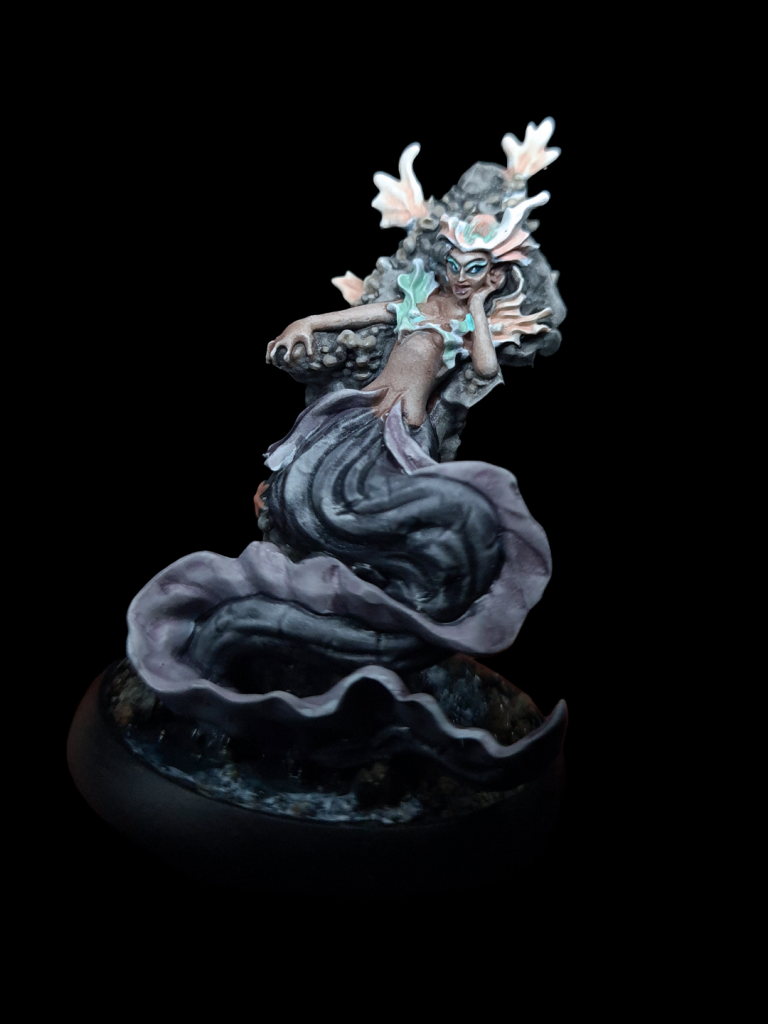 Oryn, the Reefshaper. Image credit: Twisted Spire
GH: What were the themes or emotional notes that you hoped to evoke in the game's players?
Wingshan:
Oryn, the Reefshaper. Image credit: Twisted Spire
GH: What were the themes or emotional notes that you hoped to evoke in the game's players?
Wingshan: I wanted players to move through a cycle of rage, sorrow, and hesitation. The game is about confronting destruction and asks players to sit with discomfort
2, to feel the weight of choice, and to find beauty in impermanence.
There is also a deep sense of longing threaded through the story. I hoped to evoke that feeling of standing at the edge of something vast and ancient, aware of both power and consequence but also hope for something new. When people play
Sirens’ Oath, I want them to feel wild, painful and empowered all at once.
Evie: For me, one of the things that I felt compelled by was the sense of sharing and comingling of experiences that exists within comfortable and emotionally intimate settings. A coven is going to be close knit, they’re going to have an emotional vulnerability with each other it’s hard to emulate in a game from the moment you start playing, and so I knew that I wanted the mechanics and the tone to be light touches to encourage that kind of sharing. What’s joyful about it most to me is the way that it encourages you to not just tell stories, but place yourself into the emotion of those stories.
GH: Was there any consideration given to interweaving or overlapping the different players' experiences to better facilitate collaborative storytelling, or was their relative isolation from one another intentional?
Wingshan: Yes, absolutely. The Sirens exist within the same world and the same city, but their connection in the ritual isn’t based on pre-existing relationships. We wanted the characters to speak to one another as individuals drawn together by a single purpose and the shared experience of becoming sea witches, rather than by personal histories that might complicate the magic.
The ritual depends on psychic connection and shared understanding rather than familiarity. This ensures that each player meets the others afresh, discovering their voices and stories in the moment. It creates an atmosphere of openness and immediacy, as if the Sirens are recognising parts of themselves in one another for the first time.
Evie: One of my inspirations were the speaking patterns of ritual and spiritual gatherings, where there is a much greater emphasis on one person searching within themselves and talking about something important, without constant back and forth. From a different direction, one thing we noted in early playtests was that some people found the storytelling aspects much more challenging than others, and giving time for preparation and relative space in the telling was a way of coaxing and encouraging everyone to contribute on an equal footing
3.
GH: When you've observed playtests or sessions of the game, what are some of the ways that players have interpreted or expanded the world that have surprised you?
Wingshan: What has struck me most is how differently players interpret the Sirens themselves. Each group reshapes the characters completely. Sometimes a Siren is played as a wrathful goddess, sometimes as a stoic mourner, sometimes as something entirely in-between. Their relationships with the city and the sea shift with each telling, and it’s fascinating to see how players read the same prompts in opposite emotional directions.
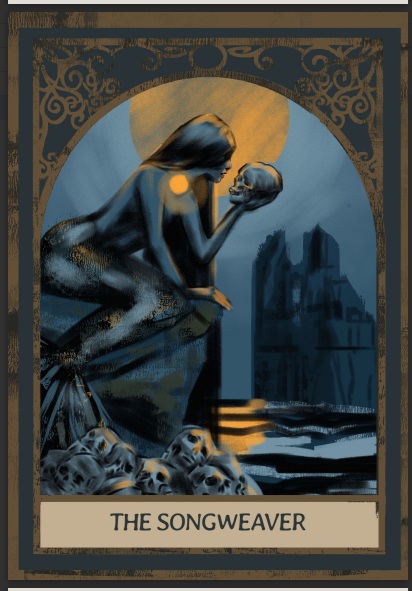 Image credit: Twisted Spire
Getting Under the Hood
GH: Was there ever thought given to limiting the number of questions that could be directed at an active storyteller, either for purposes of pacing the game or to limit what we called "word-fishing?" (Asking a succession of questions angling to get a Secret Word spoken).
Wingshan: If players are "word-fishing," they’ve misunderstood what the game is asking of them
4. Sirens’ Oath isn’t about guessing or strategising but about emotional storytelling. The questions exist to draw out meaning, not to score success.
We didn’t want to impose limits on that exchange because the conversation itself is the heart of the ritual. When played as intended with sincerity and imagination, the rhythm of dialogue naturally finds its balance.
Evie: Sirens’ Oath isn’t a game with a clear "winner" - it’s a collaborative exercise. It’s about inhabiting a character and sharing an experience with others. We definitely saw some of that "word-fishing" in playtests, but we felt that was actually a perfectly reasonable way of approaching difficult prompts. Though each of you have your own secret words, you have to find them together, and what we saw more or was someone asking questions of one player with no result, and then other questions of another, and then the whole group beginning to form a picture of what they were seeking together over time. This is especially pronounced in the last of the rites.
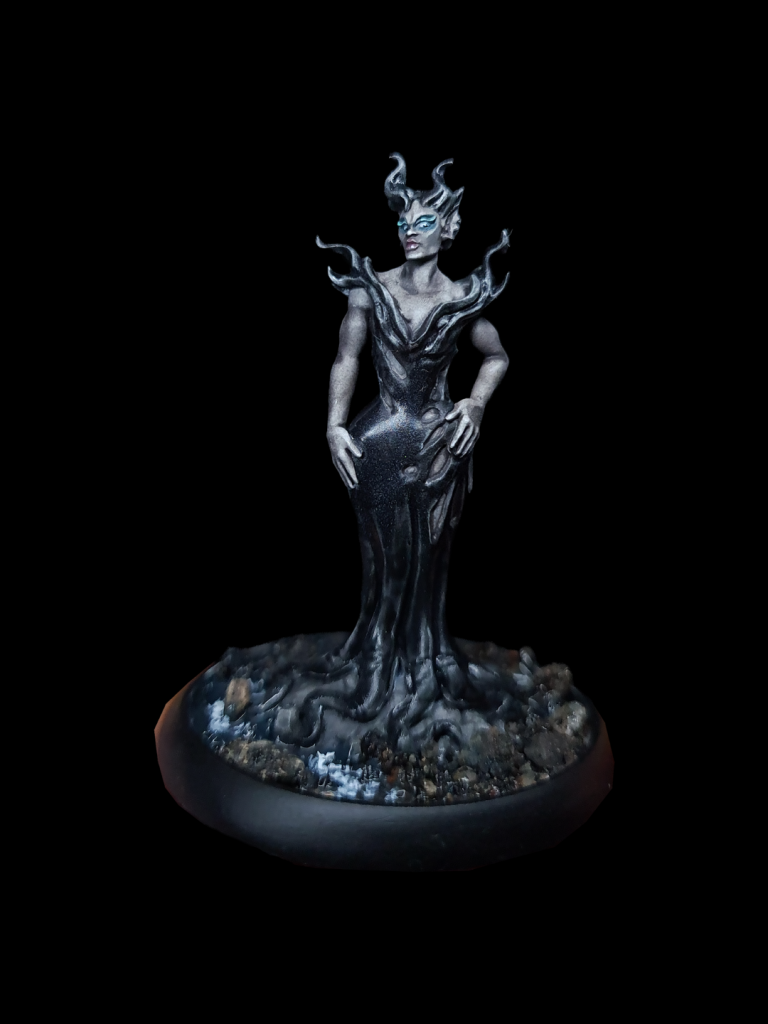 Kael, the Abysswalker. Image credit: Twisted Spire
GH: What was the biggest deign challenge in the game? How did you overcome it?
Wingshan:
Kael, the Abysswalker. Image credit: Twisted Spire
GH: What was the biggest deign challenge in the game? How did you overcome it?
Wingshan: The biggest challenge was finding the balance between structure and openness. I wanted to give players enough guidance to feel held within the ritual, without restricting their imagination. Too many rules would have broken the mood, but too little structure would leave people unsure how to begin.
In the playtesting phase, we listened closely to how different groups responded, then refined the pacing and the tone of the text to help players ease into the world. Once we found that flow, the emotional clarity of the game came through on its own.
Evie: As a game designer I sometimes say that writing lots of rules is easy, but making a game out of very few rules is much harder
5. Creating something so simple, so lightweight, but that does what you want it to do - that’s a real challenge. It’s something we fine tuned and refined as we tested, and it was hugely informed by that testing. No good game design ever happens in a vacuum - like all art, it’s a collective experience, directly or indirectly.
GH: What were some of the mechanical ideas that didn't make it into the final game? How did Siren's Oath evolve, mechanically?
Wingshan: One idea we explored early on was incorporating the Feelings Wheel designed by psychologist Dr. Gloria Willcox
6. It’s a visual tool that helps people identify and understand emotions by mapping them from core feelings to more nuanced states. I was drawn to it because
Sirens’ Oath is so much about emotional awareness and articulation about naming what sits beneath the surface. Although in some ways it did subtly influence the design of the gameboard.
Ultimately, we chose not to include it in order to keep the game as simple and accessible as possible. But it’s something I’d love to explore in future designs, perhaps as a mechanic that supports reflection and language around emotion in a more structured way.
GH: Tell me a little bit about the Secret Words mechanic. There's a fair spread of what I'd consider 'difficulty' with the words- some of them are fairly common, but others very challenging (I don't want to give any away by using examples). How did you approach balancing the five characters to ensure they each had a reasonably approximate challenge distribution?
Wingshan: The Secret Words aren’t meant to be challenging or balanced in the traditional sense. They’re there to guide tone, spark ideas and prompt the players to build on one another’s stories. Some words are simple and universal, while others feel strange or poetic. That variation creates texture and it keeps the storytelling unpredictable and alive.
It was never about creating an even spread of difficulty but about giving each Siren a different emotional vocabulary to work from. The Secret Words are supposed to be prompts not hurdles. They’re there help shape voice and atmosphere rather than test skill or luck.
Evie: We did at certain points simplify or alter the Secret Words to allow the game to flow better, but that was more the focus and challenge than anything else. Instead of balance of challenge, it was about balance of play - do these words have opportunities to blend together pleasingly, to play off of one another, to prompt emotional depths? Do they disrupt play, or enhance it?
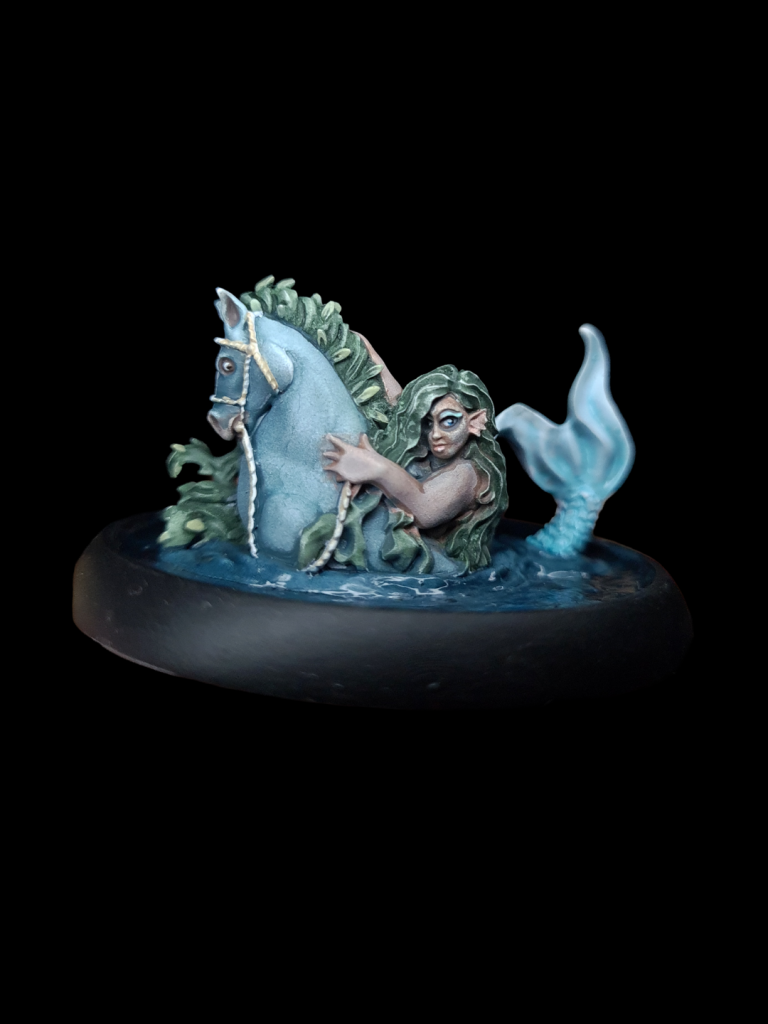 Selis, the Whisperer. Image credit: Twisted Spire
GH: How did you approach using the mechanics to deepen emotional engagement for the players? How did you position the mechanics to support the game's underlying aims?
Wingshan:
Selis, the Whisperer. Image credit: Twisted Spire
GH: How did you approach using the mechanics to deepen emotional engagement for the players? How did you position the mechanics to support the game's underlying aims?
Wingshan: The mechanics were always designed to serve emotion first. They give just enough structure to help players speak, listen and respond to each other with care. Every part of the design aims to create rhythm, trust and attention.
We wanted players to feel that the mechanics were holding the story gently in place, not directing it. They act as anchors for shared tone and atmosphere, encouraging players to build something meaningful together.
Evie: Spaces can have many different vibes, and gaming spaces are often, though not always, laced with competition in a way that can make them emotionally turbulent and disruptive. A core goal of the game was to find ways to diffuse this, and instead create ways to incentivise players to share and engage with each other. Sid Meier’s definition of a game was "a series of interesting decisions," and that’s often taken to mean intellectual decisions
7. But a series of interesting emotional decisions can also be a game, and it’s a kind of game that’s underserved in my view.
GH: What’s the smallest game rule that you feel has the biggest impact in the experience?
Wingshan: Capping the Third Rite at fifteen minutes completely changes the tone of the game
8. As the ritual nears its end, everything has been revealed and there’s so much left unsaid. The time limit builds urgency and emotion, pushing players to speak instinctively rather than overthink.
It creates that final swell of energy before the ritual closes, when tension and feeling rise together. The countdown makes every word matter.
GH: Discuss a little the change of mechanics in the Third Rite. The mechanically-minded at our table noted that the ability to move to the Cauldron in the Third Rite regardless of any previous success made the First and Second Rite feel less impactful on the outcome of the game. How do you respond to this sentiment, and was this a deliberate consideration (consciously prioritizing narrative participation over mechanical gameplay, perhaps)?
Wingshan: The Third Rite is not about who has succeeded or failed. It is about giving everyone a final chance to reach the Cauldron. By this stage, everything has been heard. We wanted to raise the stakes in this final rite. The earlier rites may feel melancholic or slower, but here the energy rises in a last surge before the ritual closes. Allowing this last act ensures that as many voices as possible are part of the ending.
Evie: The Third Rite is also about summation and feeling like the game has come together as a culmination of all of the experiences. If we were to exclude those who did not succeed, we would not be reflecting those experiences in that final rite, and they’re vital to what this game (or indeed any game!) is. We found the third rite to often be a joyous experience, a crashing laughing game of nods and encouragement and collaborative engagement, and that comes from all of the past of that play session being incorporated
9.
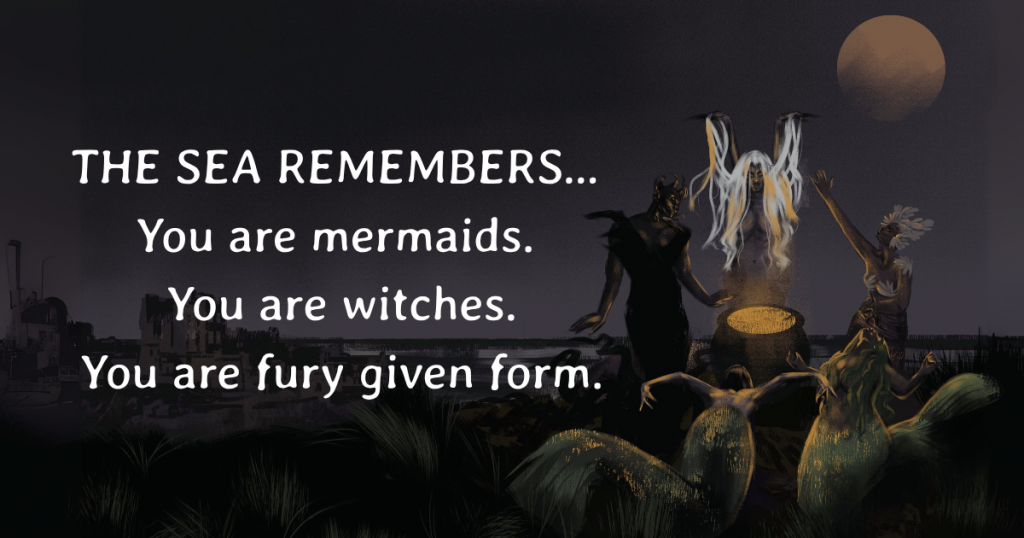 Image credit: Twisted Spire
Regarding the Whole
GH: Did the game start as a story and then develop mechanically, start as mechanics upon which you build the narrative framework, or something more organically in tandem?
Wingshan: The world and narrative came first. The structure of the game grew from a desired emotional rhythm. Once the story’s shape was clear, the mechanics followed as a way to hold it. Not to control it, but to give players a way to move through the experience together.
It all developed quite organically. The narrative and mechanics fed one another, refining tone and pace until it felt complete.
GH: What would you like players to be considering or feeling when they complete a session of Siren's Oath? What kinds of stories would you enjoy seeing players craft in the world of Siren's Oath?
Wingshan: I hope players leave the table feeling changed, even slightly. The game is about reflection as much as storytelling, so I want them to sit with the choices they made and what those choices revealed. Ideally they feel both powerful and humbled, aware of how their words shaped the ritual.
I love seeing players craft stories that hold tension between rage and compassion. Stories where destruction and hope exist side by side.
Evie: I hope they come away knowing themselves and each other a little better. I hope they feel a little exposed, pushed to express themselves, but also that this has opened things up for the group as a whole.
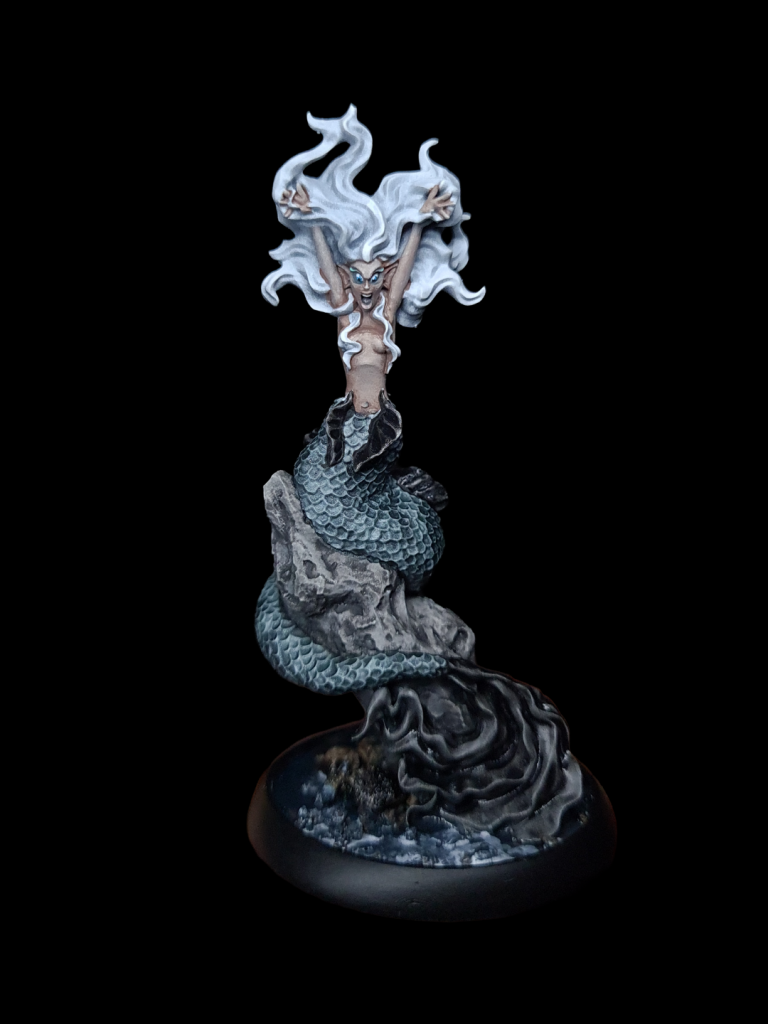 Leizi, the Stormforged. Image credit: Twisted Spire
GH: Is this a completed world, or do you see the world of Siren's Oath open to further exploration through future games or releases?
Wingshan:
Leizi, the Stormforged. Image credit: Twisted Spire
GH: Is this a completed world, or do you see the world of Siren's Oath open to further exploration through future games or releases?
Wingshan: I’m hoping the tide will rise again in some form soon. There is so more within me that I am itching to bring to the surface. For now, we’ll see how this crowdfunder goes. The response will shape what comes next.
GH: This is the first game for Twisted Spire, and as I write this the crowdfunding campaign hasn't gone live yet. But what have you learned from the process of bringing this from imagination to table that you'll be sure to apply to your next release (and the one after that?)
Wingshan: I’ve learned the importance of holding your vision steady, especially when you’re making something that doesn’t fit neatly into existing genres. There were moments of doubt and confusion from others, but the only way through was to trust the tone and intention of the work.
I’ve also learned how much care and collaboration matter. Building
Sirens’ Oath with Evie, Alex, and Kim
10 taught me the value of shared language and patience. Each person brought something sacred to the process.
Next time, I want to begin with that same clarity and trust and to keep making games that are emotional, strange and sincere, even if they defy expectation.
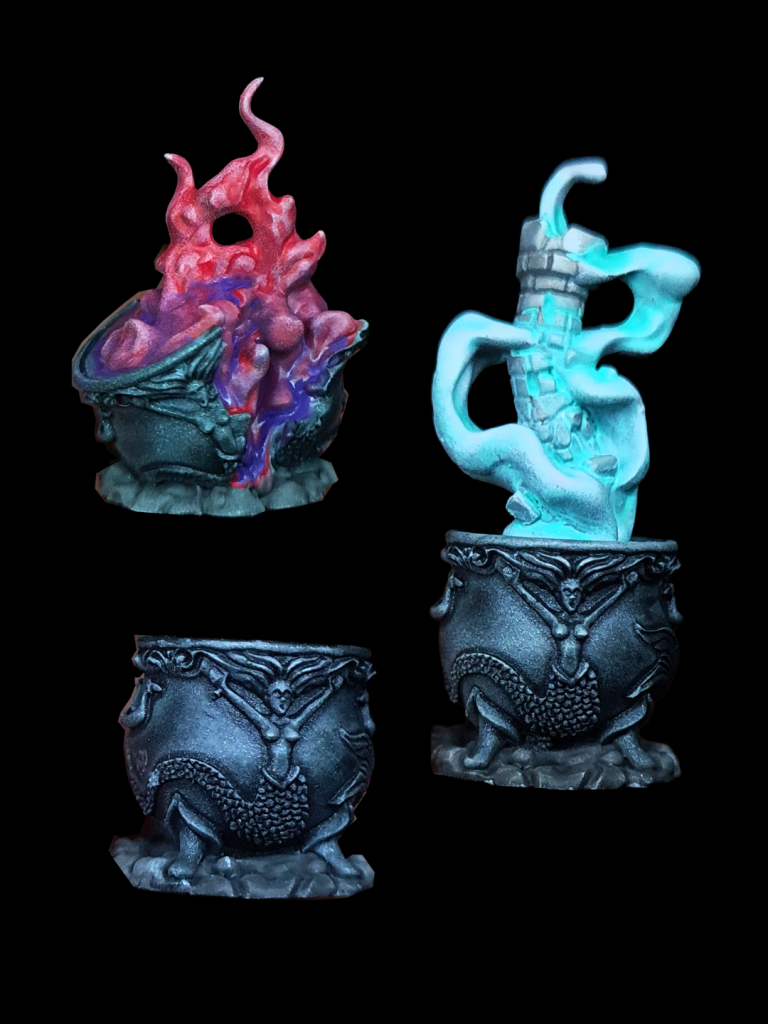 The fate of the City rests in one of these... Image credit: Twisted Spire
Siren's Oath: Tide's Turning hit its initial funding target within one hour of going live, and at time of writing has more than doubled it. Big congratulations to the Twisted Spire team for successfully bringing their vision to life, and thank you to both Wingshan and Evie sharing their insight and candor.
If you enjoyed this look into game design and would like to see more, please be sure to let us know!
Footnotes
- "Horror and The Monstrous-Feminine: An Imaginary Abjection by Barbara Creed first appeared in Screen in 1986. This pivotal article examines the representation of the monstrous-feminine in horror films through the lens of Julia Kristeva’s theory of abjection. Creed explores the way in which the horror genre constructs femininity as monstrous and abject, rooted in cultural and psychoanalytic anxieties about female sexuality, maternity, and the maternal body. She highlights the recurring themes of the “toothed vagina,” the “archaic mother,” and the maternal authority as sites of terror and fascination, intertwined with patriarchal fears of castration and engulfment." (Source)
- This is a terrific point, and in my review I touched on that feeling when I shared that, "...the emphasis on the storytelling and interaction was the real heart of Siren’s Oath far more than moving our pieces on the board. One player described her own murder so hauntingly that her teenage daughter (one of the other players) was just struck silent. We shared the quiet for awhile, then together resumed our game." While Siren's Oath can be as light as you'd like it to be, there are certainly opportunities to push yourself into more challenging narratives.
- I found this to be spot on. The members of our playtest group had varying level of role-play experiences and preferences, from the usual die-rolling dungeon-delver up through the passionate LARPer. The game rules make a point to suggest that some players might appreciate some preparation time before the game session to get comfortable speaking as their character.
- Firm but fair. During our playtest one of the players did a bit of "word-fishing," and it's probably not a coincidence that it was the player least comfortable with a more freeform narrative game. It wasn't enough to hinder the group, but by focusing on the 'game' aspect it pushed back on the immersion for some of the others.
- This evokes one of the primary axioms of Magic: the Gathering's Head Designer, Mark Rosewater. Ryan Saxe, writing for Star City Games, did a nice dive into the expression.
- I'd never heard of this before, but it's cool as heck. Kenneth Smith has attempted to update the concept into a more applied setting in a book, but his site has a nice overview of Dr. Willcox's work.
- Sid Meier was the creator of the Civilization video game franchise, which most certainly was (and generally remains) a 'series of interesting decisions.'
- And how! From the review: "We also particularly enjoyed the way the game’s final third was structured. After two rounds of around-the-table storytelling, the pressure of a fifteen-minute timer and free-for-all environment really opened things up. It was every bit as lively as one imagines a Thanksgiving-dinner family argument about politics can be- but without the personal animosity and exasperation. For the players... the back-and-forth produced some of the most fun we had..."
- These were good answers from Wingshan and Evie, but I still find myself feeling that this renders the reward actions of the first two rounds (moving your character icon one ring closer to the center if you managed to get one of your Secret Words spoken by another player) devoid of mechanical purpose. That's not entirely problematic as the game's focus is on the narrative, but I also can't tell you how long I spent reading and rereading the rulebook trying to see if I was perhaps just missing something.
- While our conversation today was with the worldbuilding and game design leads, it would be criminal not to highlight the game's artistic visionaries as well. The 'Alex' here is Alex Huntley of Warp Miniatures, sculptor for the miniatures that lend the game its tactile presence. 'Kim' is Kim Thompson, artist, muralist, and 'retro enthusiast' whose lush visuals have been a part of LucasArts, Vanity Fair, and Columbia Records.
Have any questions or feedback? Drop us a note in the comments below or email us at contact@goonhammer.com. Want articles like this linked in your inbox every Monday morning? Sign up for our newsletter. And don't forget that you can support us on Patreon for backer rewards like early video content, Administratum access, an ad-free experience on our website and more.
Thank you for being a friend.
 This website uses cookies. Learn more.


 Infinity N5 First Principles: Understanding the Outcomes of Face to Face Rolls
 Tactical Feedback: Timing the Go-Turn
 SRM's Roundabout to Adepticon 2026: Curd Is the Word