 This website uses cookies. Learn more.
This website uses cookies. Learn more.
This website uses cookies. Learn more.

What should be a pleasant summer evening is interrupted by a series of ominous flashes in the night sky - the sure sign of a fleet dropping out of FTL at combat speed. Massive, spinal-mounted laser cannons roar to life, reaching out across the void to tear open armored hulls from miles away, followed by the rhythmic pulsing of mass drivers pounding away in intricately-calculated volleys thrown at near-relativistic speeds. Amidst the carnage, smaller craft dive into the atmosphere, their heat-resistant plating glowing white as they desperately try to avoid incoming anti-air fire long enough to disgorge their cargo of dropships to take control of the cities below. And all the while, the opposing fleets draw closer, splitting their attention between jockeying for position in orbit and clearing a path for their drop assets to take control of the critical infrastructure they'll need to win the day.
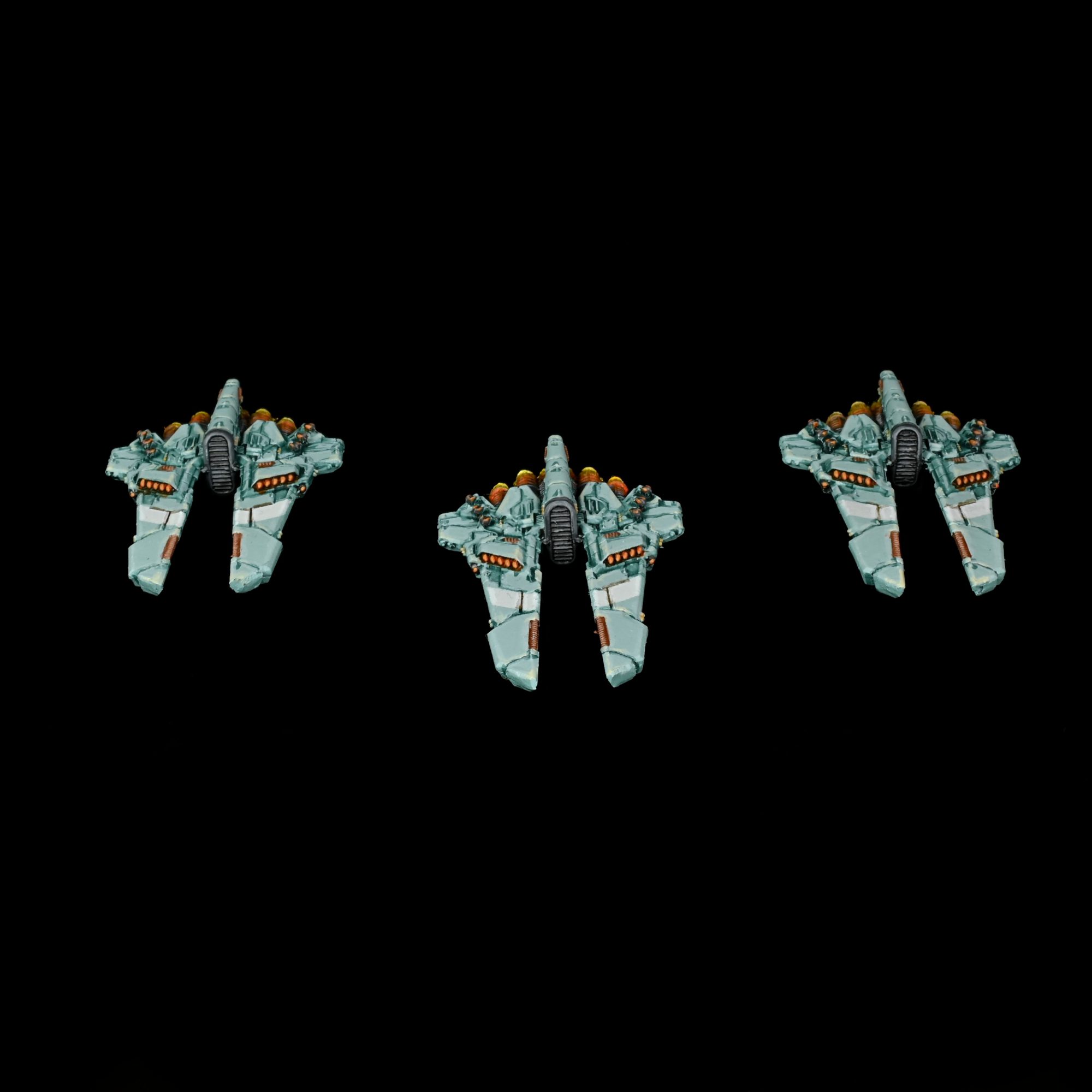
If this sounds like the sort of game you'd like to play, you're in luck - TTCombat's Dropfleet Commander provides an excellent vehicle to tell stories like this with a slick and easy-to-learn ruleset that maintains a remarkable amount of tactical depth.
Dropfleet Commander is a sci-fi fleet game set in a universe where humanity is on the brink of extinction. Earth has been conquered by the alien Scourge, and the surviving humans have either gone into hiding or fled to the outskirts of the galaxy to regroup and rearm in an effort to take back their home. In the midst of this conflict, a splinter of humanity calling themselves the Post-Human Republic has joined the fray, though their interests don’t necessarily align with the rest of humanity’s. And to make things just a bit more complicated, the Shaltari, another alien race whose motivations are completely inscrutable, are doing their thing as well.
In game terms, you’ll command a decent-sized fleet of ships in a battle set in orbit around one of the many worlds in conflict in the setting. Unlike many fleet games, Dropfleet is centered around objective-based play from the outset, and you’ll need to bring troop landers and dropships to deliver ground assets to the various terrestrial and spaceborne facilities you’ll be fighting over during a game.
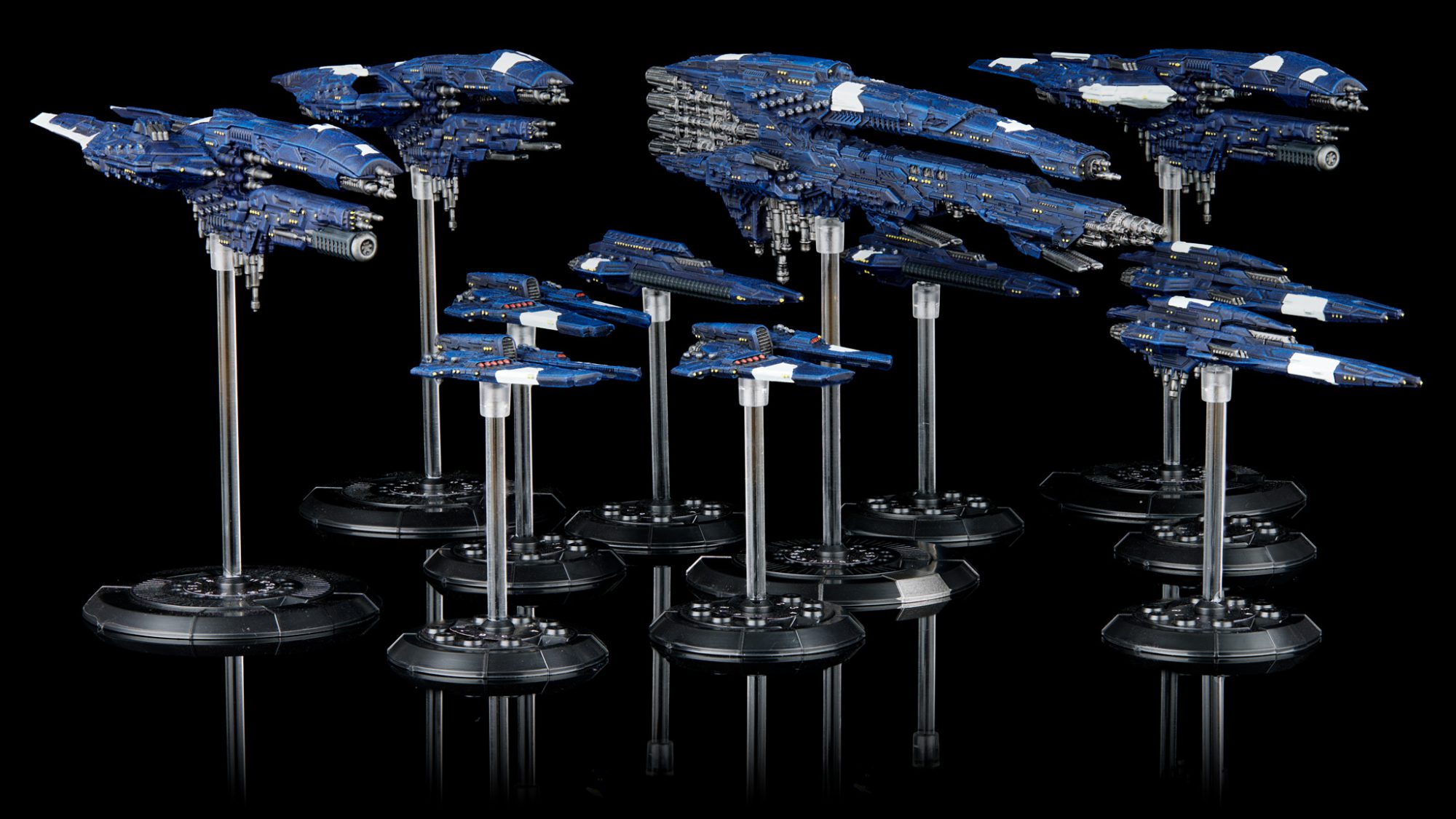
Well, fortunately, you were wrong. It's changed ownership since the original release, having moved from Hawk Wargames to TTCombat, who have done an amazing job in keeping up support for the game and offer a wide variety of ships and accessories on their website. They've kept up production of hard plastic kits for the cruisers and frigates, with resin options for just about everything else.
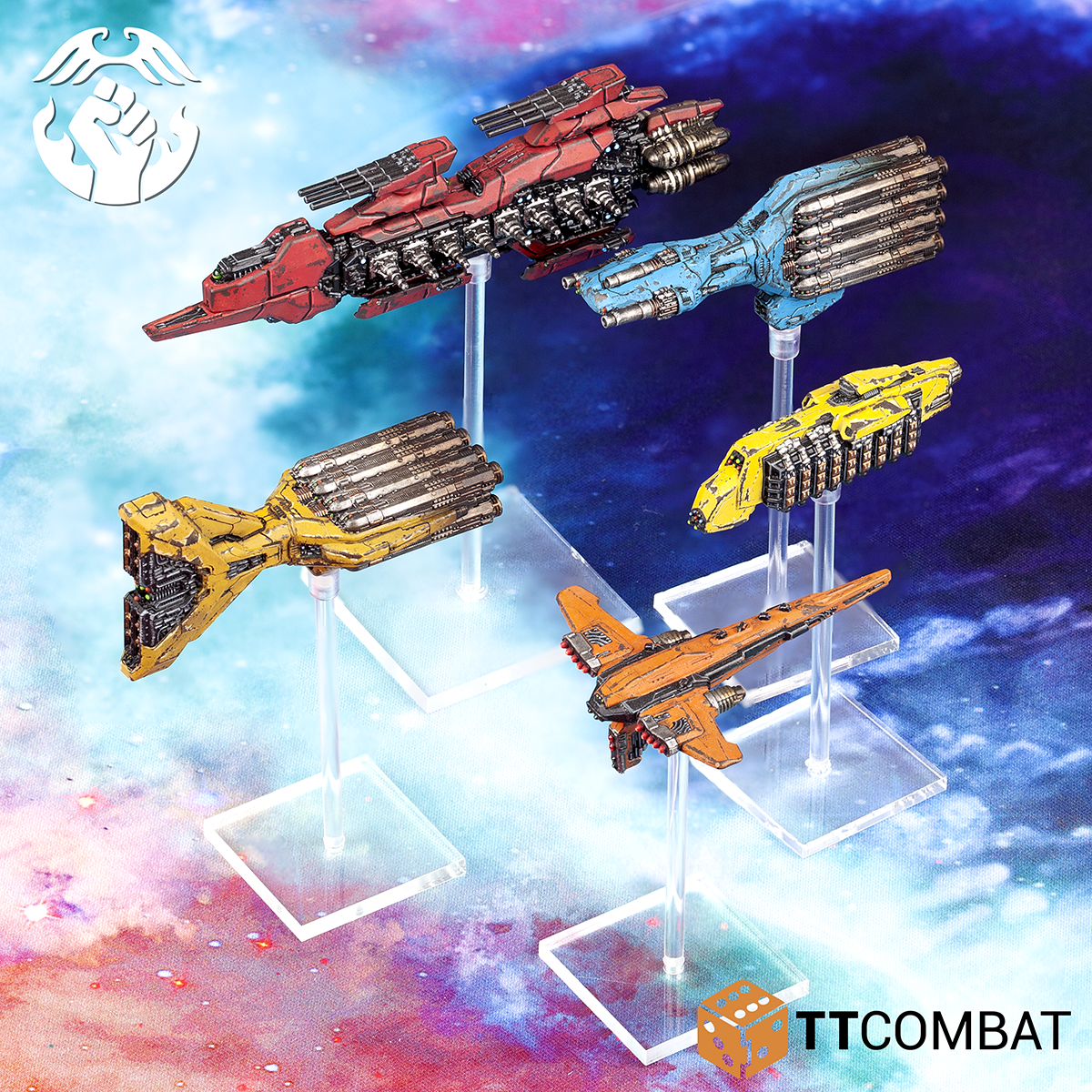
They're not just keeping the existing game in print, though - within the past month, they've released a whole new class of ships with two loadouts per faction, and have even taken a balance pass through the various rosters to rein in some of the more remarkably powerful options. All told, they're taking a serious swing at keeping this game supported for the existing fanbase, and have pulled together some incredible resources to help new players jump in and hit the ground running.
Getting into Dropfleet is pretty easy as miniatures games go. Before your first game, you’ll need to pull together the following:
Which fleet should I play?
There are five different factions in Dropfleet Commander, each of which lends itself to a style of gameplay as unique and diverse as their models’ aesthetic. While the number one rule of choosing your first army - paint what you think looks cool, because while rules are ephemeral, plastic is eternal - applies here as well as in any game, it can be helpful to get a sense for how the various factions play on the tabletop before your first game. We’ll be going into these in more depth in future articles, but for now we’ve got the Greatest Hits of each faction.
The UCM are the human refugees who fled to the outskirts of the galaxy and devoted their time, effort, and resources towards the Reconquest, a grand plan to take back from the alien Scourge what rightfully belongs to humanity. These ships are purpose built for lightning-fast offensive actions, dropping in from deep space and moving to make planetfall at key strategic locations while supported by a broad array of powerful weaponry.
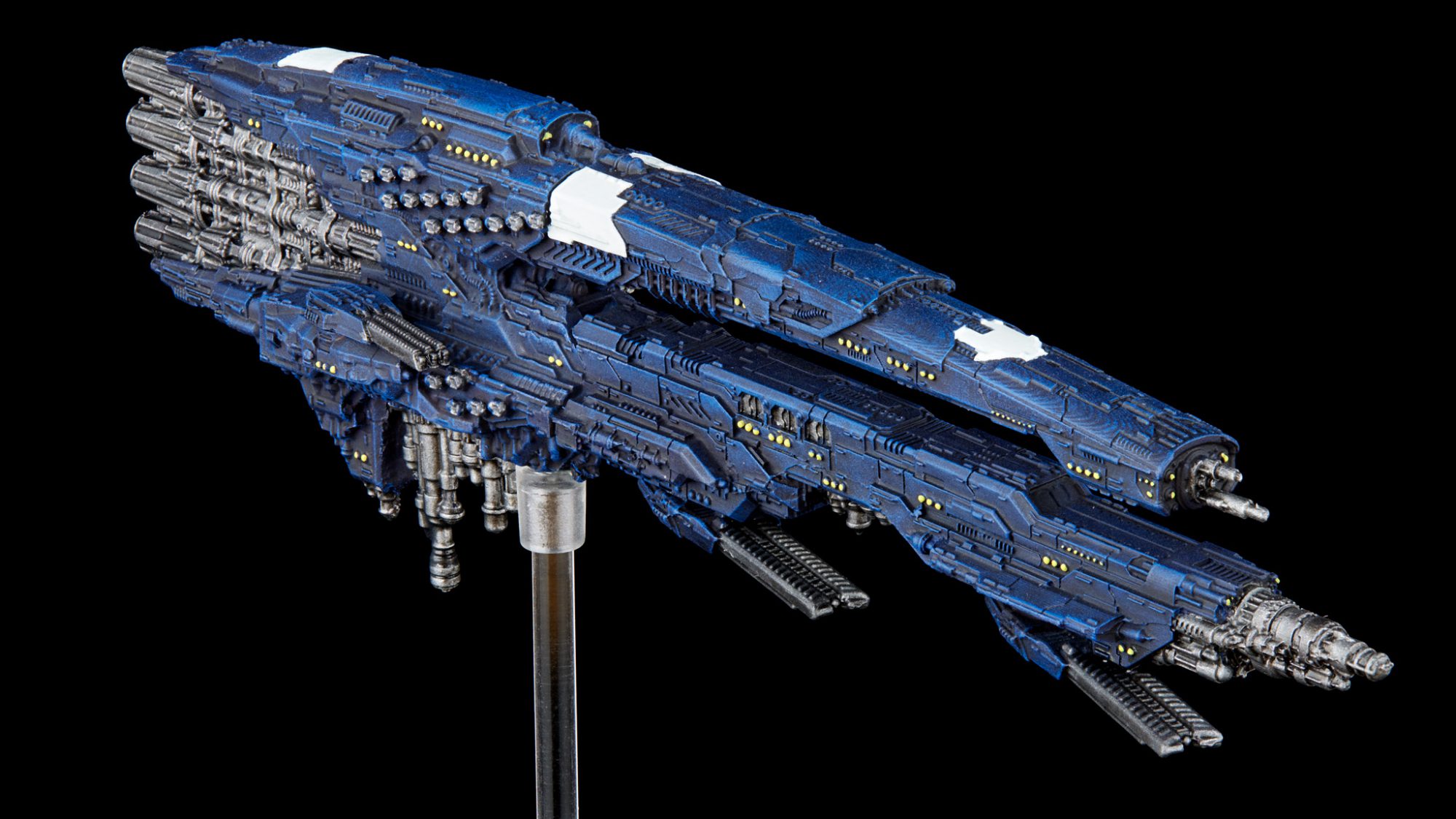
Visually, UCM ships have a more “hard sci-fi” aesthetic than many games in this space, sporting lots of antennae and festooned with turrets, point-defense emplacements, and visible weaponry. Gameplay-wise, the UCM has a broad variety of useful tricks mounted on reasonably tough ships. They tend to have fairly forgiving firing arcs that allow them to bring most of their guns to bear in nearly any situation, even if they won’t be able to put out as many shots as another faction in their element.
The UCM fleet lends itself to a tactically interesting, if unforgiving, combat doctrine, which focuses on taking out key targets in early turns, then mopping up the remainder once you’ve gotten in close. The flipside of this is that they're not very forgiving of mistakes: if you're not able to seize control of the pace of the game early, you're going to have trouble catching up to the more specialized fleets of the other factions.
The Scourge are a race of alien invaders who have conquered nearly all of humanity’s prior holdings, including Earth itself. They’re not even content with just taking worlds, either: the Scourge entities are parasites who burrow into and take over other living beings, something that has created no small amount of consternation among humanity.
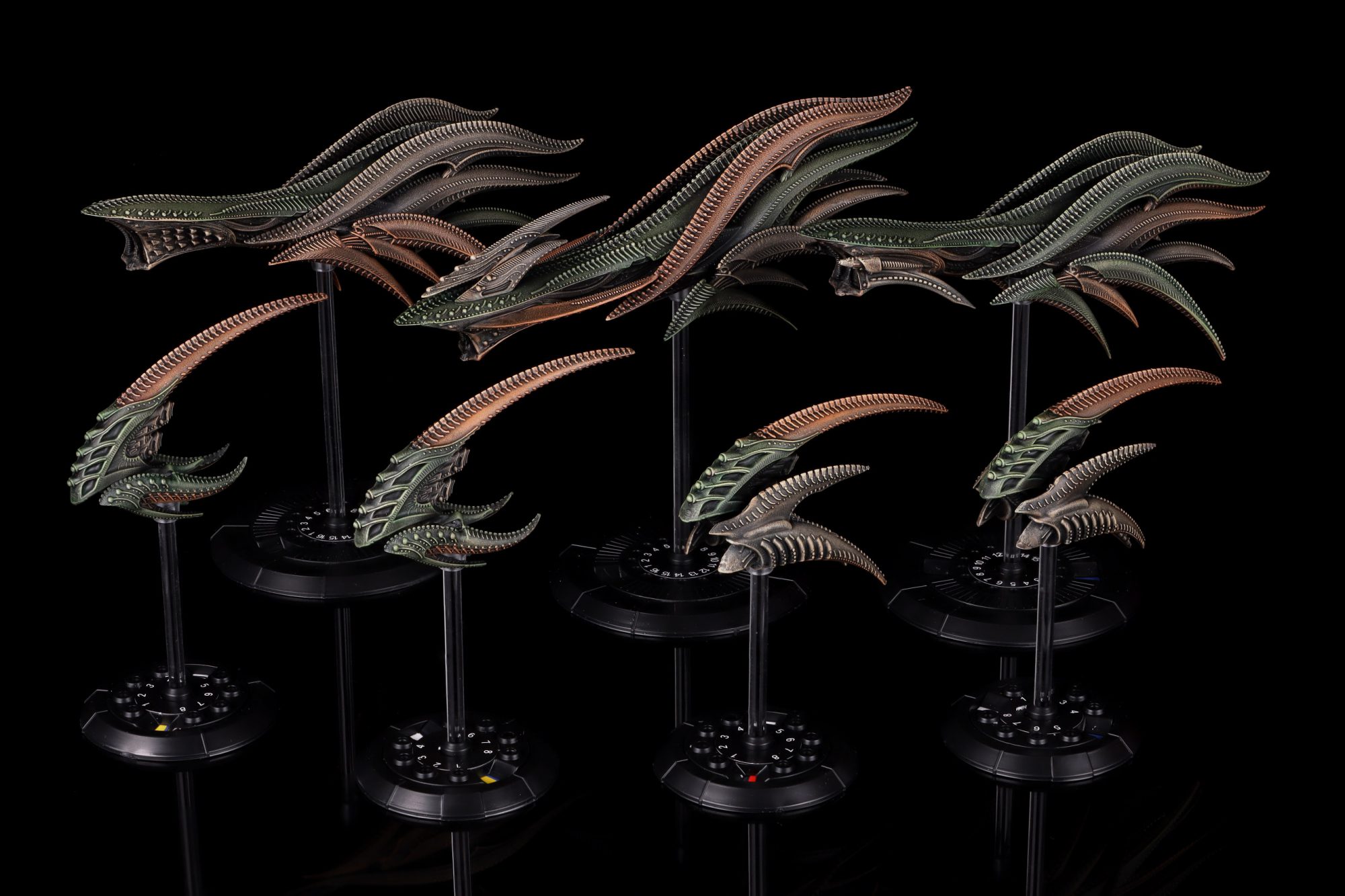
Scourge ships are organic-looking, with lots of curves and tendrils and swooping bits hanging off of them, emphasizing the truly alien nature of this interstellar threat. Their weapons focus on attacking at close range, featuring a lot of guns with the Scald rule, which makes enemy armor less effective the closer you are.
If you want to get aggressive and fly right up next to the enemy’s ships before hosing them down with some kind of weird alien goo that melts clean through their armor, you could do worse than the Scourge.
Prior to the Scourge invasion, an alien being appeared before humanity, warning them of the incoming threat and offering safe haven to anyone willing to leave their homes and travel with it. Most of humanity declined, but those who travelled have come back as the Post-Human Republic. The sleek styling of their ships’ armor belies incredible toughness and some of the most potent weaponry you’ll find in the game.
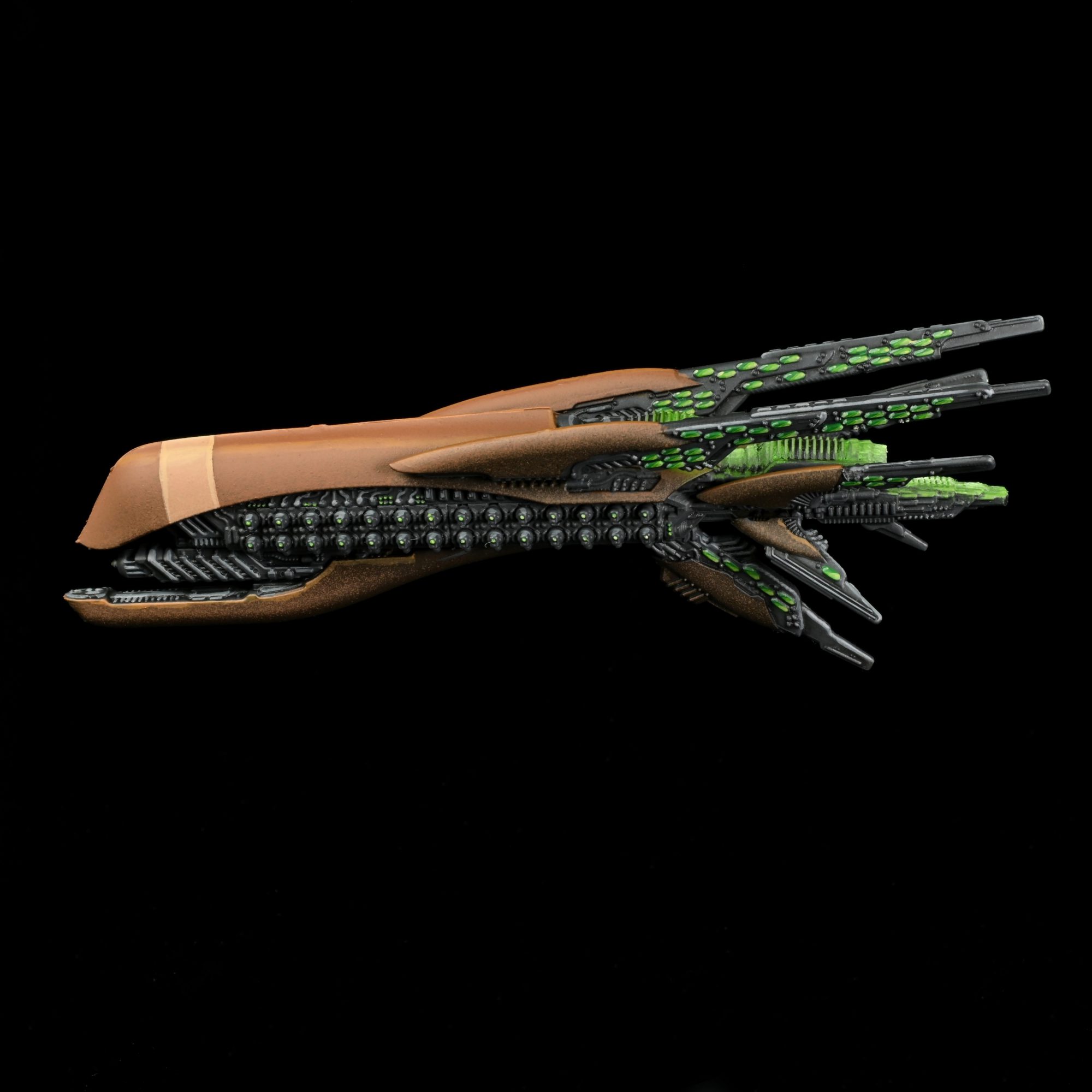
The PHR have a very futuristic look, with lots of large armor panels, sleek lines, and styling that looks vaguely human, if it was viewed through a funhouse lens made by a millennia-old alien intelligence. Their ships are tough as nails and mount weapons that throw out ludicrous numbers of dice, but tend to have most (or all) of those weapons mounted so they can only fire into broadsides.
As a result, the PHR wind up wanting to brawl at close- to mid-range where they can potentially fire out of both sides of their ships into different targets. And while they’re in there, their excellent bombers will make short work of any craft that doesn’t have enough point defense to fend them off. PHR vessels are generally more than a match for other factions’ ships of equivalent tonnage, so long as they’re able to bring their weapons to bear.
The Shaltari are an ancient alien civilization with phenomenally advanced technology who are definitely up to something - though what exactly their goals might be is more or less a mystery to the other factions. They’re immortal (or might as well be), and mount weapons and defensive systems on their craft that no other faction can hope to match.
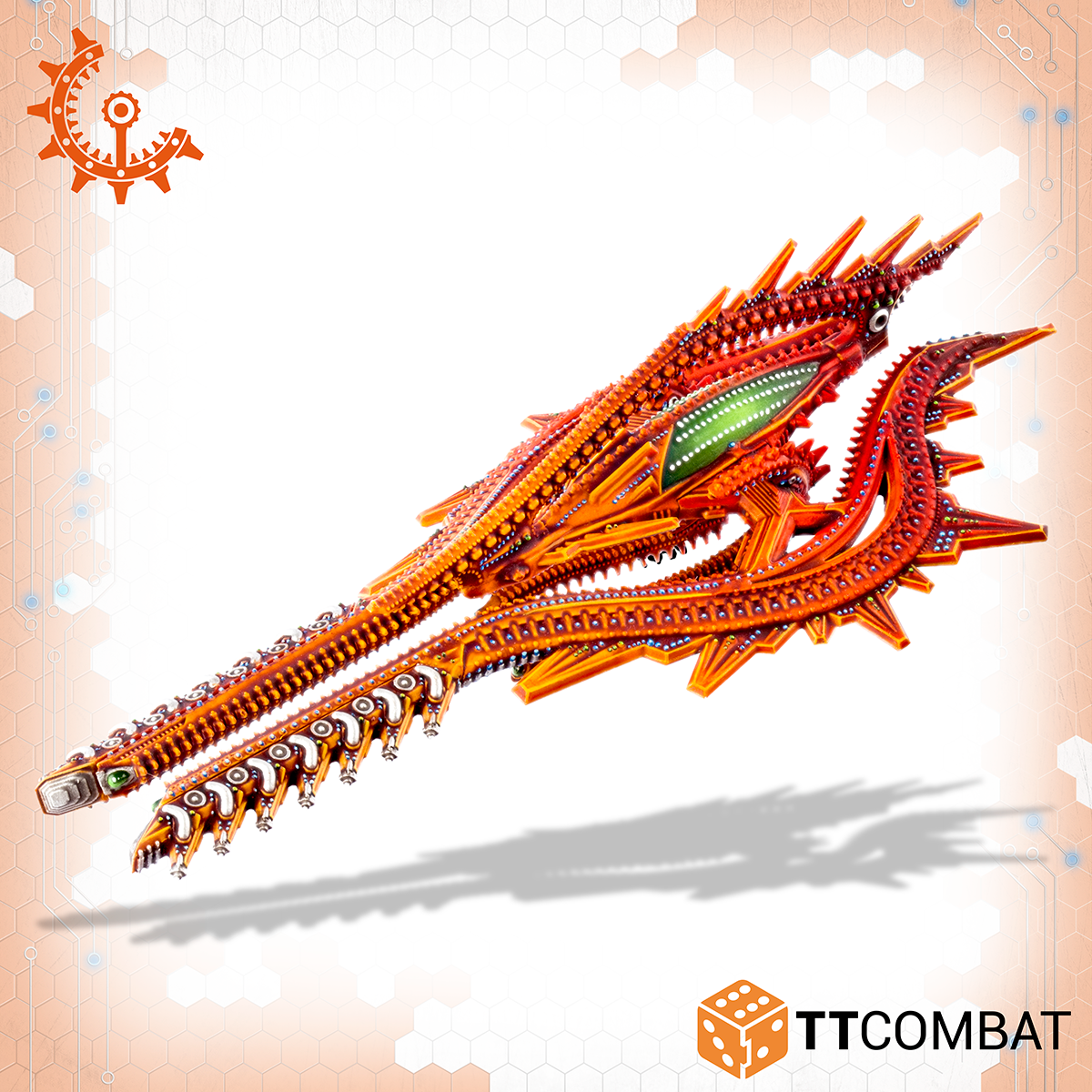
Their ships are definitely unusual, and visually won’t appeal to everyone. Those who like them, though, will find a nice variety of soft curves interrupted by large weapons and other systems protruding aggressively from within. On the table, they leverage their impressive technology to fire from ranges other factions can’t compete with, with most of their fleet sporting Scan ranges in excess of 14”.
Fortunately for their opponents, their ships are held together with tissue paper and prayer, though they do tend to have lower signatures. Unfortunately for their opponents, when enemies get too close, they can activate shields, massively increasing their ships’ Signature values in exchange for a 4+ Passive Countermeasures save - the DFC equivalent of an invulnerable save in 40k. Add to this the fact that they don’t use dropships, instead opting to teleport their ground troops into position, and you’ve got a force that can be incredibly frustrating to play against, so long as it doesn’t completely fold first.
The UCM aren’t the only human faction in play here - a few of the humans who weren’t able to escape the Core Worlds when the Scourge invaded have managed to survive, and have mounted a desperate defense using whatever they can get their hands on.
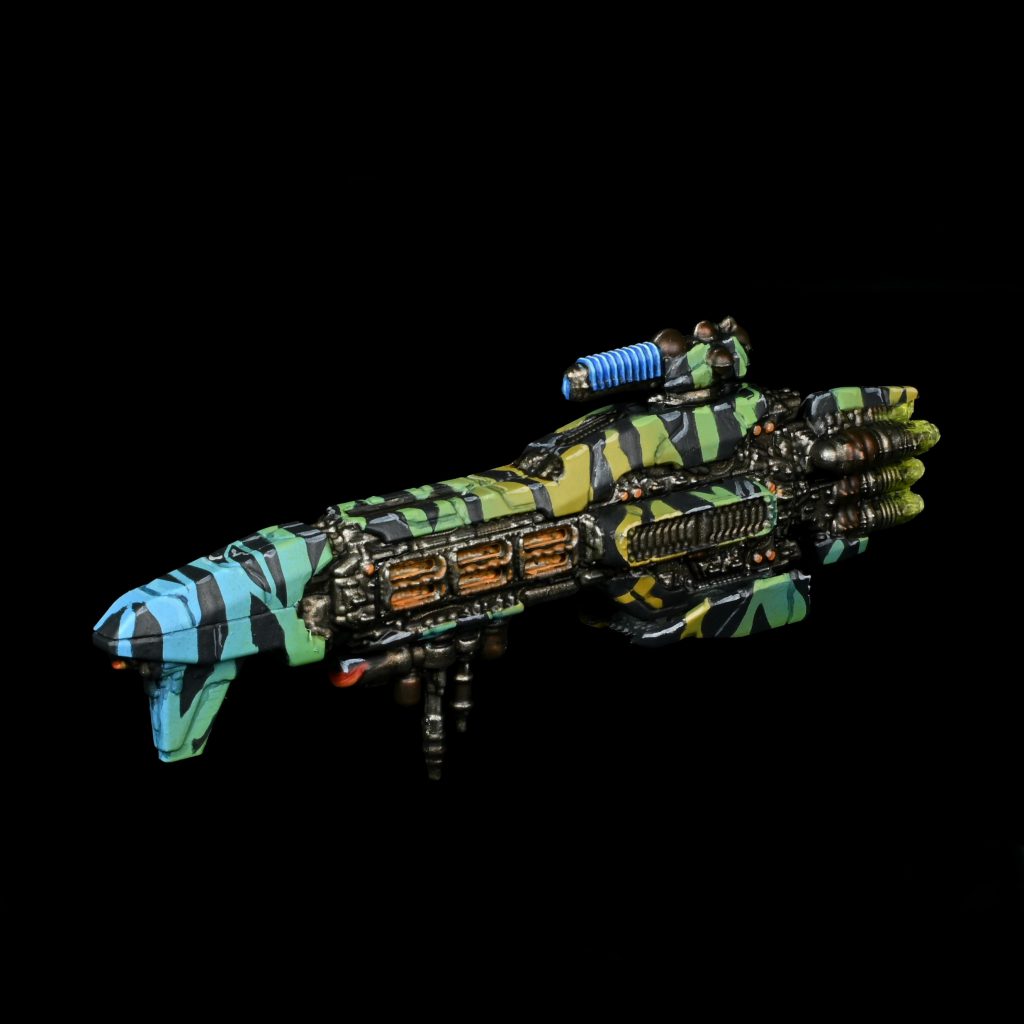
Visually, Resistance ships are a mixed bag, and the kits are extremely flexible in how they can be built. Each model in the basic Cruiser and Destroyer starter set can be built in hundreds of different configurations, and the larger ships come with even more options to choose from. The kits lend themselves handily to whatever theme you want your fleet to have, from a scrappy resistance fleet pulled together from the system defense fleets of a particular planet, to the rag-tag survivors of the Vega Scrapfleets, to the sleek and hyper-advanced battlefleets fielded by the Kalium Cabal.
From a rules perspective, Resistance fleets consist of a set of core units that can be outfitted however you like with a system of modular hardpoints backed up by specialist ships with fixed loadouts that bring some of the weirdest weapons in the game to bear - think virus-filled torpedos and cannons that run so hot that they can literally melt the armor off of the ship they're mounted on. The sheer number of options here can be overwhelming to try to get your head around, but also present a number of strategic options that other factions have difficulty replicating.
Dropfleet is focused around trying to take and hold key locations on a planet’s surface (sectors in clusters), as well as any major orbital structures (space stations and moons). You and your opponent will be bringing your fleets on screaming out of the void to try and drop down to lower orbits and launch ground forces into the right places, while fighting for dominance in the space above.
If you want to seize victory, then here are the key things to remember:
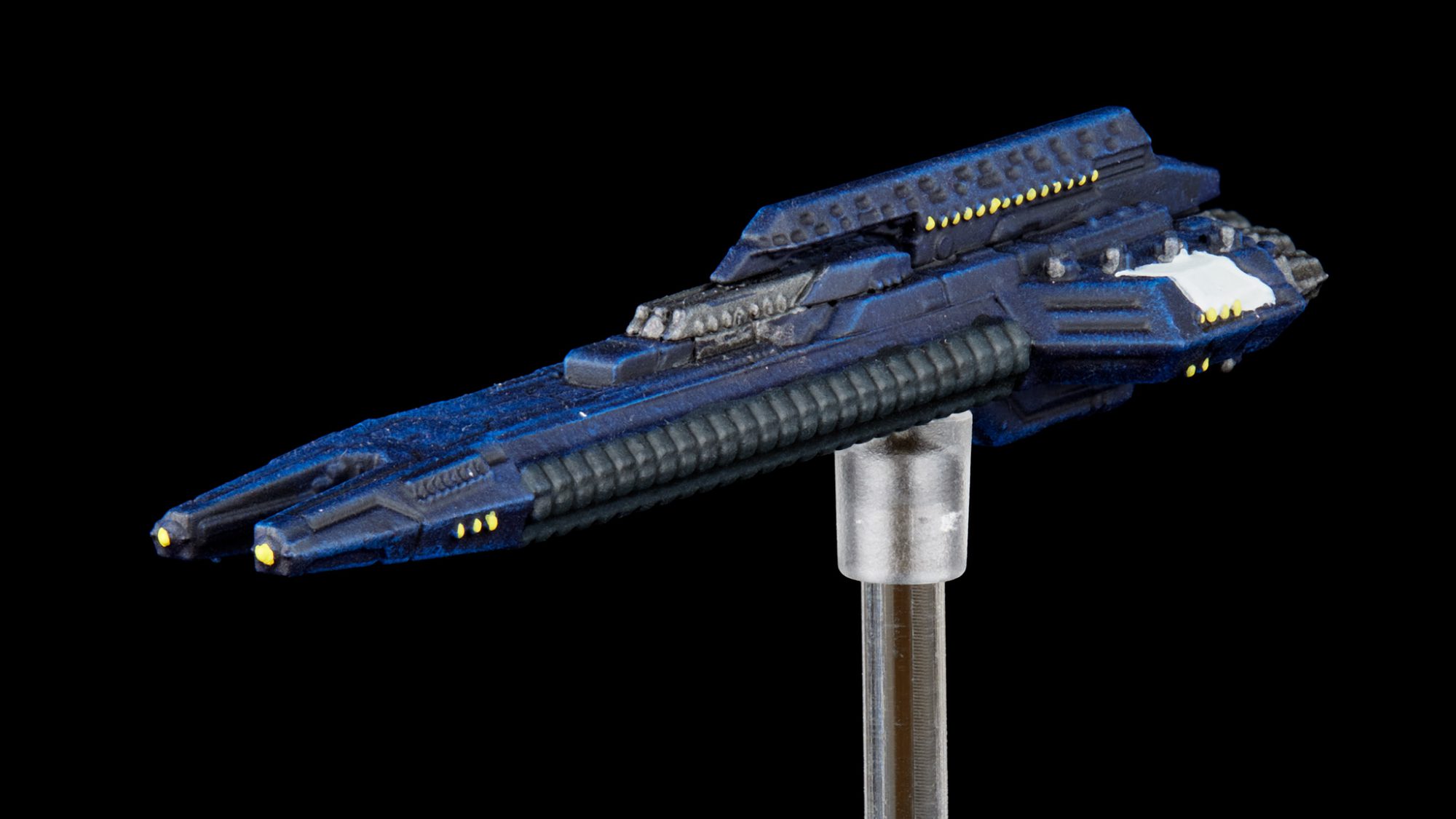
In future articles, we’ll be taking a look not only at how to play the game, but some of the best ways to get into it. We'll be looking at not only how to play and paint the various factions, but diving into how to build your lists and what various the various ships and their loadouts can do.
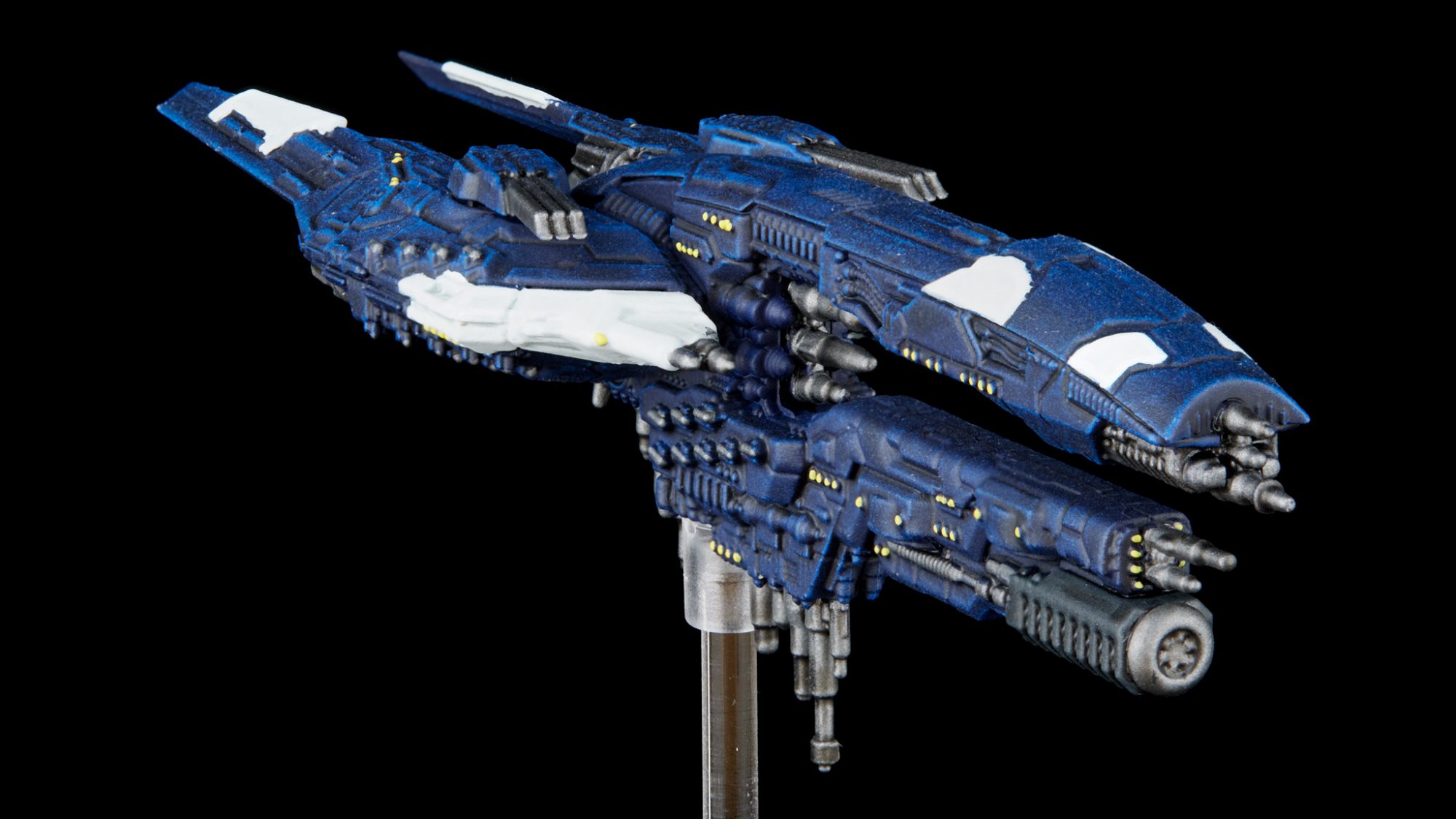
We'll be taking up an alternating slot with Warlord Wednesdays here, so check back every two weeks for our latest article. We'll start two weeks from now with a review of the 2-player starter set, and a quick battle report showing the sort of game you can expect to see with that set.
Tags: dropfleet commander

Thank you for being a friend.
 Infinity N5 First Principles: Understanding the Outcomes of Face to Face Rolls
 Tactical Feedback: Timing the Go-Turn
 SRM's Roundabout to Adepticon 2026: Curd Is the Word
Support us on Patreon to get access to our Discord and exclusive App features.
Thank you for being a friend.
Already a Patron? Login with Patreon.
Visit our incredibly official store on RedBubble.
Support us on Patreon to get access to our Discord and exclusive App features.
Thank you for being a friend.